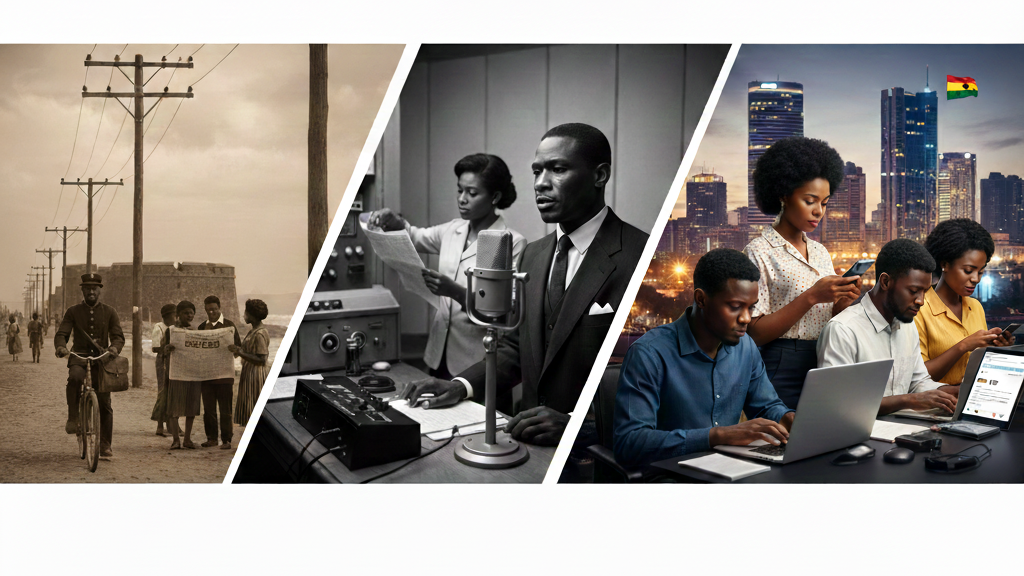








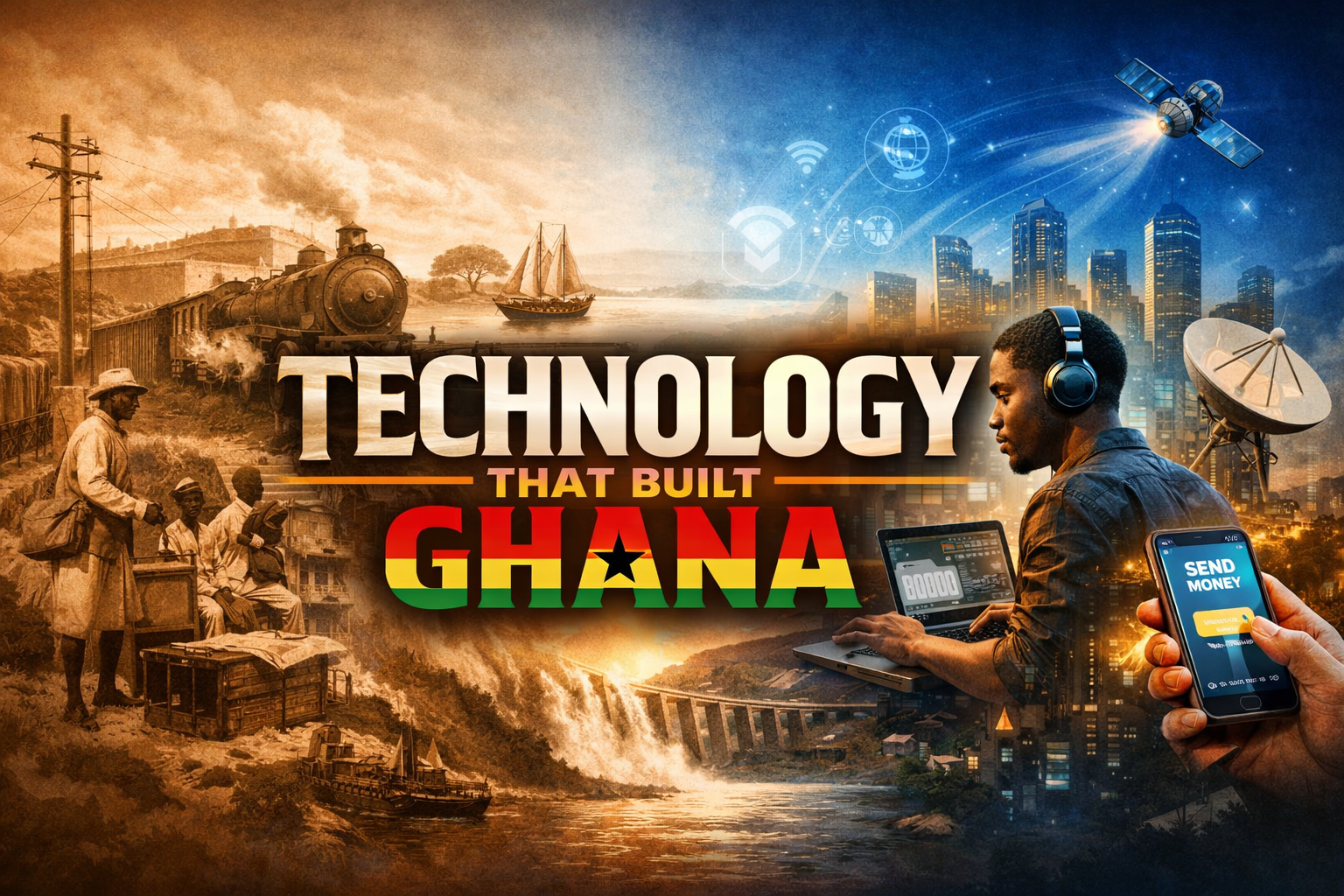
Few modern technologies have transformed Ghana as deeply and as quickly as financial technology (fintech). What began as simple mobile phone services has grown into a digital financial ecosystem that reshaped banking, trade, and daily survival for millions of Ghanaians.
Before Fintech: A Cash-Heavy Economy (Pre-2000s)
For decades after independence, Ghana’s financial system revolved around traditional banks concentrated in urban centers. Rural communities relied heavily on cash, informal savings, and rotating credit systems (susu).
By the late 1990s, less than 30% of adults had access to formal banking, limiting economic inclusion and business growth.
Mobile Phones Set the Stage (1996–2008)
The introduction of mobile telephony in 1996 laid the foundation for digital finance. As phone ownership expanded in the early 2000s, telecom companies began exploring mobile-based services beyond voice calls.
The real breakthrough came with improved internet connectivity after 2008, following the landing of submarine cables.
Mobile Money Breakthrough (2009–2015)
In 2009, mobile money services were introduced in Ghana, allowing users to:
- send and receive money,
- pay bills,
- store value digitally.
The Bank of Ghana’s regulatory support and interoperability framework later accelerated adoption. By the mid-2010s, mobile money had reached traders, drivers, farmers, and market women—groups long excluded from formal banking.
Fintech Boom and Financial Inclusion (2016–Present)
Fintech startups and banks embraced digital innovation, offering:
- mobile banking apps,
- digital loans,
- QR payments,
- online remittances.
Key milestones:
- 2018 – Mobile Money Interoperability launched
- Rapid growth in mobile money accounts, surpassing traditional bank accounts
Today, Ghana is recognized as a fintech leader in West Africa, with digital payments driving commerce and tax collection.
Deep National Impact
Fintech has:
- expanded financial inclusion nationwide,
- empowered small businesses and informal traders,
- reduced cash-handling risks,
- increased government revenue transparency,
- positioned Ghana as a regional digital-finance hub.
What banks struggled to achieve in decades, fintech delivered in years.
Looking Ahead
As Ghana moves toward digital currencies, AI-driven finance, and cross-border payments, fintech remains a central pillar of economic modernization.
The fintech story proves that technology—when accessible and regulated wisely—can change lives at scale.
Key Fintech Milestones
- 1996 – Mobile telephony introduced
- 2009 – Mobile money launched
- 2018 – Mobile Money Interoperability
- 2020s – Fintech becomes core to Ghana’s economy
Sources & References
- Bank of Ghana – Payment Systems and Fintech Reports
- World Bank – Digital Financial Services in Ghana
- National Communications Authority (NCA)
- GSMA Mobile Money Reports
- IMF Country Reports on Ghana
Watch the full video on YouTube – https://youtu.be/Z8d8TnEjscs