


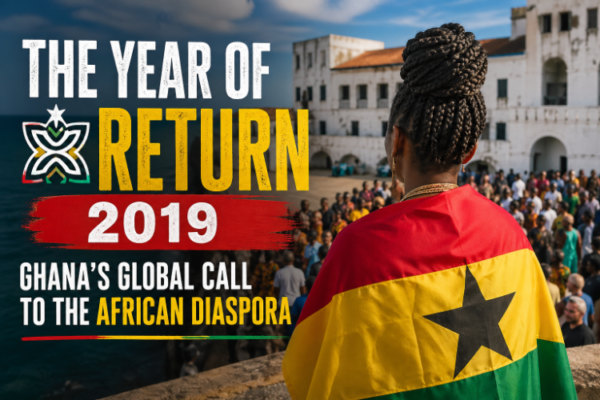
The Year of Return 2019: Ghana’s Global Call to the African Diaspora

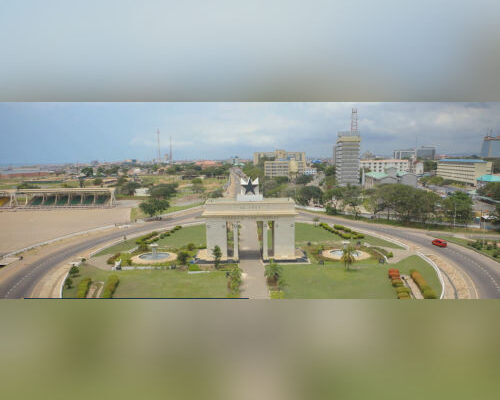
In 2019, Ghana made a bold and historic statement to the world. Through an initiative known as the Year of Return 2019, the country invited people of African descent across the globe to reconnect with their roots, history, and identity. This was not just a tourism campaign. It was a deeply symbolic and emotional movement—one…

Read More

How the Akosombo Dam Changed Ghana’s Economy and Energy Future

Few infrastructure projects in the history of Ghana have had as profound an impact as the construction of the Akosombo Dam. Built in the early years of Ghana’s independence, the project symbolized the ambitious development vision of the country’s first president, Kwame Nkrumah, who believed that industrialization was essential for true economic independence. The dam…

Read More

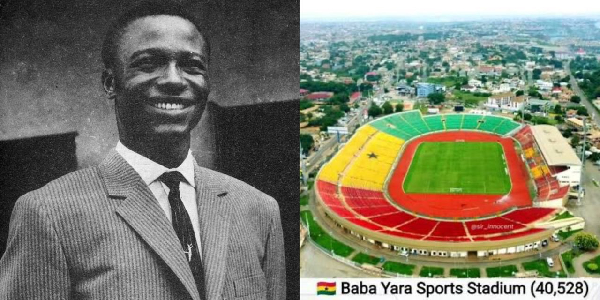
Baba Yara: Ghana’s Legendary “King of Wingers” Whose Name Lives On

Few names in Ghanaian football command as much reverence as Baba Yara. Gifted, charismatic, and electrifying on the field, Baba Yara remains one of the greatest footballers Ghana has ever produced. Though his career was tragically cut short, his brilliance and influence left an enduring mark on the history of Ghanaian football. Early Life and…

Read More

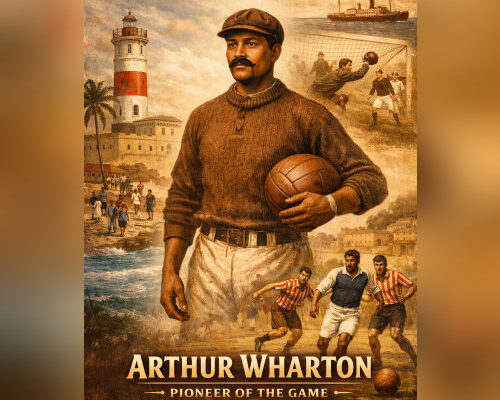
From Jamestown to the World: The Ghanaian Roots of the First Black Football Pioneer

When people discuss the early history of football, the narrative often begins in Britain and gradually expands to the rest of the world. Rarely, however, does the conversation turn toward West Africa—particularly the historic Gold Coast, present-day Ghana. Yet one of the most remarkable pioneers of the sport, widely regarded as the first Black professional…

Read More

Public Expectations in the First Days of Independence

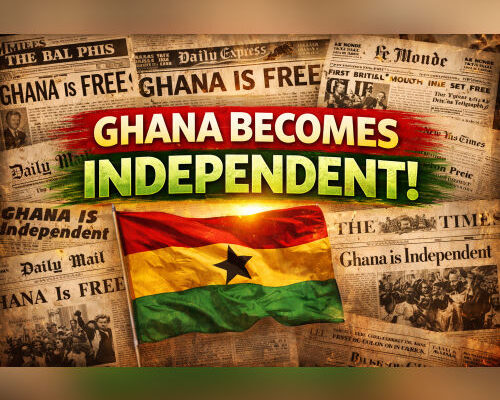
When the Gold Coast achieved independence on March 6, 1957, becoming Ghana, the event generated immense public excitement and hope. For millions of Ghanaians, independence was not merely a constitutional change—it represented the promise of economic prosperity, political empowerment, social transformation, and a new national identity. Newspapers, political speeches, and public celebrations of the time…

Read More

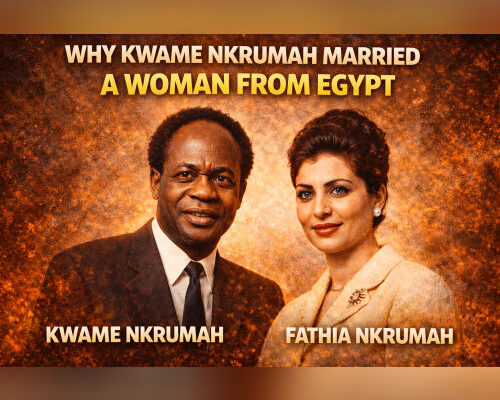
Why did Kwame Nkrumah marry a woman from Egypt?   

For many years, this question has generated curiosity, debate, and speculation. But the answer lies not only in romance. It lies in politics, diplomacy, and a bold continental vision during one of the most transformative periods in African history. When Ghana gained independence from Britain on March 6, 1957, Kwame Nkrumah stood at the center…

Read More

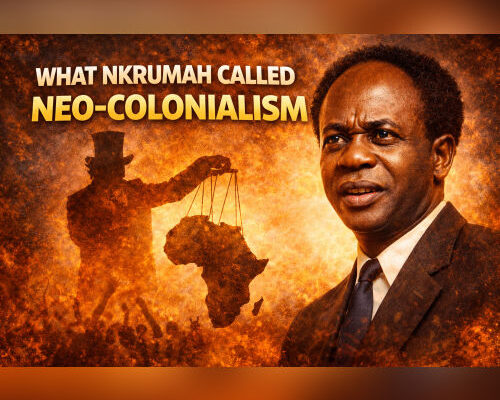
What Nkrumah Liked to refer to as Neo-colonialism

In the years following Ghana’s independence in 1957, one of the most influential political and intellectual concepts articulated by Kwame Nkrumah was “neo-colonialism.” For Nkrumah, independence did not mark the end of foreign domination in Africa. Instead, he argued that a new, more subtle form of control had emerged—one that operated through economic power, political…

Read More

The Birth of a Free African Press?

The question of whether independence in 1957 marked the true birth of a free African press in the Gold Coast—now Ghana—is both historically complex and deeply debated. While Ghana’s independence symbolized political liberation from colonial rule, the evolution of press freedom was far more gradual and contested. Newspapers had played a crucial role in anti-colonial…

Read More

How the Media Covered the Ban on Opposition Parties

The banning of opposition parties in Ghana during the late 1950s and early 1960s stands as one of the most consequential moments in the country’s political and media history. Newspapers of the era did not merely report the development—they actively shaped how the public understood the meaning of political unity, democracy, and authority in a…

Read More

Newspapers and Ghana’s Independence Day Celebrations

The relationship between newspapers and Ghana’s Independence Day celebrations is deeply rooted in the country’s political history and media evolution. From the late colonial period through the attainment of independence in 1957 and into the post-colonial era, newspapers played a central role in documenting, shaping, and amplifying the meaning of national freedom. In the Gold…

Read More

Press Freedom vs National Unity Debates

In the years surrounding Ghana’s independence and early nation-building period (roughly the mid-1950s through the early 1960s), one of the most persistent and consequential public discussions revolved around the tension between press freedom and national unity. Newspapers themselves became both the arena and the actors within this debate. Through editorials, political reporting, and public commentary,…

Read More

How the Press Announced Ghana to the World

The emergence of Ghana as an independent nation in 1957 was not only a political milestone but also a global media event. Newspapers—both local and international—played a decisive role in announcing the birth of the new state to the world. Through headlines, editorials, photographs, and diplomatic reporting, the press transformed Ghana’s independence from a regional…

Read More

Media Portrayal of Kwame Nkrumah as National Hero

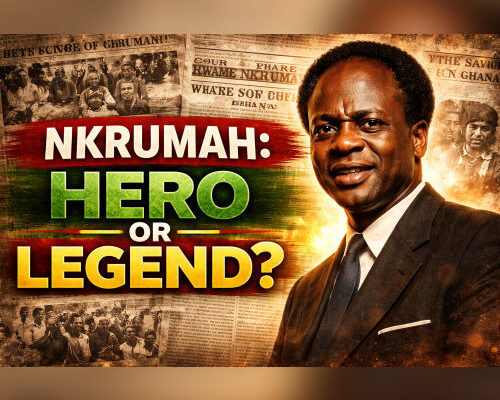
The portrayal of Kwame Nkrumah as a national hero was not simply a spontaneous public perception—it was carefully shaped, amplified, and sustained through newspapers and other media channels during the late colonial and early post-independence periods. In the Gold Coast, now Ghana, the press played a decisive role in constructing Nkrumah’s public image as a…

Read More

Education as a Gateway to Newspaper Consumption

The development of newspaper culture in the Gold Coast—today known as Ghana—was inseparable from the spread of formal education during the nineteenth and early twentieth centuries. Education did far more than teach reading and writing; it fundamentally reshaped social structures, created new intellectual classes, and fostered habits of information consumption. As literacy expanded through mission…

Read More

Media Framing of African Chiefs’ Consent

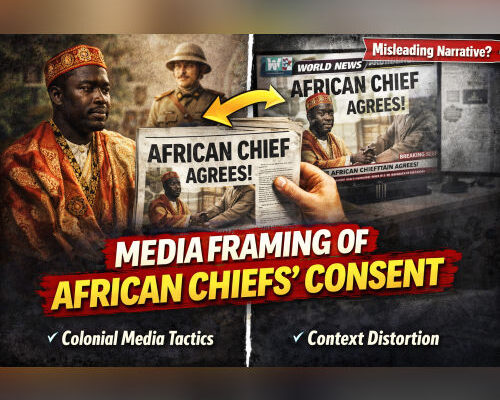
The concept of “chiefs’ consent” occupies a central place in the colonial history of the Gold Coast, present-day Ghana. Throughout the nineteenth and early twentieth centuries, colonial authorities frequently claimed that African chiefs willingly agreed to treaties, land concessions, and administrative reforms that facilitated British control. Newspapers—both colonial and African-run—played a decisive role in shaping…

Read More