








The Wisdom of My Mother: Lessons in Self-Reliance from a Ghanaian Childhood

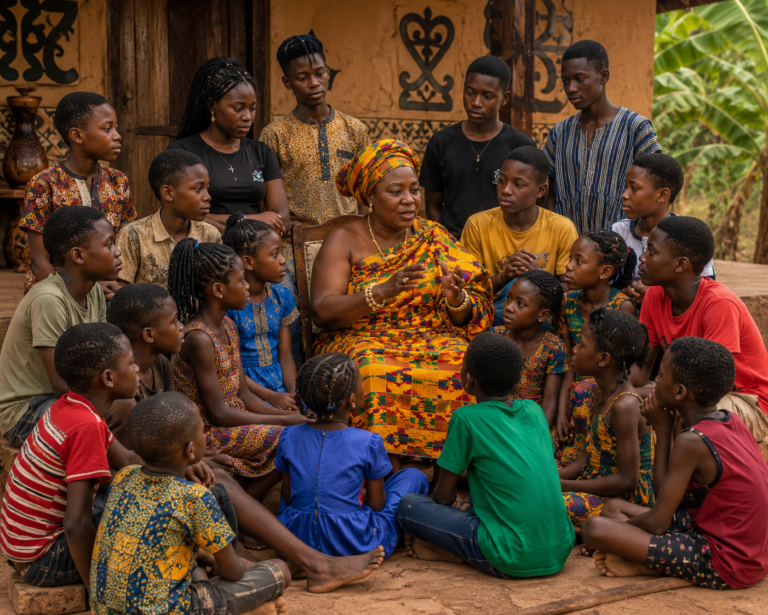
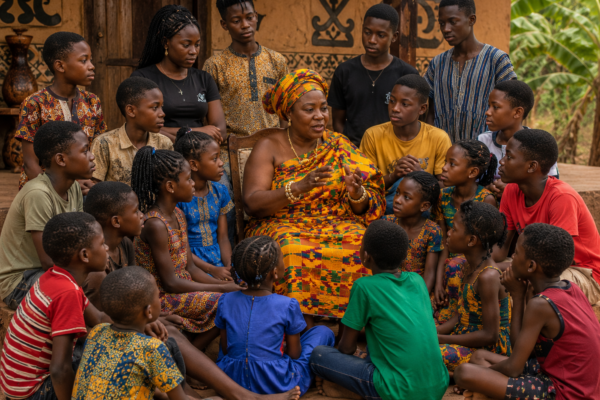
A Mother with Sixteen Children to Raise Growing up in Ghana in the 1970s, my mother taught her eight biological children and eight non-biological children the enduring virtues of self-reliance, hard work, and personal dignity. She was a woman of uncommon wisdom who believed that excessive dependence on others diminished one’s humanity and weakened one’s…

Read More

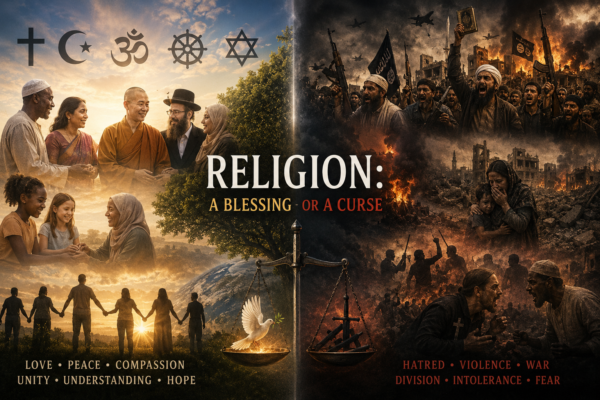
Religion: A Blessing or a Curse, A Boon or a Bane?

The world today is full of religions. By merely casting a cursory glance around us, we encounter Christians and Christianity, Hindus and Hinduism, Muslims and Islam, atheists, agnostics, traditionalists, Zionists, Jews and Judaism, Confucianists and Confucianism, Shintos and Shintoism. Religion, as sociologists and comparative cultural anthropologists remind us, is a social institution and a cultural…

Read More

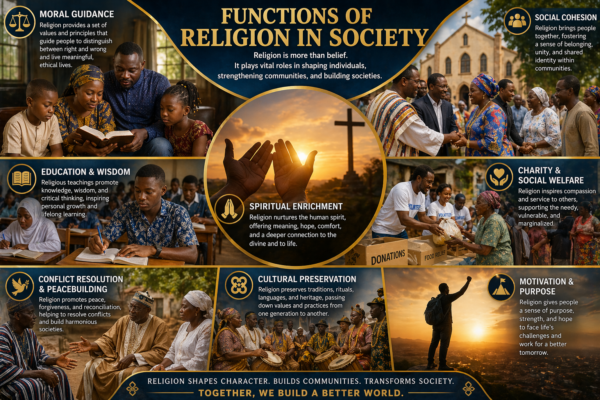
Functions of Religion in Society

Scholars who study society—sociologists, anthropologists, and others—have long observed that religion exists in every known culture. Because of this, religion is often described as a cultural universal. It is not limited to one people or place; it is a shared human experience. In today’s world, religion remains widespread. About 2 billion people identify as Muslims,…

Read More

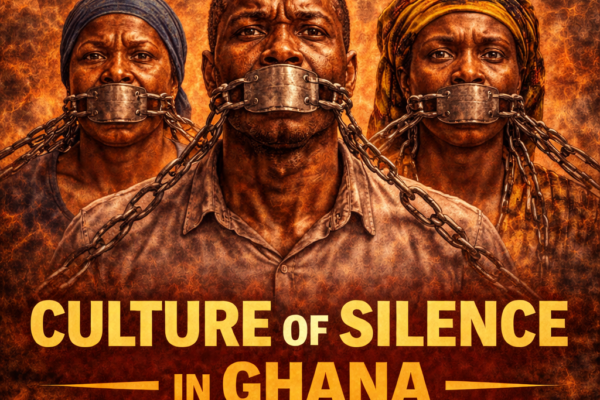
Culture of Silence and Endurance in Ghanaian Society

An observable feature of Ghanaian social life is a recurring tendency toward silence in moments that might otherwise call for resistance or confrontation. Even when individuals experience clear forms of mistreatment, there is often a strong social and cultural pull toward restraint rather than action. People are frequently encouraged to endure, to exercise patience, and…

Read More

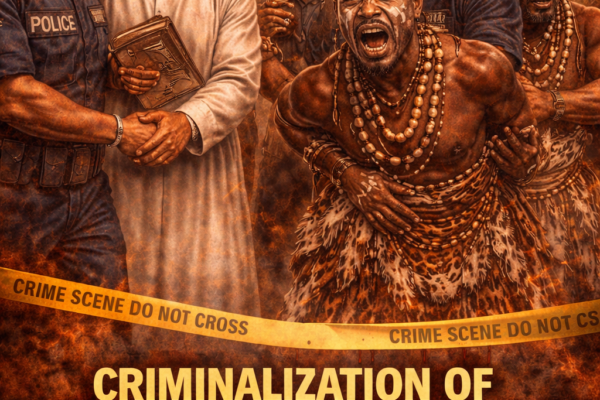
Criminalizing Witchcraft Accusations in Ghana: Prospects, Limits, and the Logic of Deterrence

Introduction The question of whether the criminalization of witchcraft accusations would have any meaningful impact in Ghana requires careful and systematic analysis. At present, witchcraft accusations are largely non-criminal, meaning there are no specific laws prohibiting individuals from accusing others of being witches. As a result, those who make such accusations do not face arrest,…

Read More

How Colonialism, Christianity, and Missionary Education Destroyed African Culture and Transformed Africans

With colonialism came missionaries who sought to convert Africans to Christianity and, in the process, reshape African ways of life. This encounter was not culturally neutral. It involved a systematic attempt—sometimes subtle, often overt—to redefine African identity, values, and social institutions. While missionary education brought literacy and formal schooling, it also carried profound cultural consequences…

Read More

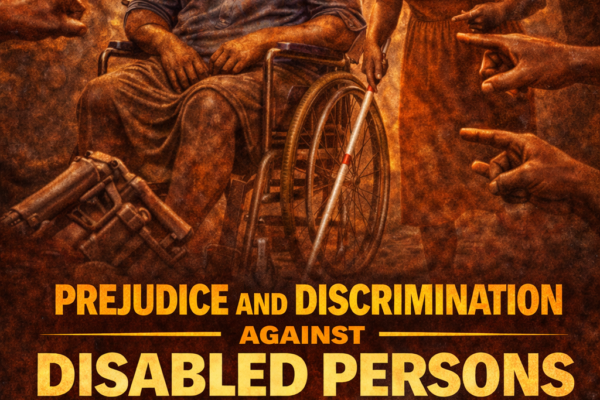
Prejudice and Discrimination Against Disabled People in Ghana

In every society, including Ghana, there exist disabled people living with various forms of disability. These disabilities take many shapes and forms. Some are physical, affecting mobility, sight, hearing, or bodily function. Others are mental or psychological, influencing cognition, emotional regulation, or social interaction. Disability is not confined to any particular group in society; it…

Read More

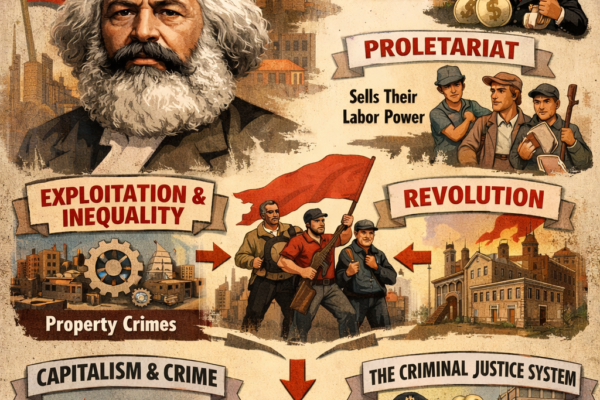
Marxism and Marxist Criminology

Marxism, as developed by Karl Marx and Friedrich Engels, is a theoretical framework that seeks to explain the organization, functioning, and transformation of society, particularly under conditions of capitalism. Class Structure: Bourgeoisie and Proletariat At the center of Marxist analysis is a distinction between two primary social classes: the bourgeoisie and the proletariat. The bourgeoisie…

Read More

The Case for Reparation: Reparative and Restorative Justice Are Neither New nor Novel

“Reparation” as an idea or concept refers to the act of making amends for a wrong or injury—especially by providing compensation, restitution, or other forms of redress to those who have been harmed. In its simplest sense, reparation means “repairing the damage” caused by an injustice. In more formal or scholarly terms, reparation can take…

Read More

Femicide: When Females Are Victims of Homicide

Femicide refers to the intentional killing of females because they are female. It is widely recognized within criminology and gender studies as a distinct form of homicide, shaped by gender inequality, power imbalances, and cultural norms. Scholars of homicide and lethal violence use several related terms to describe gender-based killings. One such term is gynocide,…

Read More

How Rules Become Laws: Examples from Ghana

Rules, Laws, and Social Order All human societies are governed by rules. These rules regulate behavior by defining what individuals may do and what they must refrain from doing. Without such rules, social life would be chaotic, unpredictable, and ultimately unsustainable. Rules make social interaction possible by creating order, stability, and mutual expectations among members…

Read More

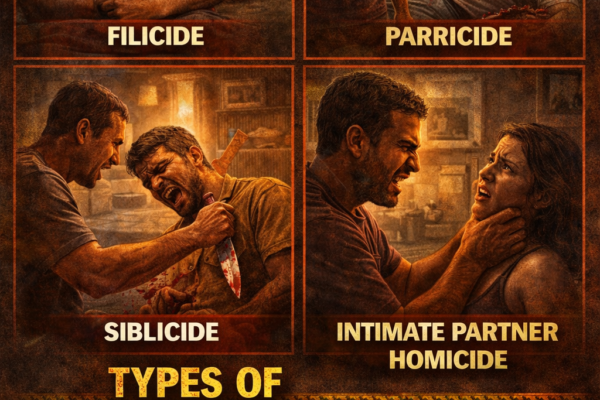
When Home Turns Deadly: Understanding Types of Family Homicide

Introduction: The Hidden Face of Family ViolenceHomicide refers to the killing of one person by another, and within this broad category lies a deeply troubling subset known as family homicide, which involves the killing of one family member by another. Although the family is often idealized as a haven of care, protection, and emotional support,…

Read More