






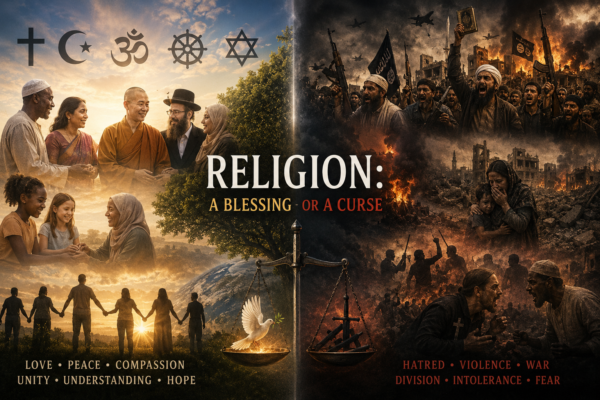
Religion: A Blessing or a Curse, A Boon or a Bane?

The world today is full of religions. By merely casting a cursory glance around us, we encounter Christians and Christianity, Hindus and Hinduism, Muslims and Islam, atheists, agnostics, traditionalists, Zionists, Jews and Judaism, Confucianists and Confucianism, Shintos and Shintoism. Religion, as sociologists and comparative cultural anthropologists remind us, is a social institution and a cultural…
Read More

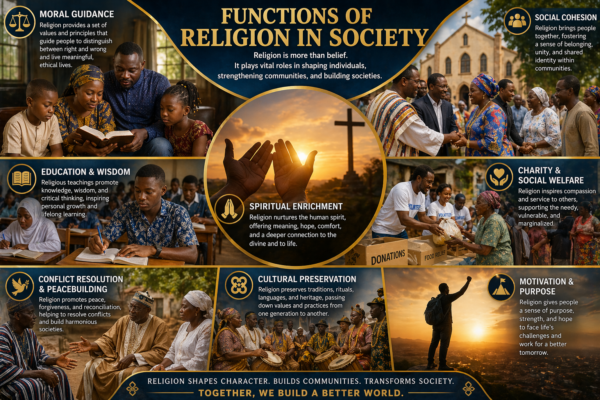
Functions of Religion in Society

Scholars who study society—sociologists, anthropologists, and others—have long observed that religion exists in every known culture. Because of this, religion is often described as a cultural universal. It is not limited to one people or place; it is a shared human experience. In today’s world, religion remains widespread. About 2 billion people identify as Muslims,…

Read More

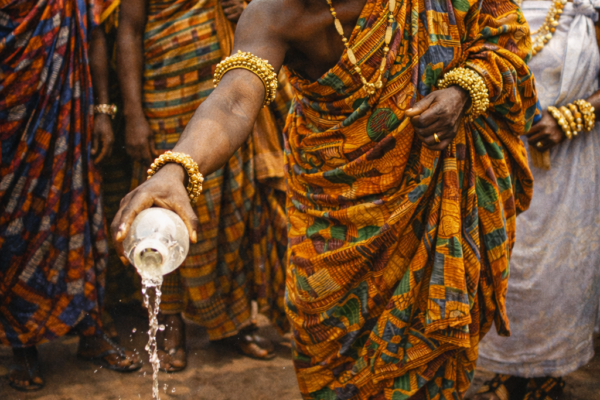
Pouring Libation in Akan Society

Among the Akan people of Ghana, pouring libation is one of the most important traditional religious practices. It is a solemn ritual through which people communicate with the spiritual world. The act symbolizes reverence for the ancestors, recognition of the Supreme Being, and a request for protection, blessings, and guidance in the affairs of life….

Read More

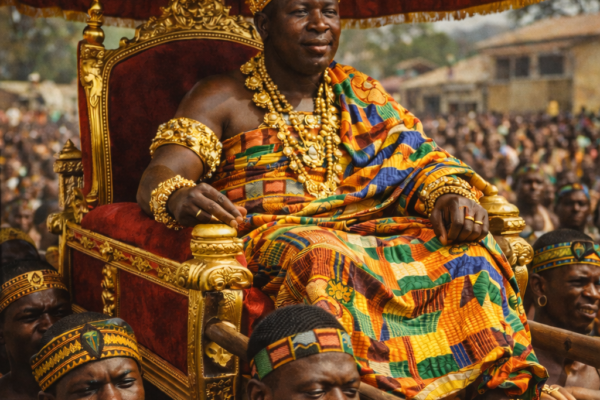
Why Akan Chiefs Are Carried in Palanquins

The Akan of GhanaThe Akan are an ethnic group that live in Ghana. They occupy a broad stretch of territory extending from the coastal areas to the central forest belt of the country. Historically and culturally, the Akan constitute one of the largest ethnolinguistic groups in Ghana and share closely related languages, traditions, and social…

Read More

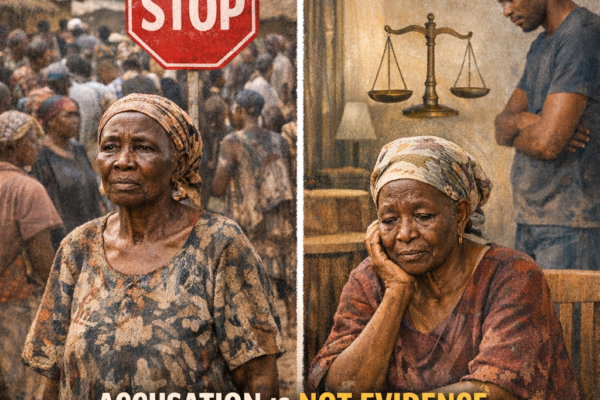
Allegations of Witchcraft Are Not a Matter for Northern Ghanaians Alone

Recent reports in the Ghanaian media have once again drawn attention to a disturbing and persistent problem: the murder, attempted murder, and lynching of women accused of practicing witchcraft. These incidents are often shocking in their brutality and tragic in their consequences. They also raise an important question: Are witchcraft accusations a problem confined to…

Read More

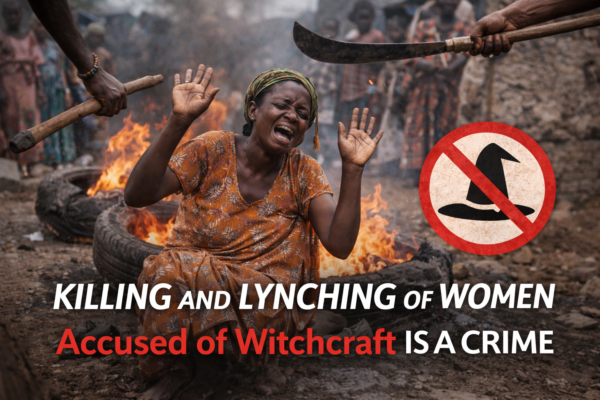
Killing and Lynching of Women Accused of Witchcraft is a Crime

Violence against persons accused of witchcraft remains a troubling reality in parts of Ghana. Although our nation prides itself on hospitality, communal solidarity, and deep respect for human dignity, allegations of witchcraft too often trigger acts of cruelty that contradict these cherished values. It is time to speak plainly: killing or lynching a person accused…

Read More

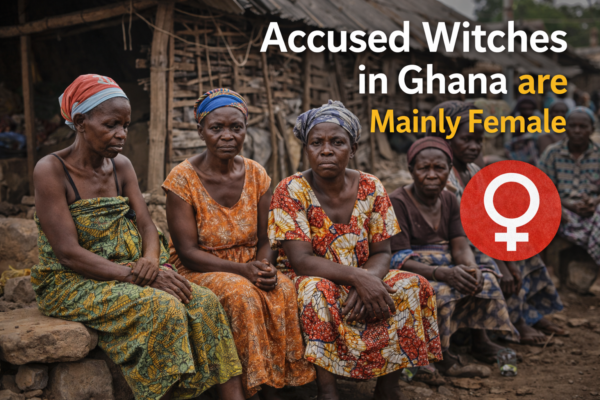
Why Are Ghanaian “Witches” 99% Female?

In Ghana, the overwhelming majority of people accused of witchcraft are women and girls. Nearly all victims killed during witch hunts are female. In the so-called “witch camps” or “outcast homes” in northern Ghana, it is rare to find a man among the residents. The population is almost entirely women—elderly women, widows, divorced women, poor…

Read More

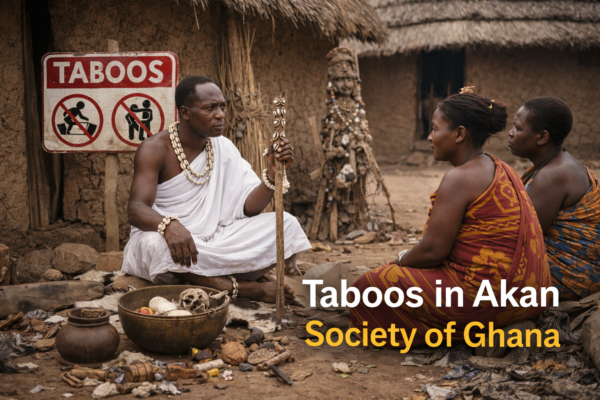
Taboos in Akan Society of Ghana

The Akan constitute one of the major ethnic groups in Ghana, accounting for approximately 46 percent of the national population. They speak Twi, a language that is understood and spoken by nearly 90 percent of the country’s population. The Akan are made up of several subgroups, including the Asante, Fante, Akuapem (Akwapim), Akyem (Akim), Brong,…

Read More

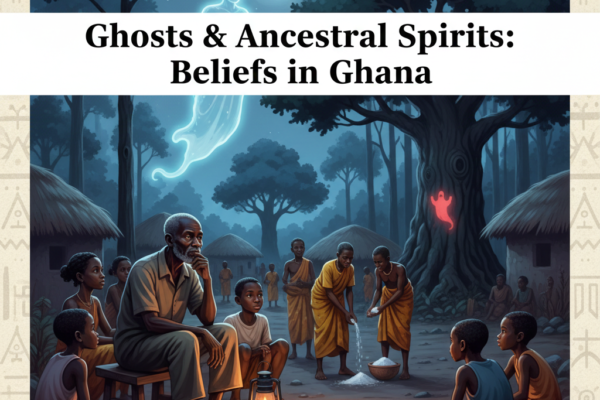
Beliefs About Ghosts in Ghana: What the Living Say About the Dead

Widespread Beliefs in GhostsAlthough no large-scale self-report study has been conducted on belief in ghosts in Ghana, it is fair to say that belief in ghosts or apparitions is widespread across the country. These beliefs are especially strong among the Akan of southern Ghana, where ideas about death, spirits, and the afterlife are deeply embedded…

Read More

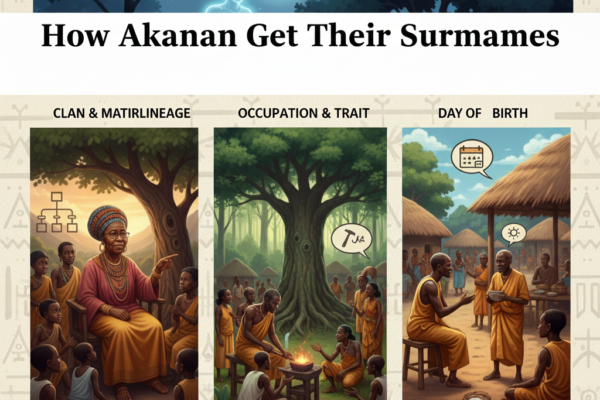
Akan Surnames: Heritage, Identity, and the Power of Names

Among the Akan people of Ghana, names are more than labels—they are living symbols of heritage, identity, social bonds, and spiritual connection. Akan naming traditions reflect a society where lineage, ancestry, and morality are woven into the very words that identify a person. Origins of Akan Surnames Although the Akans are a matrilineal society, it…

Read More

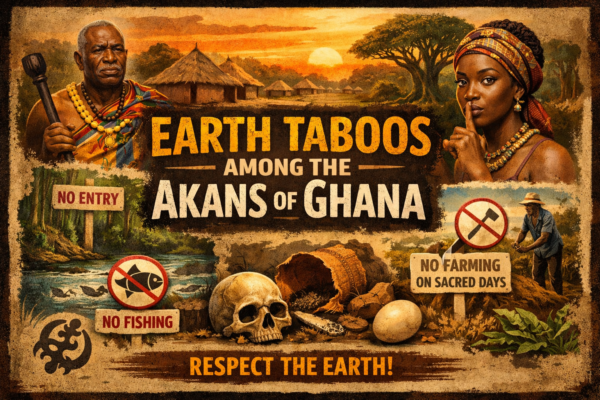
Earth Taboos Among the Akans of Ghana: Asaase Yaa Must Not Be Defiled

A taboo is an act so deeply forbidden that it provokes moral outrage, fear, or spiritual anxiety when violated. Taboos are cultural universals: every society draws invisible lines that must not be crossed. Yet these lines are not the same everywhere. What one society condemns as unthinkable may be ordinary or morally neutral in another….

Read More

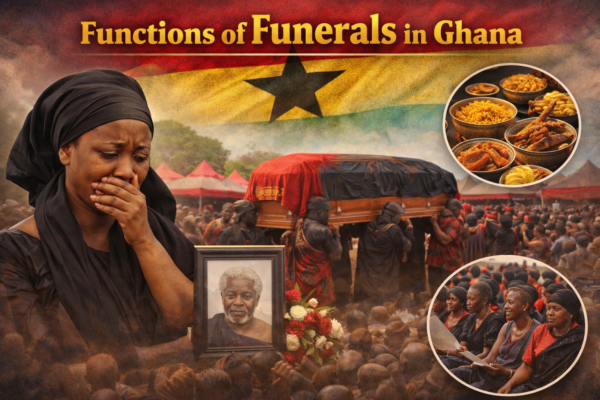
Functions of Funerals in Akan Society of Ghana

Among the Akan people of southern Ghana, funerals are more than ceremonies—they are profound cultural, spiritual, and social events that reflect the community’s understanding of life, death, and the afterlife. Central to Akan beliefs is the conviction that life continues after death. While the body decomposes, the spirit embarks on a journey to Asamando, the…

Read More

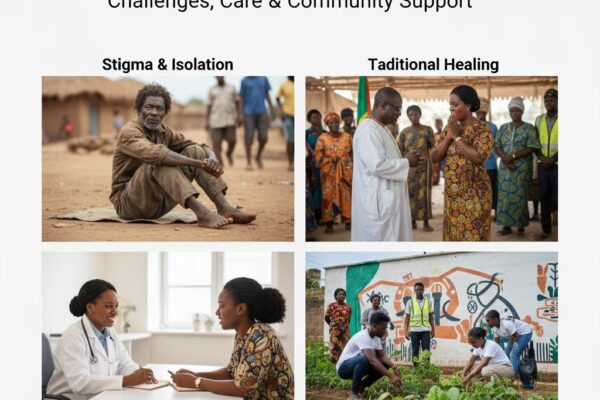
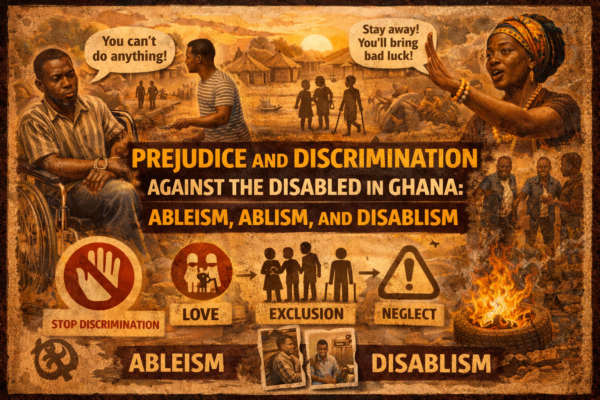
Prejudice and Discrimination Against the Disabled in Ghana: Ableism, Ablism, and Disablism

Sociologists use the term ableism to describe prejudice, discrimination, and social exclusion directed against persons with disabilities. The terms ablism and disablism are also used in the scholarly literature to refer to the same phenomenon, namely, the systematic disadvantaging of people whose bodies or minds do not conform to socially constructed notions of “normalcy.” Although…

Read More