








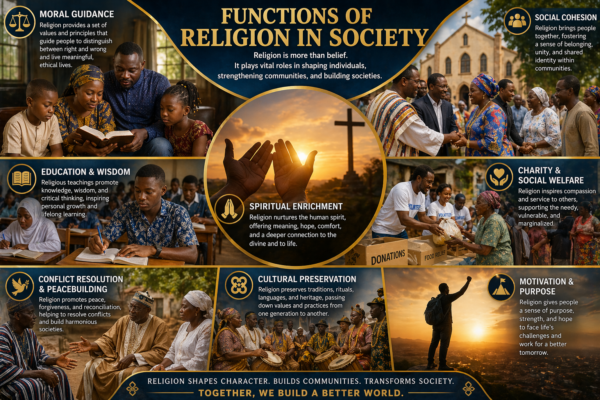
Functions of Religion in Society

Scholars who study society—sociologists, anthropologists, and others—have long observed that religion exists in every known culture. Because of this, religion is often described as a cultural universal. It is not limited to one people or place; it is a shared human experience. In today’s world, religion remains widespread. About 2 billion people identify as Muslims,…

Read More

Mensah Adinkrah: A Preeminent Kwahu Scholar of Global Distinction

Origins and Cultural Heritage Professor Dr. Mensah Adinkrah, Professor of Sociology, Criminology, and Criminal Justice, is a native of Kwahu-Nkwatia in the Eastern Region of Ghana. Kwahu (also rendered as Kwawu) refers both to a geographical area and to a distinct Akan subgroup inhabiting the region. The Kwahu are part of the larger Akan people…

Read More

The Case for Reparation: Reparative and Restorative Justice Are Neither New nor Novel

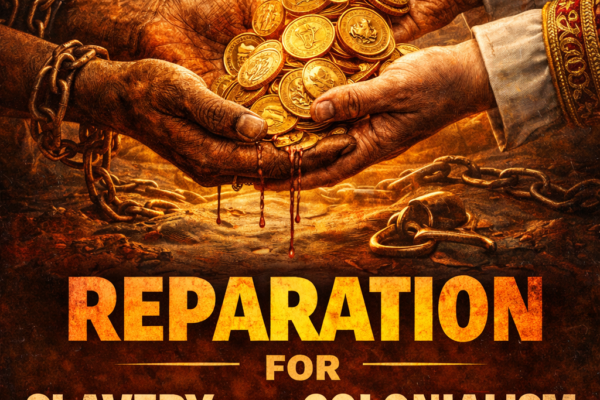
“Reparation” as an idea or concept refers to the act of making amends for a wrong or injury—especially by providing compensation, restitution, or other forms of redress to those who have been harmed. In its simplest sense, reparation means “repairing the damage” caused by an injustice. In more formal or scholarly terms, reparation can take…

Read More

The Deadly Side of Masculinity: Male Victims, Male Killers

Men and boys are frequently victims of homicide, yet discussions of lethal violence often overlook the specific contexts in which they are targeted. Scholars of homicide and lethal violence have developed a range of terms to describe killings based on the relationship between victim and offender, as well as the broader social context in which…

Read More

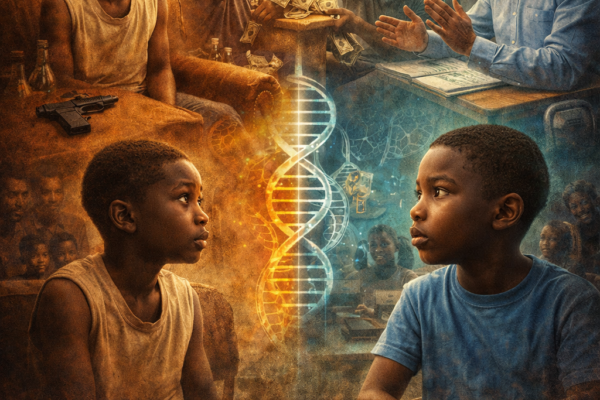
Are Criminals Born or Made?

Are people born criminals, or do they learn to become criminal? Is there a “crime gene”? Can criminal behavior be inherited, or do people have control over their actions? These questions have intrigued scholars, parents, and the public for decades. Some people assume that crime is inherited. They look at families where multiple members have…

Read More

Education as a Gateway to Newspaper Consumption

The development of newspaper culture in the Gold Coast—today known as Ghana—was inseparable from the spread of formal education during the nineteenth and early twentieth centuries. Education did far more than teach reading and writing; it fundamentally reshaped social structures, created new intellectual classes, and fostered habits of information consumption. As literacy expanded through mission…

Read More

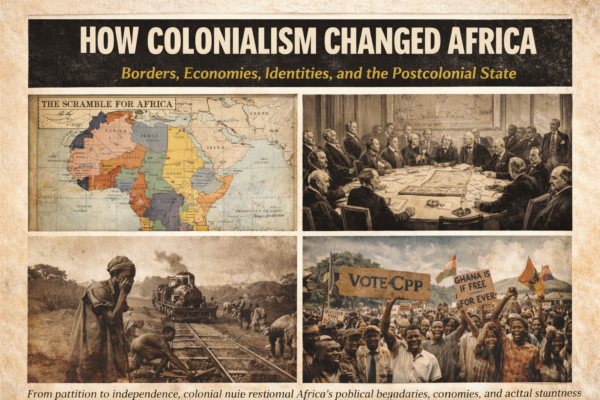
How Colonialism Changed Africa

The Slave Trade and Demographic Devastation When we talk about Africa today—its borders, its languages, its religions, its politics—we are also talking about colonialism. The Africa we know in the twenty-first century did not emerge naturally from the past. It was profoundly shaped by centuries of foreign intrusion, exploitation, and rule. To understand present-day Africa,…

Read More

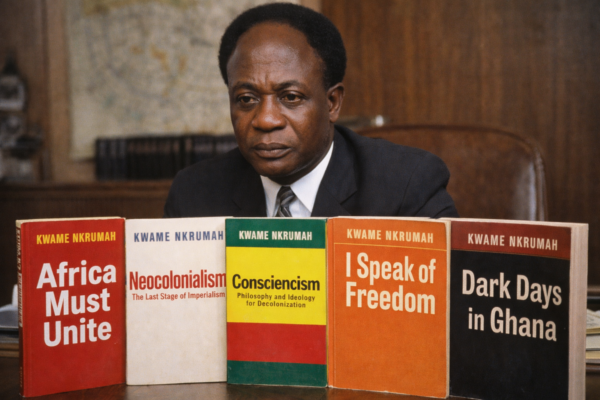
Books Written by Kwame Nkrumah, the Pan-Africanist

Kwame Nkrumah is one of the foremost Pan-Africanists Africa has ever produced. He devoted his life to the political, economic, and cultural liberation of the African continent. He played a leading role in the establishment of the Organization of African Unity (OAU), now known as the African Union (AU), and actively supported liberation movements across…

Read More

Africa 101: Facts Everyone Should Know about Africa

Africa is one of the most misunderstood places in the world. Popular myths—often repeated in classrooms, media, and casual conversation—have distorted global understanding of the continent. Below are some common falsehoods about Africa, alongside the facts. False: Africa Is a Country True: Africa is a continent.Africa is the world’s second-largest continent and is made up…

Read More

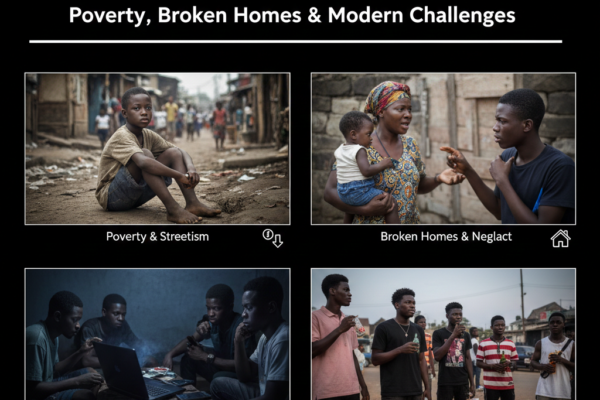
Causes of Juvenile Delinquency in Ghana

Children and the Future of the Nation Children are the future of every society. When a nation fails to nurture and guide its children properly, it mortgages its own future. Ghana today faces a troubling situation: unless deliberate efforts are made to mould children into disciplined, responsible, and law-abiding citizens, the consequences will be felt…

Read More

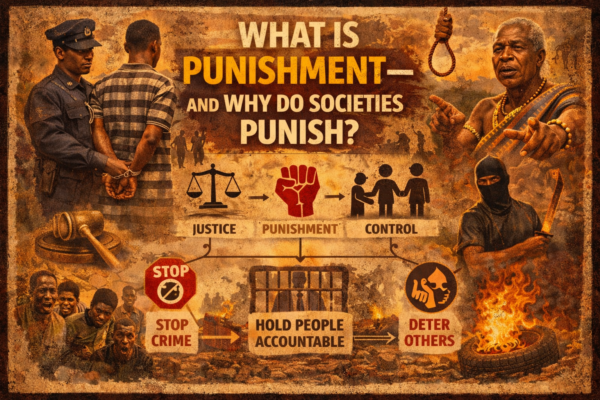
What Is Punishment—and Why Do Societies Punish?

Punishment is a central feature of every organized society. While rewards are designed to encourage conformity and socially approved behavior, punishment exists to negatively sanction deviant behavior. When individuals act in ways that align with societal norms, they are often rewarded through praise, status, or material benefits. When they violate those norms, society—or its authorized…

Read More