







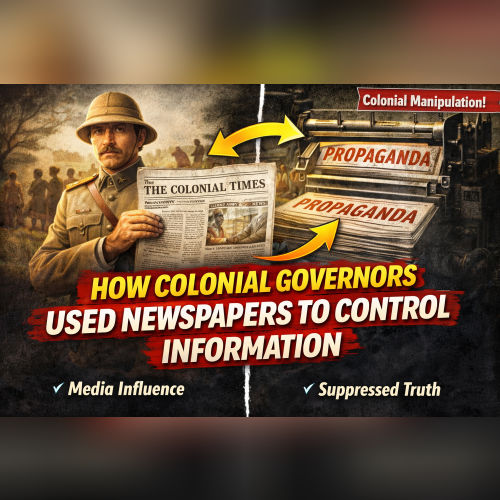
During the colonial period in the Gold Coast—modern-day Ghana—newspapers were not merely instruments of public communication; they were powerful tools of governance and political control. Colonial governors recognized early that controlling the flow of information was essential for maintaining authority, shaping public opinion, and managing resistance. Through censorship laws, strategic propaganda, selective reporting, and alliances with missionary presses, colonial administrations used newspapers to construct narratives that legitimized imperial rule while suppressing dissenting voices.
The Early Colonial Information Environment
In the mid-nineteenth century, the Gold Coast’s media landscape was limited and tightly connected to colonial institutions. Early newspapers often depended on printing presses owned by missionary societies or government offices. Because printing infrastructure was scarce and expensive, colonial authorities could exert significant influence over which publications were allowed to operate.
Governors understood that newspapers could reach the emerging educated African elite—clerks, teachers, traders, and civil servants—whose cooperation was essential for administrative stability. As a result, controlling what these readers saw became a key colonial priority.
Official Gazettes and Government Messaging
One of the primary methods of information control was the use of official government publications. Colonial administrations produced gazettes that published laws, proclamations, and administrative decisions. These publications were widely distributed to mission schools, courts, and administrative centers.
Official gazettes framed government policies in authoritative language that emphasized order, progress, and legitimacy. They portrayed colonial governance as beneficial to local populations, often highlighting infrastructure projects, trade expansion, and public health initiatives while avoiding discussion of coercive policies such as taxation or forced labor.
Governors relied on these publications to ensure that their perspective dominated the information environment.
Press Laws and Censorship Mechanisms
As African-owned newspapers began to emerge in the late nineteenth century, colonial authorities introduced legal frameworks to regulate the press. These laws required newspaper publishers to obtain licenses, deposit security bonds, and comply with strict defamation and sedition regulations.
Such legal mechanisms allowed governors to suppress publications deemed threatening to colonial stability. Editors who criticized government policies risked fines, imprisonment, or closure of their presses.
These censorship policies were not always openly enforced but created a climate of self-censorship. Newspaper editors often avoided controversial topics to prevent retaliation from colonial authorities.
Strategic Propaganda and Narrative Control
Colonial governors also used newspapers to disseminate propaganda that reinforced imperial ideology. Articles frequently emphasized themes such as the “civilizing mission,” economic development, and the supposed benefits of British legal systems.
Reports portrayed colonial rule as a partnership between British administrators and African chiefs, reinforcing the narrative of voluntary cooperation. Treaties and agreements were framed as consensual arrangements that reflected local support for British governance.
This narrative control helped reduce resistance by shaping public perception of colonial authority as legitimate and beneficial.
Collaboration with Missionary Presses
Missionary societies played a significant role in colonial information control. Because missions operated many of the earliest printing presses, colonial governors often collaborated with them to distribute official messages.
Missionary publications tended to align with colonial priorities, promoting social order, Christian morality, and Western education. By influencing these publications, colonial authorities could indirectly shape public discourse without appearing overtly repressive.
This partnership between colonial administrations and missionary presses created a powerful information network that reached both literate elites and rural communities.
Monitoring and Countering African Nationalist Journalism
By the early twentieth century, African nationalist newspapers began challenging colonial narratives. Publications edited by figures such as J. E. Casely Hayford used the press to advocate political reform and criticize government policies.
In response, colonial governors intensified surveillance of the press. Intelligence reports monitored newspaper content, identified influential writers, and assessed potential threats to colonial stability.
Governors sometimes responded by publishing counter-articles, issuing official statements, or pressuring editors through informal channels. This ongoing contest between colonial authorities and African journalists highlighted the strategic importance of newspapers in political struggles.
Wartime Information Control
During global conflicts such as World War I and World War II, colonial governors exercised even greater control over newspapers. Wartime censorship restricted the publication of information that could undermine military morale or reveal strategic vulnerabilities.
Newspapers were required to promote recruitment campaigns, war bond initiatives, and patriotic messaging. Articles emphasized loyalty to the British Empire while minimizing reports of dissent or resistance.
This wartime information control further demonstrated how newspapers functioned as instruments of state power.
Long-Term Implications
The colonial use of newspapers for information control had lasting effects on Ghana’s media landscape. It established precedents for press regulation, influenced journalistic practices, and shaped public expectations regarding government communication.
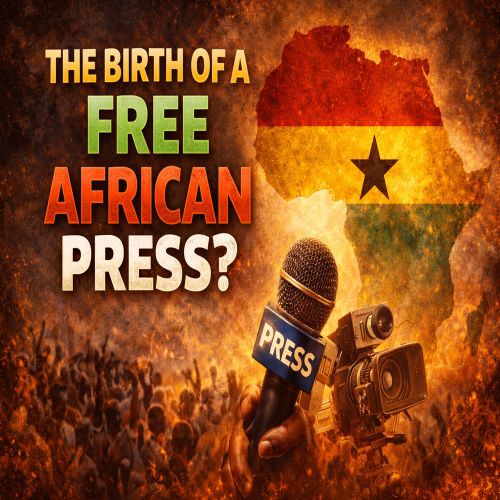
However, these efforts also contributed to the growth of a politically conscious readership. Attempts to suppress dissent often heightened interest in alternative viewpoints, strengthening nationalist journalism and accelerating demands for independence.
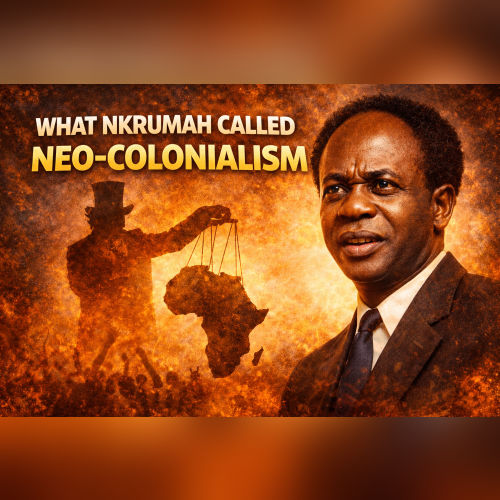
Leaders such as Kwame Nkrumah later harnessed newspapers as tools for mobilizing anti-colonial movements, transforming a medium once used for control into a platform for liberation.
Colonial governors in the Gold Coast strategically used newspapers to control information, shape public opinion, and maintain political authority. Through official publications, censorship laws, propaganda campaigns, and collaboration with missionary presses, they constructed a tightly managed media environment.
Yet this control was never absolute. African journalists and nationalist leaders eventually challenged colonial narratives, demonstrating the enduring power of the press as both an instrument of authority and a vehicle for resistance.
Watch the full video on YouTube – https://youtu.be/Pqn1Hs2CbZM