

Introduction: Why March Matters
Every year, the month of March occupies a sacred place in Ghana’s historical calendar. On 6 March 1957, under the leadership of Kwame Nkrumah, the Gold Coast became Ghana — the first sub-Saharan African nation to gain independence from British colonial rule. March is therefore not merely commemorative; it is reflective. It calls citizens to examine the meaning of sovereignty, dignity, and collective identity.
Within this reflective season, it is worth revisiting a symbolic episode in Ghana’s early national life — the day the Black Stars crossed swords with one of the greatest football teams in history, Real Madrid CF, in 1962. Though occurring five years after independence, the match belongs to the same psychological and political moment: a young nation asserting itself before the world.
From Gold Coast XI to the Black Stars
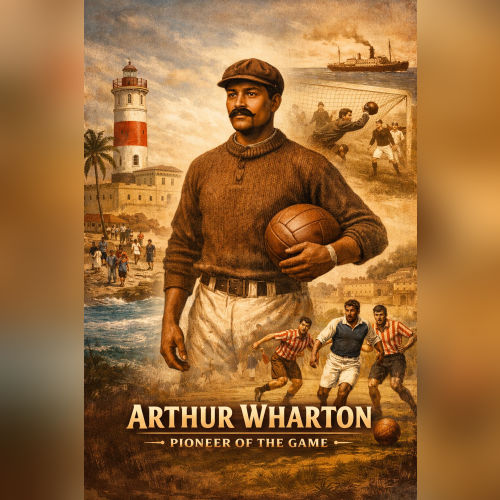
Before independence, the national team competed as the Gold Coast XI, engaging regional rivals in West Africa. Football had already become embedded in coastal towns such as Accra, Cape Coast, and Sekondi through missionary schools, merchant sailors, and colonial administrators in the late 19th and early 20th centuries.
With independence came transformation. The team was renamed the Black Stars, inspired by the Black Star on Ghana’s national flag — itself influenced by Marcus Garvey’s Black Star Line, symbolizing African emancipation and unity. The star was not decorative; it was ideological. It represented continental leadership and self-determination.
In Akan expression, football contests were often described as “ɔko” (war or battle). Supporters would remark “ɔko yɛ den” — “the battle is intense.” Such language reflects how sport was culturally interpreted: not merely recreation, but struggle, honour, and pride.
Real Madrid: The Global Standard
By 1962, Real Madrid CF had established itself as the dominant force in European football. Having won multiple European Cups between 1956 and 1960, the club was widely regarded as the finest team in the world. Their squad featured legendary figures such as Ferenc Puskás and Alfredo Di Stéfano — names that resonated globally.
When Real Madrid embarked on a West African tour in August 1962 at the invitation of President Nkrumah, it was not accidental. Nkrumah viewed sport as an instrument of diplomacy and nation-building. Hosting the world’s most celebrated club in Accra symbolized Ghana’s openness and confidence on the global stage.
19 August 1962: The Clash in Accra
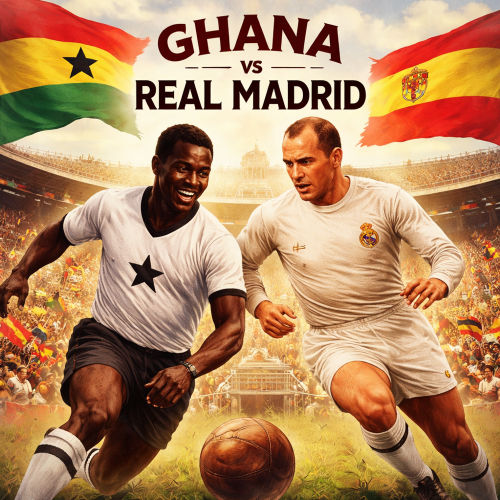
On 19 August 1962, at the Accra Sports Stadium, the Black Stars faced Real Madrid in what was officially a friendly but culturally a monumental encounter.
The result: a dramatic 3–3 draw.
For many Ghanaians, this outcome felt like victory. In local metaphor, Real Madrid was seen as “Ɔsono kɛseɛ” — “the great elephant,” a symbol of overwhelming strength. Yet the Black Stars did not retreat. They matched the European champions in skill, resilience, and composure.
The draw reverberated beyond the stadium. Newspapers celebrated it as evidence that Ghana could compete at the highest level. It strengthened national confidence at a time when the young republic was navigating political consolidation and continental leadership ambitions.
Football as Psychological Independence
Independence in 1957 had secured political sovereignty, but psychological emancipation unfolds more gradually. Encounters such as the 1962 match served as symbolic affirmations that Ghana was not peripheral to global excellence.
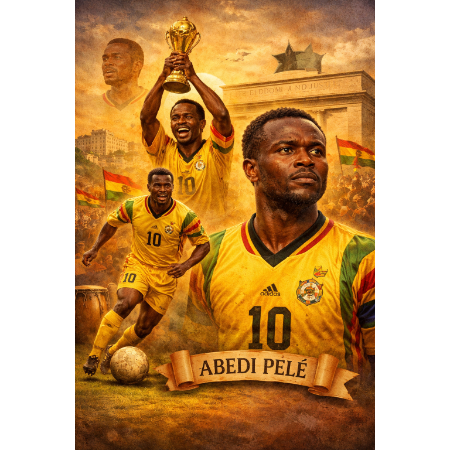
The impact was visible soon after. In 1963, Ghana hosted and won its first Africa Cup of Nations title, solidifying the Black Stars’ continental dominance. The confidence nurtured in matches against global elites contributed to this success.
Thus, the 1962 draw was not an isolated sport; it was part of a broader narrative of nation-building. It echoed the spirit of March 6 — that Ghana would stand not as subordinate, but as equal.
Conclusion: A March Lesson
As Ghanaians celebrate independence each March, reflecting on parades and patriotic speeches, it is worth remembering that the meaning of Ghana was forged in multiple arenas — political platforms, classrooms, markets, and football fields.
When the Black Stars crossed swords with Real Madrid in 1962, the encounter symbolized more than athletic competition. It represented a newly independent nation testing its strength against the best in the world — and discovering that it belonged.
March reminds us of birth. The match of 1962 reminds us of growth. Together, they tell a story of a people who refused to see themselves as small.