




Introduction
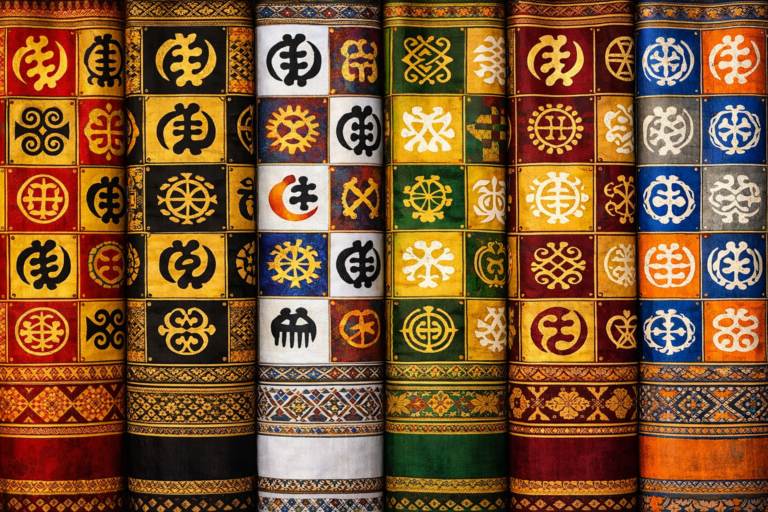
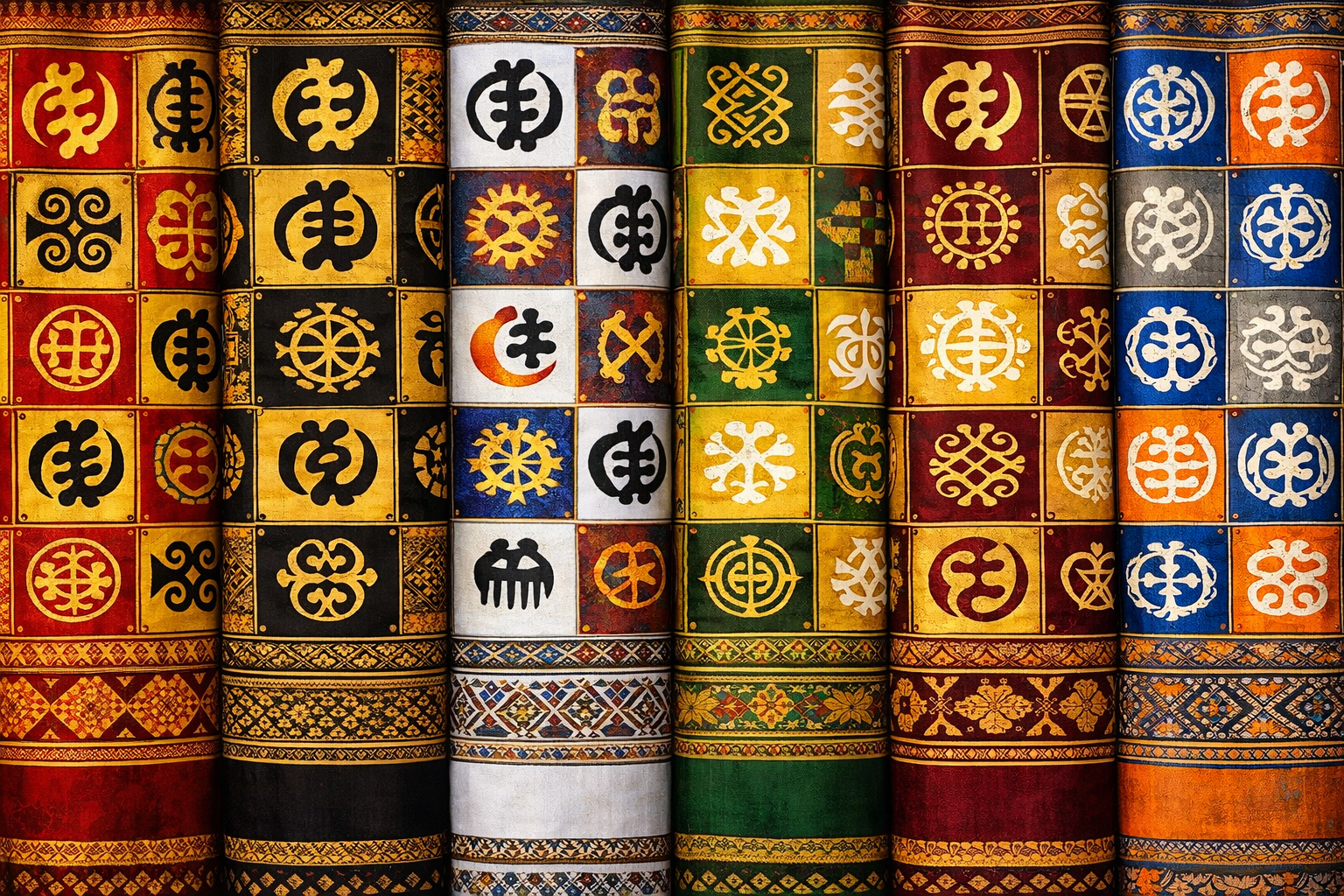
Adinkra cloth is one of the most important traditional textiles of Ghana and a significant cultural expression among the Akan people, particularly the Asante. Unlike Kente cloth, which is woven, Adinkra cloth is made by stamping symbolic designs onto fabric using special dyes. The cloth is famous for the numerous Adinkra symbols printed on it, each of which conveys a specific message, proverb, or philosophical idea.
Adinkra cloth is not simply decorative clothing. It functions as a visual system of communication through symbols that express Akan beliefs, values, historical experiences, and moral teachings. The cloth is therefore both an artistic and philosophical expression of Akan culture.
Origins and History of Adinkra Cloth
The history of Adinkra cloth is closely connected to the history of the Asante people and their interactions with neighboring states. According to Akan historical traditions, Adinkra cloth originated from the Gyaman kingdom, which was located in present-day Côte d’Ivoire.
The cloth is said to have been named after a king of Gyaman called Kofi Adinkra. King Adinkra reportedly wore a special patterned cloth decorated with symbolic designs. These symbols impressed the Asante people because of their beauty and the messages they conveyed.
In the early nineteenth century, the Asante Kingdom fought a war with Gyaman during the reign of Osei Bonsu, the Asante king. During this conflict, King Kofi Adinkra was defeated and captured. According to oral traditions, the Asante army discovered the symbolic cloth worn by the Gyaman king and brought the idea back to the Asante kingdom.
The Asante artisans then developed and refined the technique of stamping symbols on cloth using carved calabash stamps and natural dyes. Over time, the cloth became integrated into Asante cultural traditions and was widely used in ceremonies and social occasions.
Originally, Adinkra cloth was reserved for royalty and spiritual leaders. It was particularly associated with mourning and funeral ceremonies. Because of its association with reflection, wisdom, and remembrance, the cloth gradually became an important part of Akan cultural life.
How Adinkra Cloth is Made
Adinkra cloth is produced using a distinctive stamping technique. Artisans first prepare a dark dye made from the bark of the badie tree (Bridelia ferruginea). The bark is boiled for several hours to produce a thick, dark liquid used for stamping the symbols.
Next, artisans carve Adinkra symbols into pieces of calabash (gourd), which serve as stamps. The carved stamps are dipped into the dye and then pressed onto plain cotton cloth. The symbols are usually arranged in repeating patterns across the fabric.
Traditionally, the cloth is hand-produced by skilled craftsmen who have learned the techniques through apprenticeship. The process requires patience and artistic precision.
Adinkra Symbols and Their Meanings
There are many Adinkra symbols, each representing a specific philosophical idea, moral principle, or social value. Scholars have identified over one hundred Adinkra symbols, although the exact number can vary depending on classification and historical sources.
Each symbol functions like a visual proverb. The symbols convey messages about human behavior, wisdom, leadership, spirituality, perseverance, and social responsibility.
Some of the most well-known Adinkra symbols include:
Gye Nyame – This is one of the most famous Adinkra symbols. It means “Except God” and expresses the Akan belief in the supremacy and sovereignty of God. The symbol reflects the idea that nothing exists without the power of the Creator.
Sankofa – The Sankofa symbol teaches the importance of learning from the past. The word literally means “go back and get it.” It encourages people to return to their history and traditions in order to build a better future.
Dwennimmen – This symbol represents the horns of a ram. It symbolizes humility combined with strength. The message is that true strength includes the wisdom to remain humble.
Fawohodie – This symbol represents independence and freedom. It reflects the value placed on personal liberty and self-determination.
Nkyinkyim – This symbol represents initiative, adaptability, and versatility. It emphasizes the idea that life requires flexibility and resilience.
These symbols illustrate how Adinkra designs are deeply connected to Akan philosophy and worldview.
When Adinkra Cloth is Worn
Traditionally, Adinkra cloth was worn mainly during funerals and mourning ceremonies. The symbolic designs served as a means of expressing sorrow, reflection, and respect for the deceased. The cloth also conveyed philosophical messages about life, death, and human existence.
The colors of Adinkra cloth often reflected the context in which it was worn. Dark colors such as black and deep brown were commonly used for funerals and mourning. Red cloth could also be worn during funerals, particularly in situations involving tragic or premature death.
Over time, however, the use of Adinkra cloth expanded beyond funerals. Today it may be worn during festivals, cultural ceremonies, weddings, academic events, and other important occasions.
Adinkra symbols are also widely used in architecture, pottery, jewelry, furniture design, and graphic art. The symbols appear on buildings, official logos, and educational materials.
Cultural Significance of Adinkra Cloth
Adinkra cloth is a powerful representation of Akan cultural identity. The symbols embedded in the cloth reflect centuries of philosophical reflection, moral teaching, and social experience.
Through these symbols, important cultural values are transmitted from one generation to another. The cloth therefore serves as a form of cultural education. People who wear Adinkra communicate messages about wisdom, humility, courage, respect, and faith.
Adinkra symbols have also gained international recognition. They are widely studied in art history, cultural studies, and African philosophy. In many parts of the world, the symbols are used as visual representations of African heritage and identity.
Despite its global popularity, the tradition of producing authentic Adinkra cloth remains centered in Ghana, particularly in communities such as Ntonso in the Ashanti Region, where artisans continue to practice the traditional stamping techniques.
Conclusion
Adinkra cloth represents one of the richest artistic and philosophical traditions of the Akan people of Ghana. Originating from historical interactions between the Gyaman kingdom and the Asante kingdom, the cloth developed into a sophisticated system of symbolic communication.
With more than one hundred symbols expressing proverbs, values, and spiritual beliefs, Adinkra cloth serves as both an artistic masterpiece and a repository of Akan wisdom. Traditionally worn during funerals and important ceremonies, the cloth continues to play an important role in Ghanaian cultural life. Today Adinkra symbols are recognized across the world as powerful expressions of African philosophy, identity, and heritage. Through the continued work of Ghanaian artisans, this remarkable tradition remains alive and influential