






Mensah Adinkrah

Mensah Adinkrah, Ph.D., holds advanced academic degrees in sociology and has received extensive training in military sociology, victimology, criminology, penology, thanatology, and suicidology. His current research interests centre on comparative criminology and criminal justice, as well as suicide, homicide, and witchcraft accusations and persecution in Africa. He was born and raised in Ghana and is fluent in Twi.

The Wisdom of My Mother: Lessons in Self-Reliance from a Ghanaian Childhood

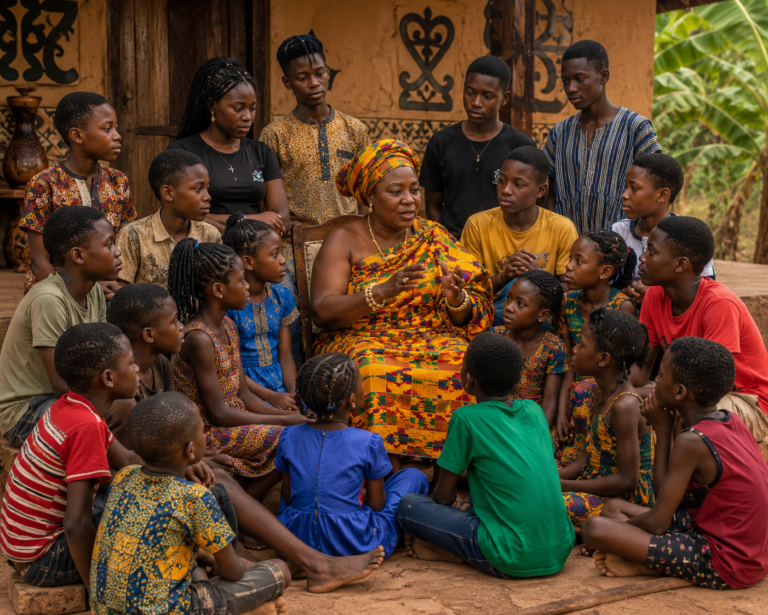
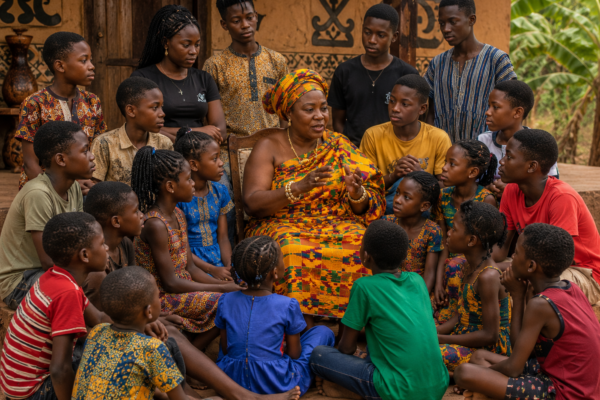
A Mother with Sixteen Children to Raise Growing up in Ghana in the 1970s, my mother taught her eight biological children and eight non-biological children the enduring virtues of self-reliance, hard work, and personal dignity. She was a woman of uncommon wisdom who believed that excessive dependence on others diminished one’s humanity and weakened one’s…
Read More

From Childhood Struggles to Professional Triumph: How a Father’s Vision Problems Inspired His Daughter to Become a Doctor of Optometry

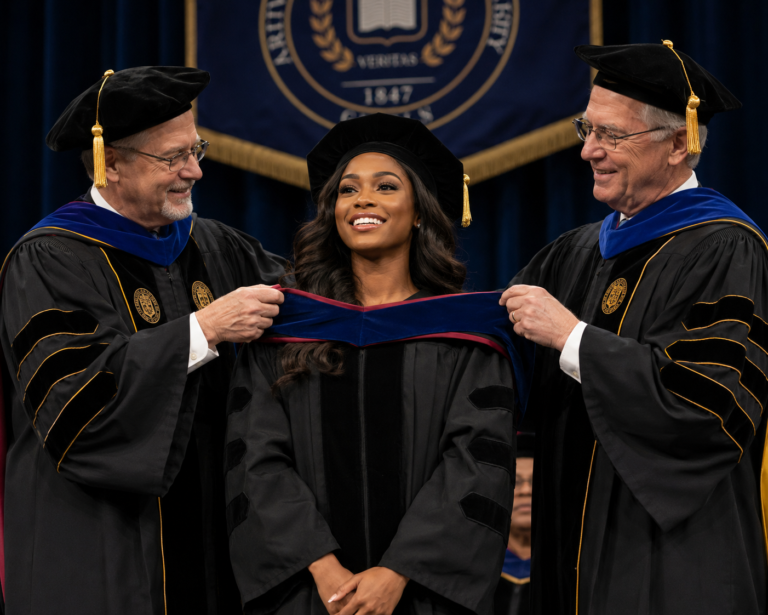
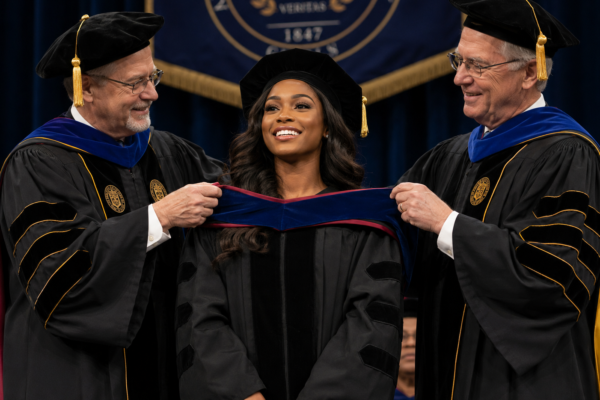
There are stories of academic success, and then there are stories of destiny shaped by personal struggle, sacrifice, and compassion. The remarkable journey of Dr. Amma Adinkrah belongs to the latter category. This past Saturday, Amma Adinkrah, daughter of Dr. Kwame Adinkrah, proudly graduated with the Doctor of Optometry (O.D.) degree from a prestigious College…

Read More

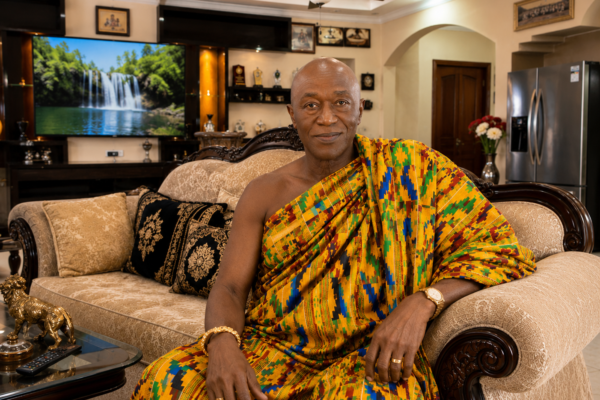
Mr. Albert Kwabena Dwamena: A Pillar of Development in Kwahu Nkwatia

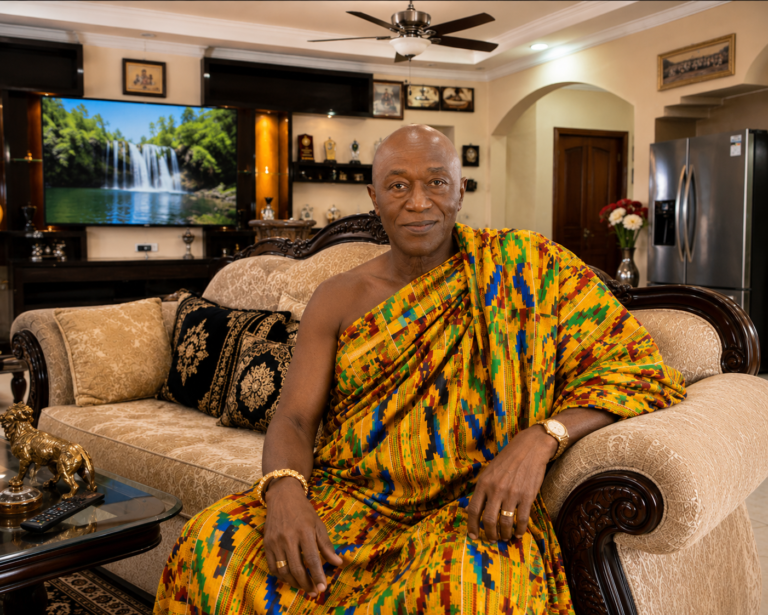
Mr. Albert Kwabena Dwamena is a distinguished and widely respected businessman from Nkwatia in the Kwahu enclave. Though originally from Nkwatia, he was raised in Nkawkaw, where he also began his early education at the elementary level. His academic journey took him through two notable institutions—Mpraeso Secondary School and St. Peter’s Secondary School—both of which…

Read More

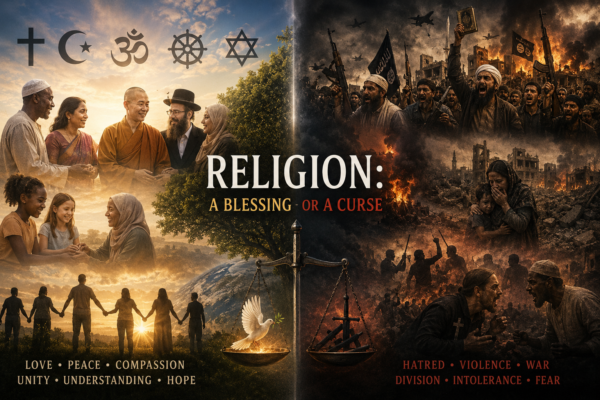
Religion: A Blessing or a Curse, A Boon or a Bane?

The world today is full of religions. By merely casting a cursory glance around us, we encounter Christians and Christianity, Hindus and Hinduism, Muslims and Islam, atheists, agnostics, traditionalists, Zionists, Jews and Judaism, Confucianists and Confucianism, Shintos and Shintoism. Religion, as sociologists and comparative cultural anthropologists remind us, is a social institution and a cultural…

Read More

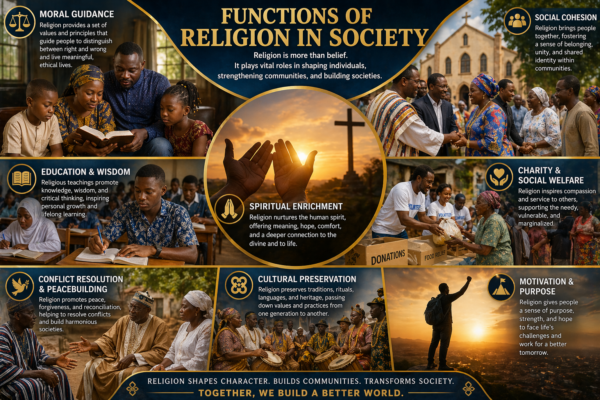
Functions of Religion in Society

Scholars who study society—sociologists, anthropologists, and others—have long observed that religion exists in every known culture. Because of this, religion is often described as a cultural universal. It is not limited to one people or place; it is a shared human experience. In today’s world, religion remains widespread. About 2 billion people identify as Muslims,…

Read More

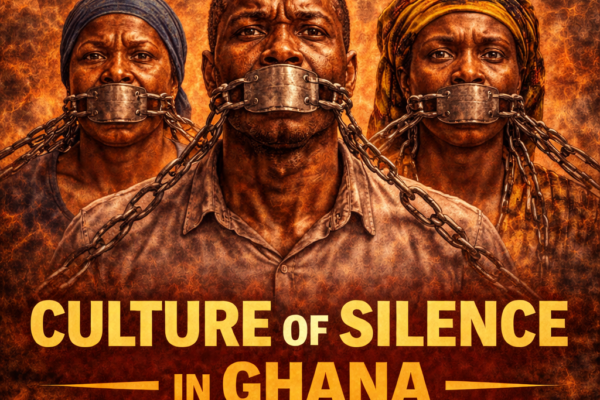
Culture of Silence and Endurance in Ghanaian Society

An observable feature of Ghanaian social life is a recurring tendency toward silence in moments that might otherwise call for resistance or confrontation. Even when individuals experience clear forms of mistreatment, there is often a strong social and cultural pull toward restraint rather than action. People are frequently encouraged to endure, to exercise patience, and…

Read More

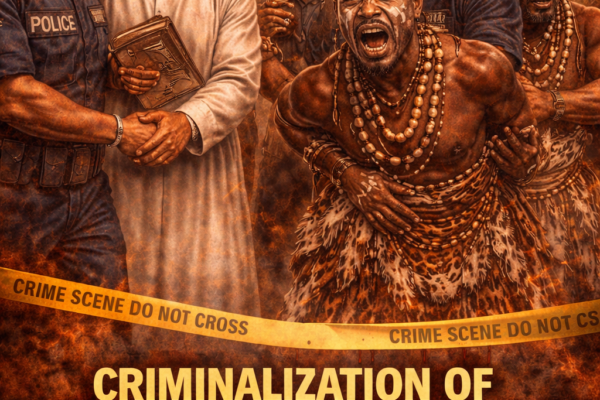
Criminalizing Witchcraft Accusations in Ghana: Prospects, Limits, and the Logic of Deterrence

Introduction The question of whether the criminalization of witchcraft accusations would have any meaningful impact in Ghana requires careful and systematic analysis. At present, witchcraft accusations are largely non-criminal, meaning there are no specific laws prohibiting individuals from accusing others of being witches. As a result, those who make such accusations do not face arrest,…

Read More

How Colonialism, Christianity, and Missionary Education Destroyed African Culture and Transformed Africans

With colonialism came missionaries who sought to convert Africans to Christianity and, in the process, reshape African ways of life. This encounter was not culturally neutral. It involved a systematic attempt—sometimes subtle, often overt—to redefine African identity, values, and social institutions. While missionary education brought literacy and formal schooling, it also carried profound cultural consequences…

Read More

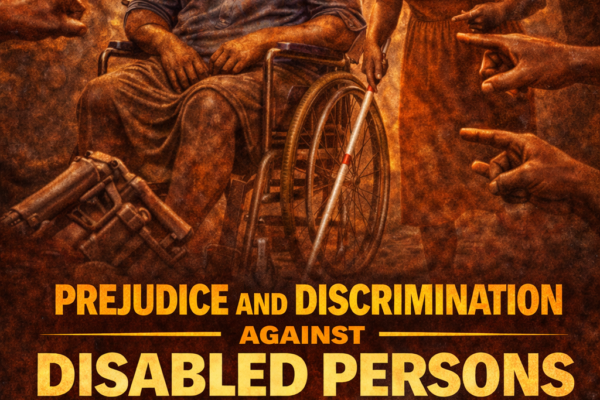
Prejudice and Discrimination Against Disabled People in Ghana

In every society, including Ghana, there exist disabled people living with various forms of disability. These disabilities take many shapes and forms. Some are physical, affecting mobility, sight, hearing, or bodily function. Others are mental or psychological, influencing cognition, emotional regulation, or social interaction. Disability is not confined to any particular group in society; it…

Read More

Mensah Adinkrah: A Preeminent Kwahu Scholar of Global Distinction

Origins and Cultural Heritage Professor Dr. Mensah Adinkrah, Professor of Sociology, Criminology, and Criminal Justice, is a native of Kwahu-Nkwatia in the Eastern Region of Ghana. Kwahu (also rendered as Kwawu) refers both to a geographical area and to a distinct Akan subgroup inhabiting the region. The Kwahu are part of the larger Akan people…

Read More

Marxism and Marxist Criminology

Marxism, as developed by Karl Marx and Friedrich Engels, is a theoretical framework that seeks to explain the organization, functioning, and transformation of society, particularly under conditions of capitalism. Class Structure: Bourgeoisie and Proletariat At the center of Marxist analysis is a distinction between two primary social classes: the bourgeoisie and the proletariat. The bourgeoisie…

Read More

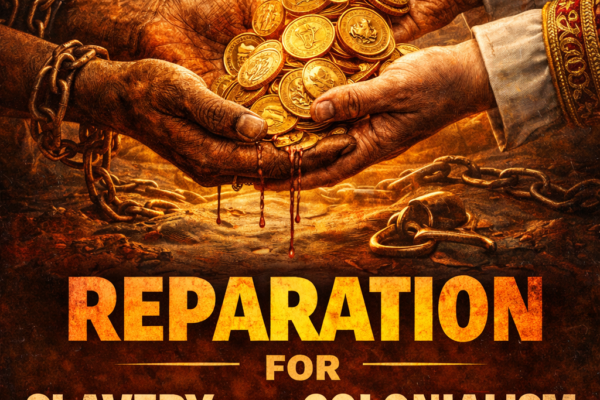
The Case for Reparation: Reparative and Restorative Justice Are Neither New nor Novel

“Reparation” as an idea or concept refers to the act of making amends for a wrong or injury—especially by providing compensation, restitution, or other forms of redress to those who have been harmed. In its simplest sense, reparation means “repairing the damage” caused by an injustice. In more formal or scholarly terms, reparation can take…

Read More