



What is the Adinkra Cloth in Ghana? History and Social Significance

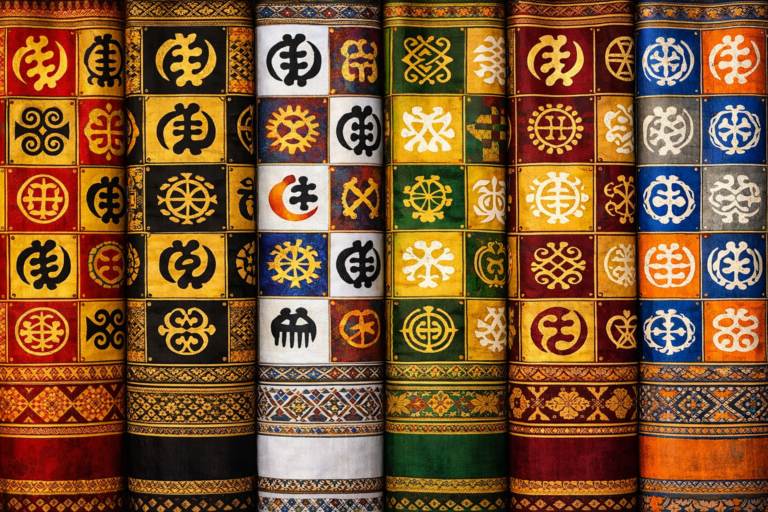
Introduction Adinkra cloth is one of the most important traditional textiles of Ghana and a significant cultural expression among the Akan people, particularly the Asante. Unlike Kente cloth, which is woven, Adinkra cloth is made by stamping symbolic designs onto fabric using special dyes. The cloth is famous for the numerous Adinkra symbols printed on…
Read More

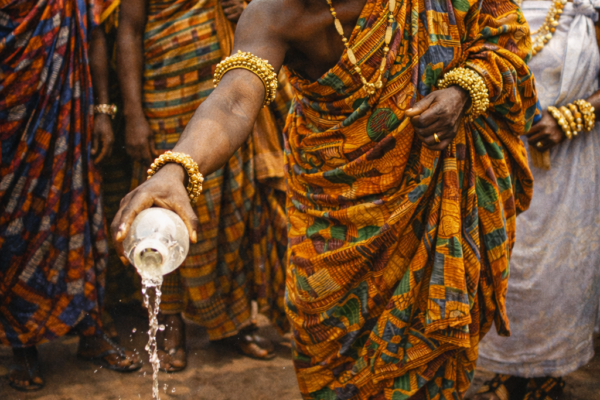
Pouring Libation in Akan Society

Among the Akan people of Ghana, pouring libation is one of the most important traditional religious practices. It is a solemn ritual through which people communicate with the spiritual world. The act symbolizes reverence for the ancestors, recognition of the Supreme Being, and a request for protection, blessings, and guidance in the affairs of life….

Read More

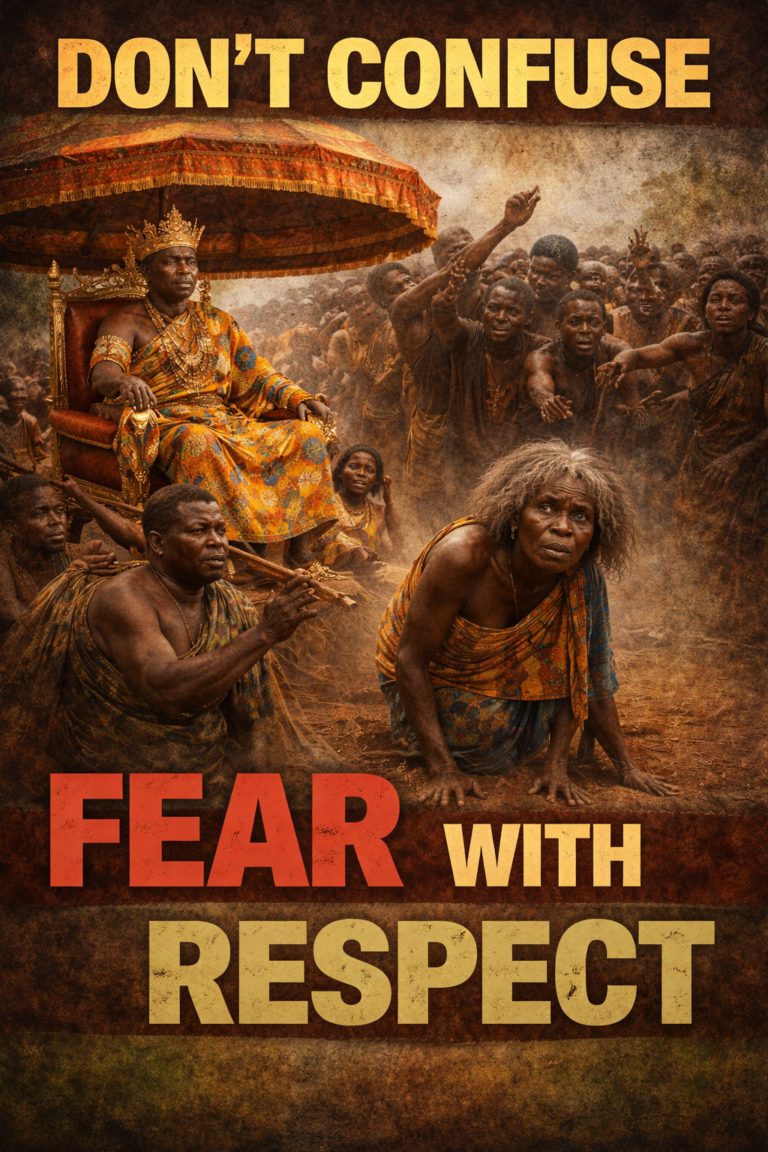
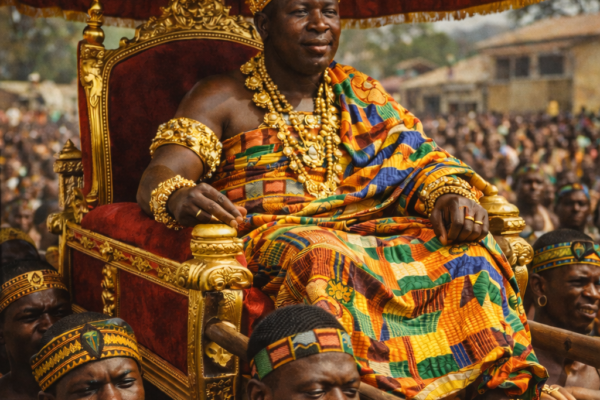
Why Akan Chiefs Are Carried in Palanquins

The Akan of GhanaThe Akan are an ethnic group that live in Ghana. They occupy a broad stretch of territory extending from the coastal areas to the central forest belt of the country. Historically and culturally, the Akan constitute one of the largest ethnolinguistic groups in Ghana and share closely related languages, traditions, and social…

Read More

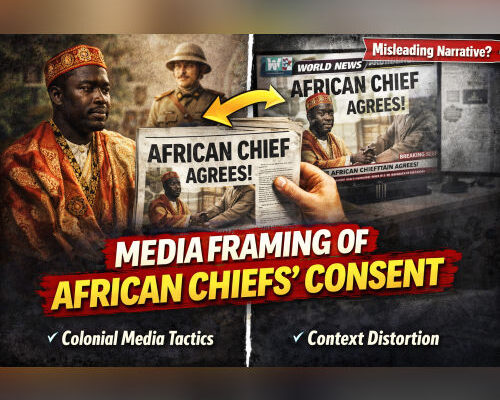
Media Framing of African Chiefs’ Consent

The concept of “chiefs’ consent” occupies a central place in the colonial history of the Gold Coast, present-day Ghana. Throughout the nineteenth and early twentieth centuries, colonial authorities frequently claimed that African chiefs willingly agreed to treaties, land concessions, and administrative reforms that facilitated British control. Newspapers—both colonial and African-run—played a decisive role in shaping…

Read More

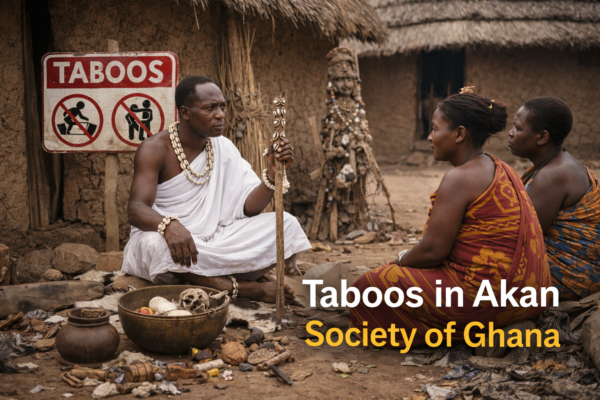
Taboos in Akan Society of Ghana

The Akan constitute one of the major ethnic groups in Ghana, accounting for approximately 46 percent of the national population. They speak Twi, a language that is understood and spoken by nearly 90 percent of the country’s population. The Akan are made up of several subgroups, including the Asante, Fante, Akuapem (Akwapim), Akyem (Akim), Brong,…

Read More

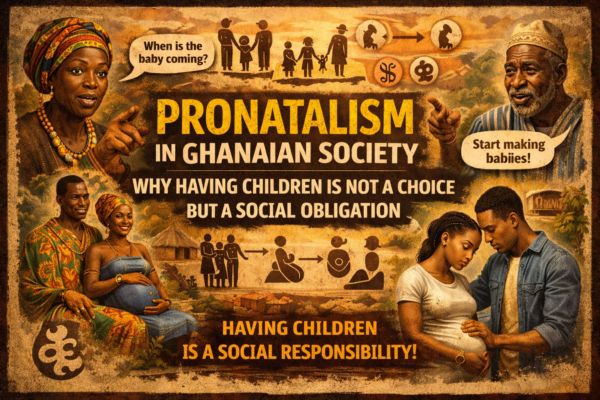
Pronatalism in Ghanaian Society: Why Having Children Is Not a Choice but a Social Obligation

Pronatalism refers to a strong cultural and social preference for having children, often accompanied by expectations that adults should reproduce as a normal and desirable life course. In Ghanaian society, having one’s own child is not merely a personal choice; it is widely regarded as a social obligation. Adulthood is culturally incomplete without parenthood, and…

Read More

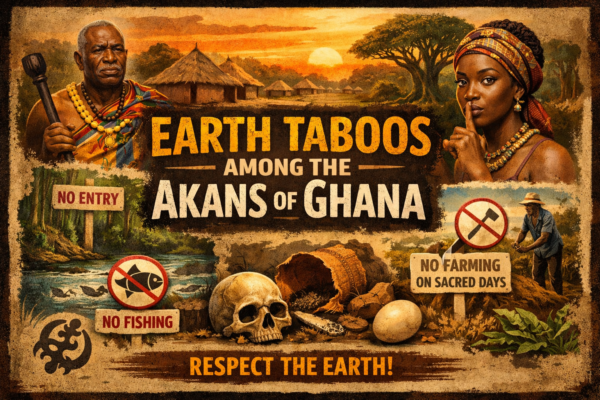
Earth Taboos Among the Akans of Ghana: Asaase Yaa Must Not Be Defiled

A taboo is an act so deeply forbidden that it provokes moral outrage, fear, or spiritual anxiety when violated. Taboos are cultural universals: every society draws invisible lines that must not be crossed. Yet these lines are not the same everywhere. What one society condemns as unthinkable may be ordinary or morally neutral in another….

Read More

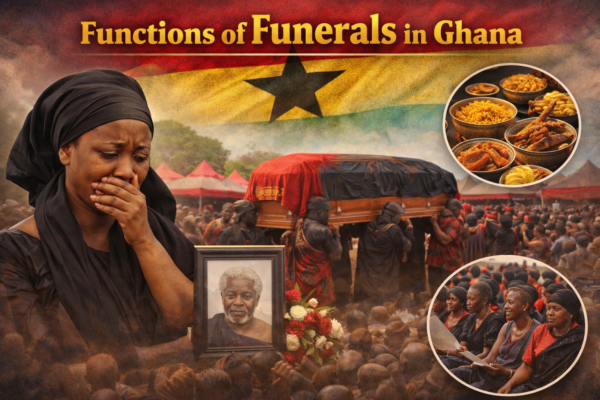
Functions of Funerals in Akan Society of Ghana

Among the Akan people of southern Ghana, funerals are more than ceremonies—they are profound cultural, spiritual, and social events that reflect the community’s understanding of life, death, and the afterlife. Central to Akan beliefs is the conviction that life continues after death. While the body decomposes, the spirit embarks on a journey to Asamando, the…

Read More

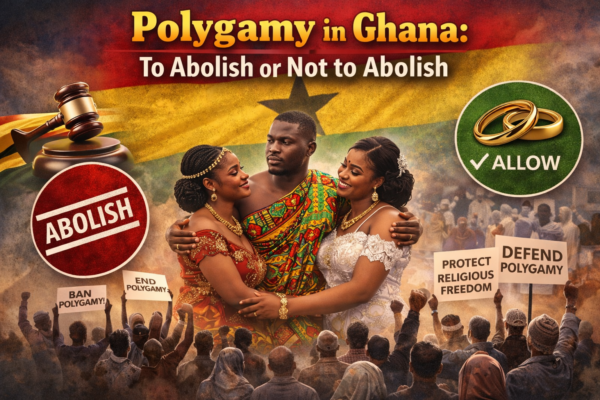
Polygamy in Ghana: To Abolish or Not to Abolish?

Polygamy refers to a marital arrangement in which a person is permitted to have two or more spouses at the same time. Although the term polygamy is often used loosely in everyday conversation, sociologists and anthropologists make important distinctions among its different forms. There are two main types of polygamy. The first, and by far…

Read More

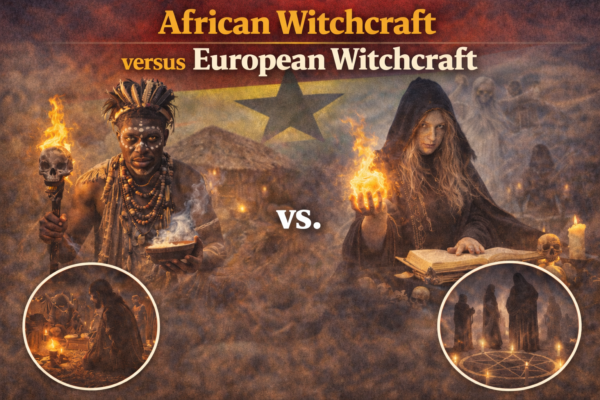
African Witchcraft Versus European and American Witchcraft

African witchcraft versus European witchcraft have been the focus of local discussions about witchcraft in Ghana for many years. During the period of European colonization, westernization, and the early stages of modernization, people in the Gold Coast (now Ghana) struggled to explain the wide gap in development between Africans and Europeans. Many ordinary people asked…

Read More

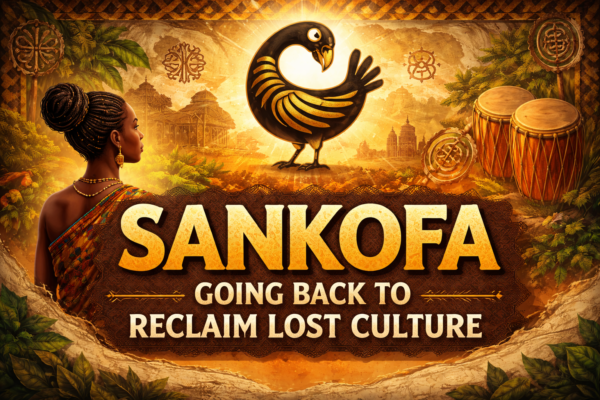
Sankofa: Going Back to Reclaim Lost Culture

Culture refers to the total way of life of a people. It encompasses both material and non-material elements. Material culture consists of tangible aspects that can be seen and touched, such as cooking practices, eating utensils, earthenware, palanquins, drums, and idiophones. Non-material culture, by contrast, includes intangible elements such as language, music, art, religion, dance,…

Read More

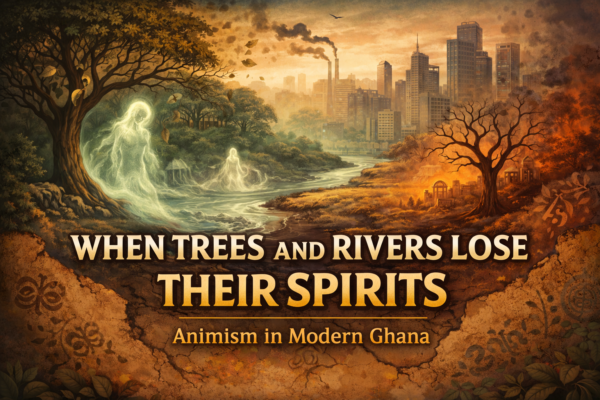
When Trees and Rivers Lose Their Spirits: Animism in Modern Ghana

Animism is the belief that the environment and society are populated with spirits. Many Ghanaians hold animistic beliefs, maintaining that their surroundings are inhabited by spiritual beings. Some of these spirits are believed to be benevolent, while others are considered malevolent. Animistic beliefs are widespread across Ghana’s ethnic groups. Even Ghanaians who identify as Christian…

Read More

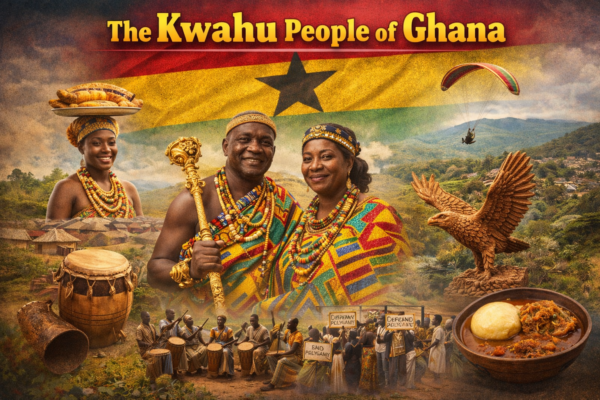
The Kwahu People of Ghana

Ghana is a multiethnic and multilingual country, home to numerous ethnic groups with distinct histories and cultural traditions. Among these groups are the Kwahu people, one of the many subgroups within the larger Akan ethnic group. The Kwahu are primarily located in the Eastern Region of Ghana. Their largest town, Nkawkaw, lies approximately 66 miles…

Read More