

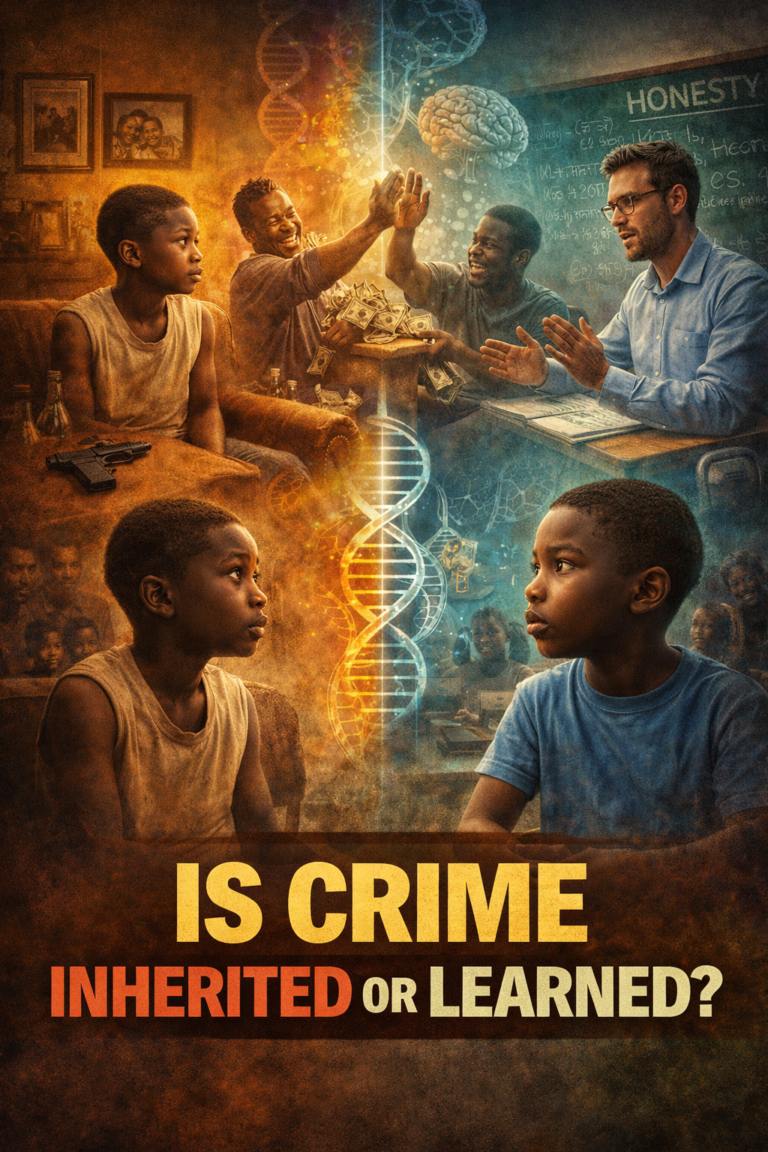





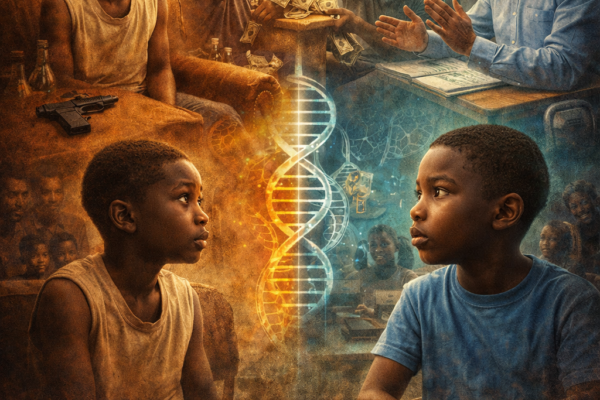
Are Criminals Born or Made?

Are people born criminals, or do they learn to become criminal? Is there a “crime gene”? Can criminal behavior be inherited, or do people have control over their actions? These questions have intrigued scholars, parents, and the public for decades. Some people assume that crime is inherited. They look at families where multiple members have…
Read More

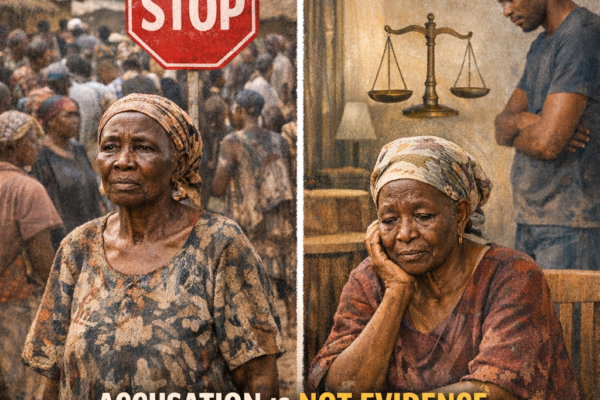
Allegations of Witchcraft Are Not a Matter for Northern Ghanaians Alone

Recent reports in the Ghanaian media have once again drawn attention to a disturbing and persistent problem: the murder, attempted murder, and lynching of women accused of practicing witchcraft. These incidents are often shocking in their brutality and tragic in their consequences. They also raise an important question: Are witchcraft accusations a problem confined to…

Read More

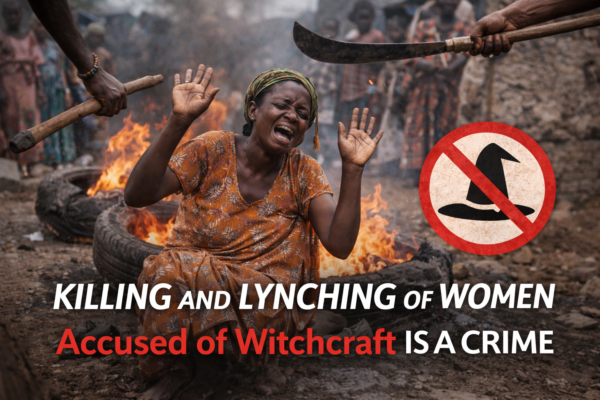
Killing and Lynching of Women Accused of Witchcraft is a Crime

Violence against persons accused of witchcraft remains a troubling reality in parts of Ghana. Although our nation prides itself on hospitality, communal solidarity, and deep respect for human dignity, allegations of witchcraft too often trigger acts of cruelty that contradict these cherished values. It is time to speak plainly: killing or lynching a person accused…

Read More

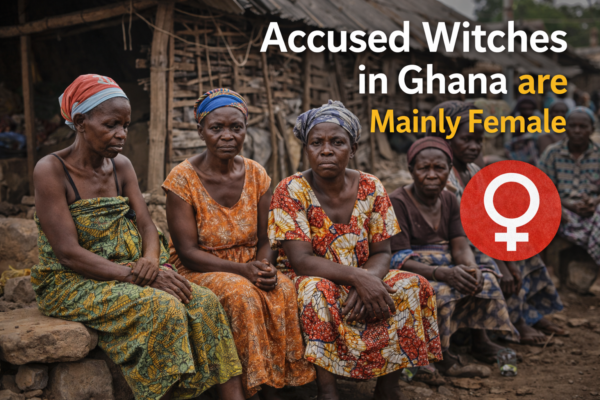
Why Are Ghanaian “Witches” 99% Female?

In Ghana, the overwhelming majority of people accused of witchcraft are women and girls. Nearly all victims killed during witch hunts are female. In the so-called “witch camps” or “outcast homes” in northern Ghana, it is rare to find a man among the residents. The population is almost entirely women—elderly women, widows, divorced women, poor…

Read More

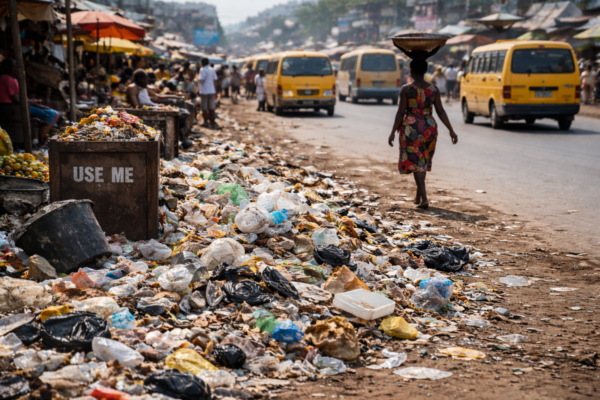
Littering in Ghana: An Environmental Nuisance and a Public Health Threat

Littering is a serious problem in Ghana. Across cities, towns, and rural communities, many people indiscriminately throw away empty drink bottles, plastic containers, plastic wraps, paper, and leftover food on the ground. Streets, gutters, open spaces, and markets are increasingly turned into informal dumping grounds. Beyond its environmental impact, littering is an aesthetic blight. It…

Read More

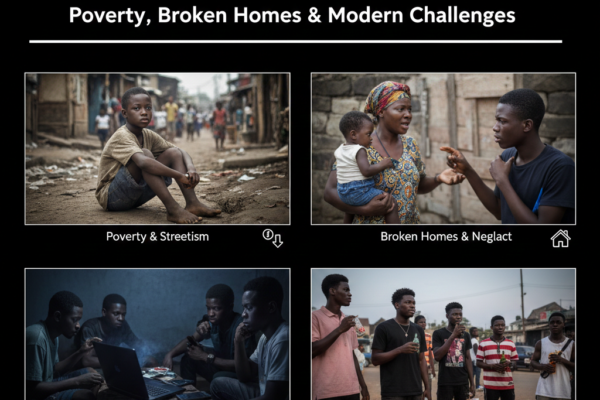
Causes of Juvenile Delinquency in Ghana

Children and the Future of the Nation Children are the future of every society. When a nation fails to nurture and guide its children properly, it mortgages its own future. Ghana today faces a troubling situation: unless deliberate efforts are made to mould children into disciplined, responsible, and law-abiding citizens, the consequences will be felt…

Read More

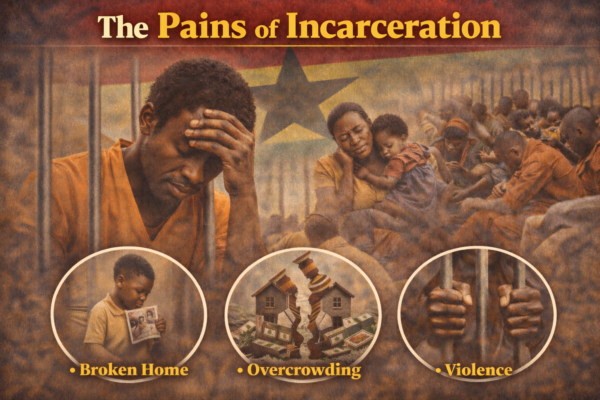
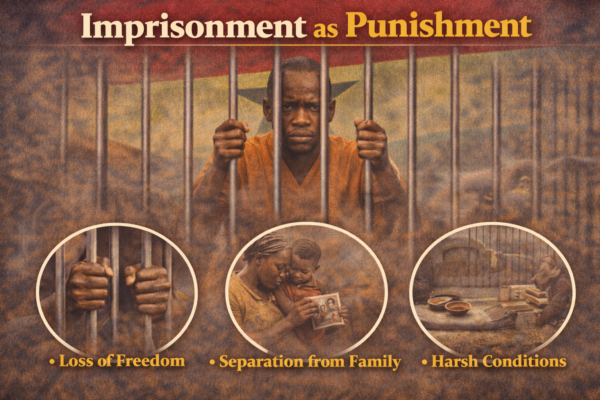
The Pains of Incarceration in Ghana: What Prison Really Means

Imprisonment, also known as incarceration, is one of the most severe penalties imposed by courts in Ghana and elsewhere. Judges and magistrates have several sentencing options at their disposal, including fines, probation, community service, and custodial sentences. Prison is usually reserved for people convicted of serious offences such as robbery, burglary, aggravated assault, and murder….

Read More

The Pains of Imprisonment

Imprisonment is one of the most common punishments for crime in many societies, including Ghana. It is also known as incarceration. While courts have several options for punishing offenders—such as fines, probation, or community service—prison sentences are usually reserved for serious crimes like robbery, burglary, aggravated assault, and murder. Incarceration is often misunderstood. People sometimes…

Read More

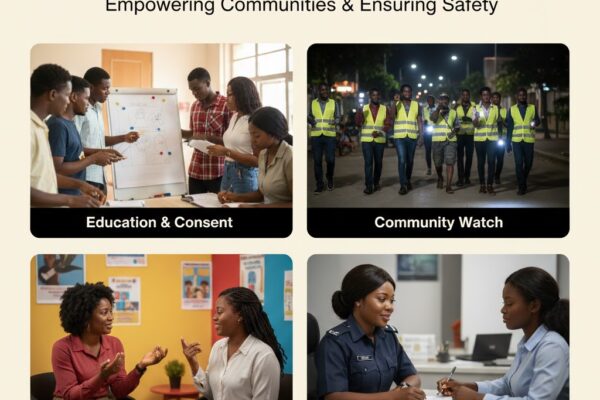
Rape and Sexual Assault in Ghana: Understanding the Crime and the Law

Rape and sexual assault are among the most serious crimes in Ghana, leaving victims with profound physical, emotional, and psychological scars. Despite public awareness campaigns and media reporting, sexual violence continues to occur in society, highlighting the urgent need for vigilance, education, and justice. Sex is meant for two consenting adults. Consent is not just…

Read More

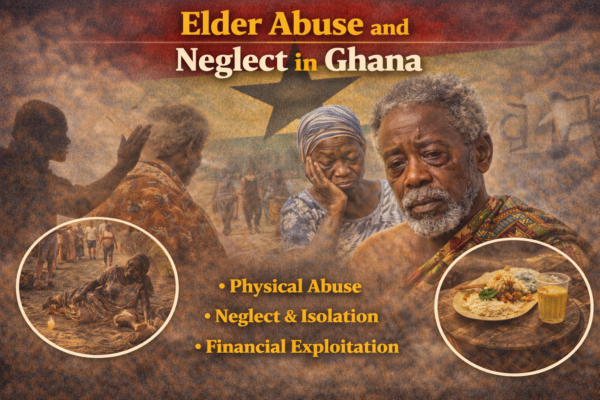
Neglect and Abuse of the Elderly in Ghana

Ghanaian society traditionally values respect for the elderly. Older people are regarded as repositories of wisdom, custodians of tradition, and moral anchors of the family. Yet beneath this ideal lies a troubling reality: many elderly persons in Ghana experience neglect, abuse, and profound social vulnerability. Elderly neglect refers to the failure of family members, caregivers,…

Read More

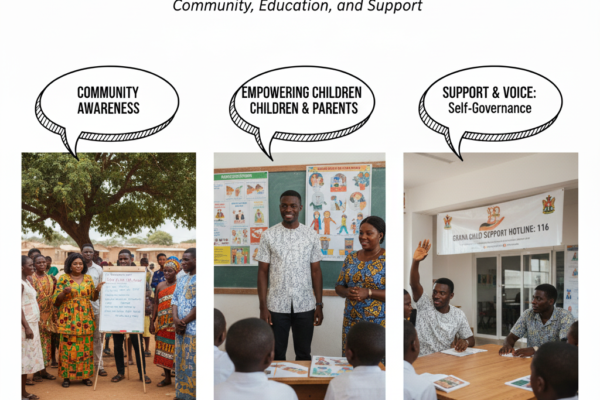
Causes of Child Abuse in Ghana

Every year, thousands of children in Ghana suffer abuse at the hands of those entrusted with their care—parents, guardians, and relatives. Reports of battered, neglected, and traumatized children frequently appear in the Ghanaian mass media, often accompanied by disturbing images and heartbreaking details. In many cases, the abuse results in severe physical injuries; in others,…

Read More

The Effects of Wife-Beating in Ghana

When Two Elephants Fight, the Earth Underneath Suffers Marriage is ideally meant to be a source of companionship, love, and emotional security between husband and wife. Yet in Ghana, as in many societies across the world, the promise of marital bliss is too often shattered by domestic violence, particularly wife-beating. While both men and women…

Read More

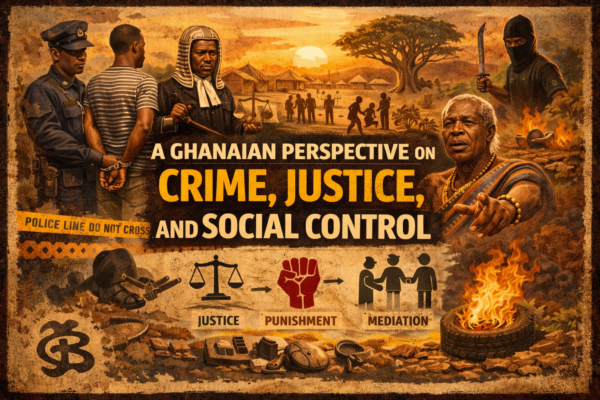
A Ghanaian Perspective on Crime, Justice, and Social Control

Punishment is a central feature of every organized society, including Ghana. While rewards are designed to encourage conformity and socially approved behavior, punishment exists to negatively sanction deviant behavior. When individuals act in ways that align with societal norms, they are often rewarded through praise, status, social recognition, or material benefits. When they violate those…

Read More

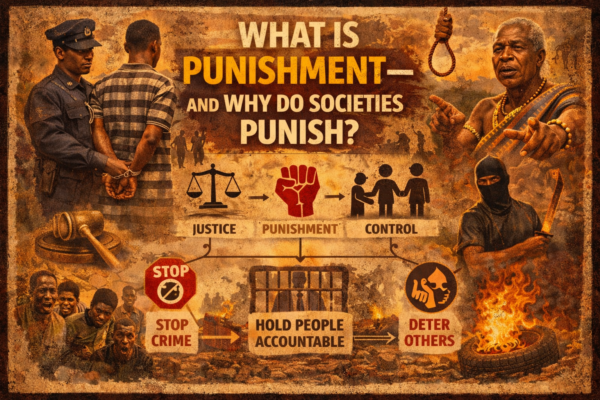
What Is Punishment—and Why Do Societies Punish?

Punishment is a central feature of every organized society. While rewards are designed to encourage conformity and socially approved behavior, punishment exists to negatively sanction deviant behavior. When individuals act in ways that align with societal norms, they are often rewarded through praise, status, or material benefits. When they violate those norms, society—or its authorized…

Read More

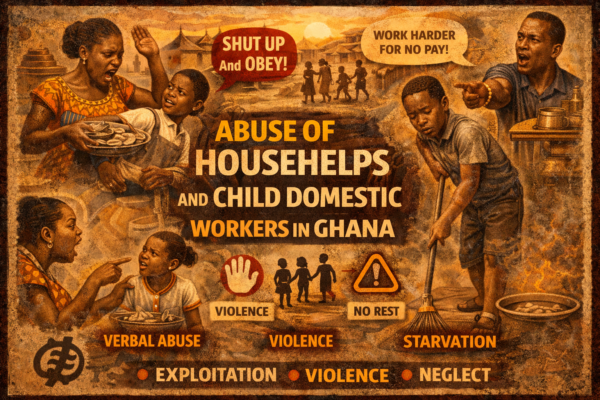
Abuse of Househelps in Ghana: The Hidden Struggles of Child Domestic Workers

In Ghana, there exists a long-standing practice in which some parents send their children to live with other families as househelps. While this arrangement is often justified as a strategy for providing children with better opportunities, it has, in many cases, become a source of profound exploitation and suffering. Many of these children are sent…

Read More