




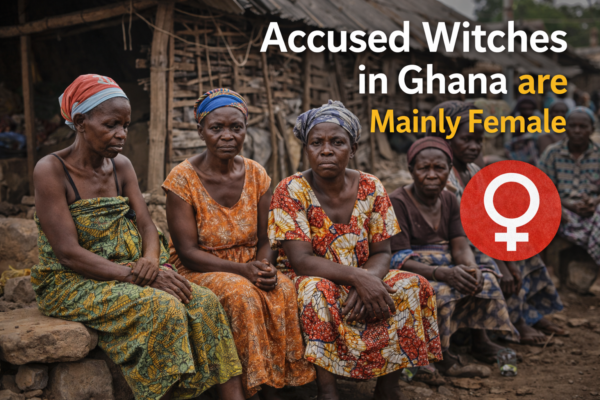
Why Are Ghanaian “Witches” 99% Female?

In Ghana, the overwhelming majority of people accused of witchcraft are women and girls. Nearly all victims killed during witch hunts are female. In the so-called “witch camps” or “outcast homes” in northern Ghana, it is rare to find a man among the residents. The population is almost entirely women—elderly women, widows, divorced women, poor…
Read More

Feminism Should Not Frighten Us

Feminism Is Not a Dirty Word Sexism is wrong. It is prejudice and discrimination against people because of their sex or gender. In many societies, including Ghana, sexist attitudes are often directed at women and girls. These attitudes show up in everyday behavior—how women are spoken to, how their abilities are questioned, and how their…

Read More

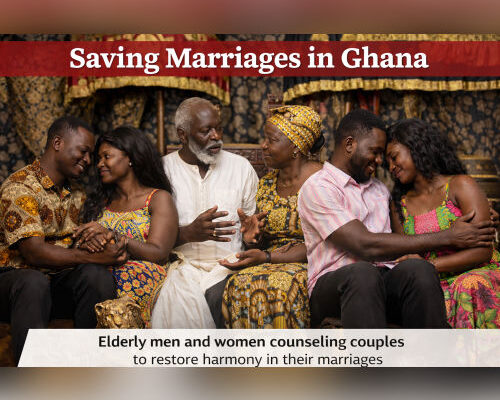
Saving Marriages and Reducing the High Rate of Divorce in Ghana

In the past, Ghanaian marriages endured. Separation was rare and divorce uncommon. Today, however, marriages are dissolving at an alarming rate. The critical question is this: what can be done to fortify marriages and restore their durability? Many of the challenges confronting contemporary marriages stem from the abandonment of practices that once stabilized marital unions….

Read More

Rising Divorce in Ghana: Why Many Marriages Are Failing

In the past, Ghanaian marriages were widely regarded as enduring unions. Separations were rare, and divorce was uncommon. Marriages were expected to last a lifetime, sustained not only by the couple but also by their extended families and lineages. Today, however, the situation has changed dramatically. Marital breakdowns are increasingly common, and divorce has become…

Read More

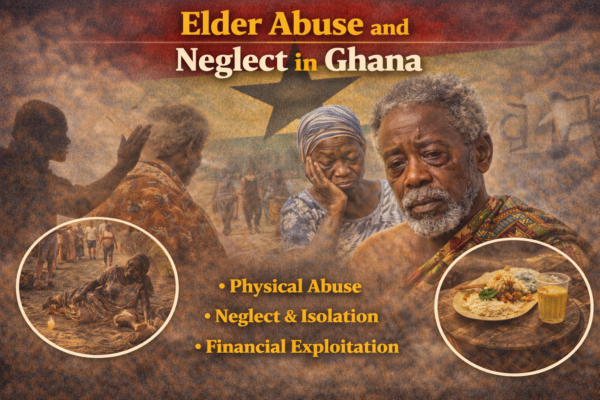
Neglect and Abuse of the Elderly in Ghana

Ghanaian society traditionally values respect for the elderly. Older people are regarded as repositories of wisdom, custodians of tradition, and moral anchors of the family. Yet beneath this ideal lies a troubling reality: many elderly persons in Ghana experience neglect, abuse, and profound social vulnerability. Elderly neglect refers to the failure of family members, caregivers,…

Read More

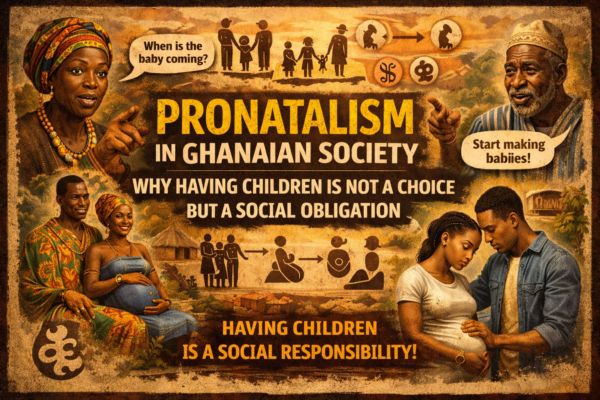
Pronatalism in Ghanaian Society: Why Having Children Is Not a Choice but a Social Obligation

Pronatalism refers to a strong cultural and social preference for having children, often accompanied by expectations that adults should reproduce as a normal and desirable life course. In Ghanaian society, having one’s own child is not merely a personal choice; it is widely regarded as a social obligation. Adulthood is culturally incomplete without parenthood, and…

Read More

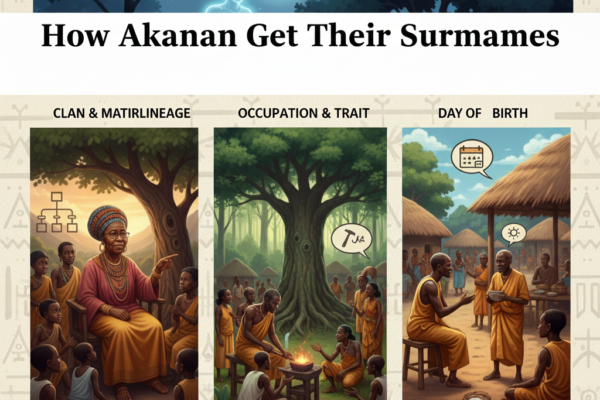
Akan Surnames: Heritage, Identity, and the Power of Names

Among the Akan people of Ghana, names are more than labels—they are living symbols of heritage, identity, social bonds, and spiritual connection. Akan naming traditions reflect a society where lineage, ancestry, and morality are woven into the very words that identify a person. Origins of Akan Surnames Although the Akans are a matrilineal society, it…

Read More

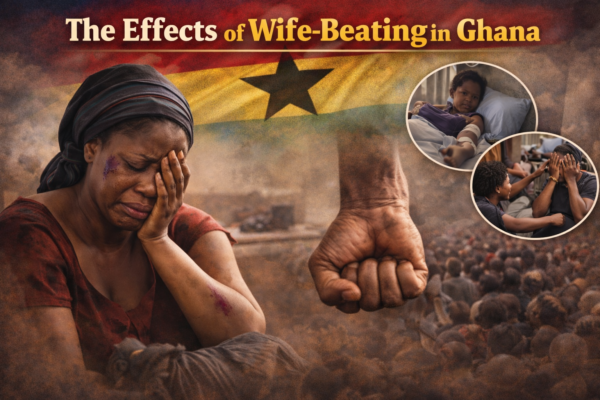
The Effects of Wife-Beating in Ghana

When Two Elephants Fight, the Earth Underneath Suffers Marriage is ideally meant to be a source of companionship, love, and emotional security between husband and wife. Yet in Ghana, as in many societies across the world, the promise of marital bliss is too often shattered by domestic violence, particularly wife-beating. While both men and women…

Read More

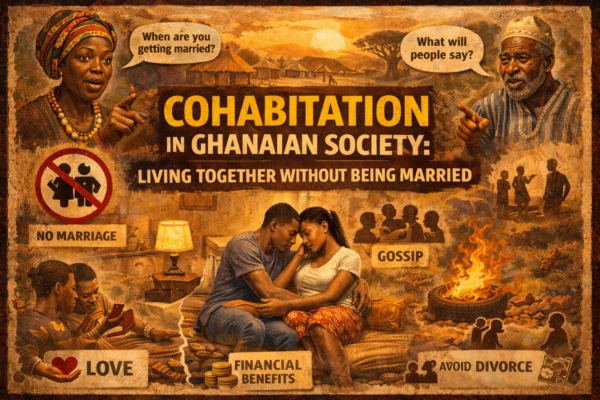
Cohabitation in Ghanaian Society: Living Together Without Being Married

Cohabitation refers to an intimate arrangement in which a man and a woman live together in a shared residence without being formally married. While cohabitation has become increasingly common in many contemporary societies, it is generally frowned upon in Akan society and regarded as socially improper. Within the Akan marital system, there is a strong…

Read More

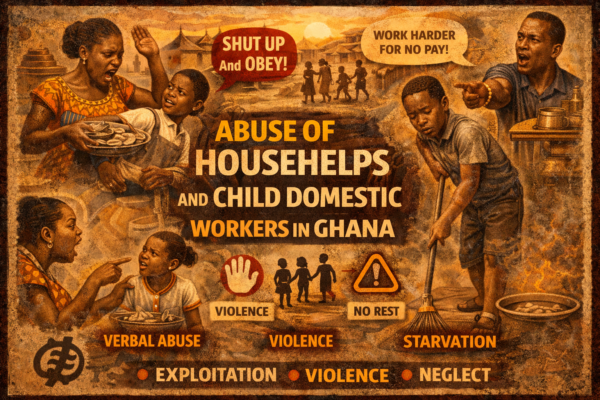
Abuse of Househelps in Ghana: The Hidden Struggles of Child Domestic Workers

In Ghana, there exists a long-standing practice in which some parents send their children to live with other families as househelps. While this arrangement is often justified as a strategy for providing children with better opportunities, it has, in many cases, become a source of profound exploitation and suffering. Many of these children are sent…

Read More

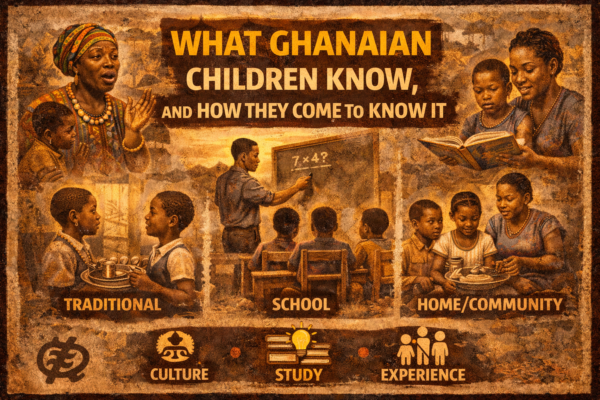
What Ghanaian Children Know, and How They Come to Know It

No one is born with knowledge. Human beings are born with the capacity to learn, but what they eventually know—how they speak, think, behave, believe, and interpret the world—is acquired from society. Knowledge, values, attitudes, and skills are socially produced and socially transmitted. By the time a Ghanaian child reaches the age of eighteen, that…

Read More

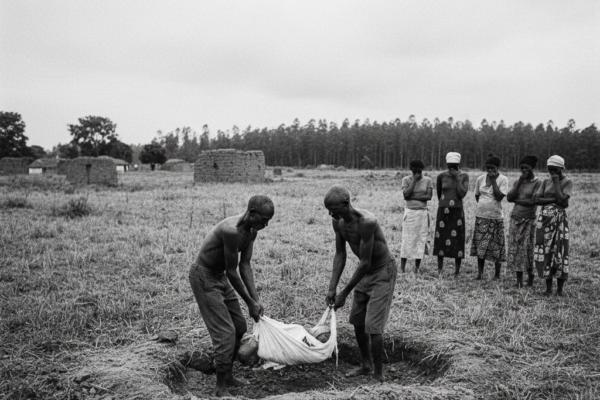
Posthumous Treatment of Accused Witches in Ghana

In many Ghanaian communities, accusations of witchcraft generate intense moral outrage and social hostility. Persons believed to be malevolent witches are frequently subjected to verbal abuse, physical assault, forced displacement, and, in extreme cases, extrajudicial killing (Adinkrah, 2004, 2015). Crucially, however, the sanctioning of alleged witches does not necessarily terminate at biological death. Rather, death…

Read More

How Your Ascribed Status Affects Your Progress in Life

In every society, people occupy different positions called statuses. A status is simply the position a person holds in society. Throughout life, one person can have many statuses at the same time—for example, being a child, a parent, a worker, a student, or a citizen. Sociologists talk about two main types of status: ascribed status…

Read More

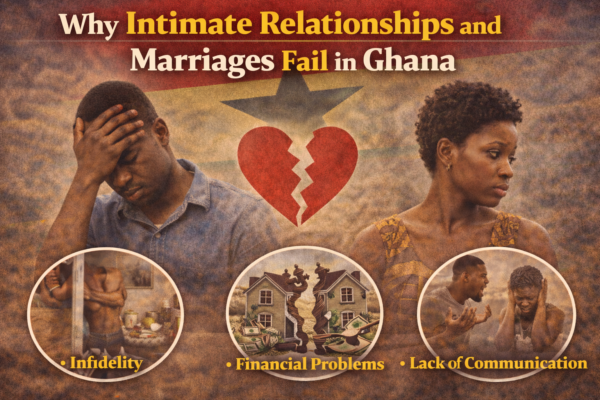
Why Relationships and Marriages Break Down in Ghana

Marital and relationship breakdowns occur for many reasons, and these reasons often vary from one society to another. People enter intimate relationships with specific expectations—emotional, economic, sexual, social, and cultural. When these expectations remain unmet, tensions arise, and relationships may eventually rupture. For this article, I surveyed 28 Ghanaian adults—14 men and 14 women—to better…

Read More

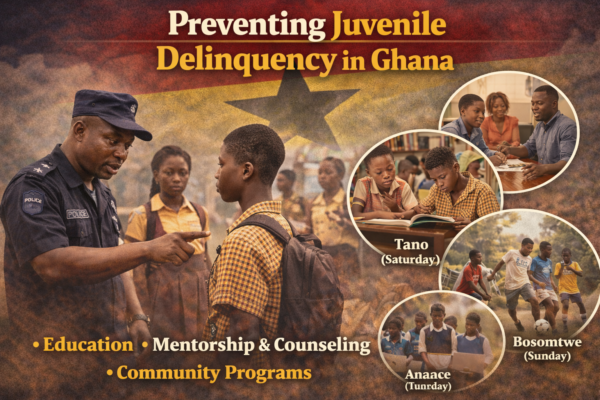
Causes of Juvenile Delinquency in Ghana

Children are the future of every society. Yet Ghana faces a serious challenge if urgent steps are not taken to ensure that today’s children are properly guided and nurtured to grow into law-abiding and responsible citizens. In recent years, there has been a noticeable increase in juvenile delinquency across the country. Many children are skipping…

Read More