



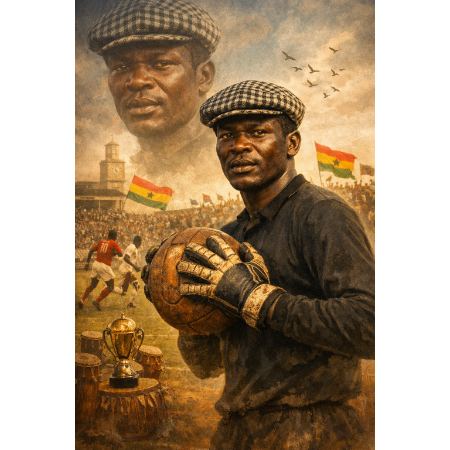


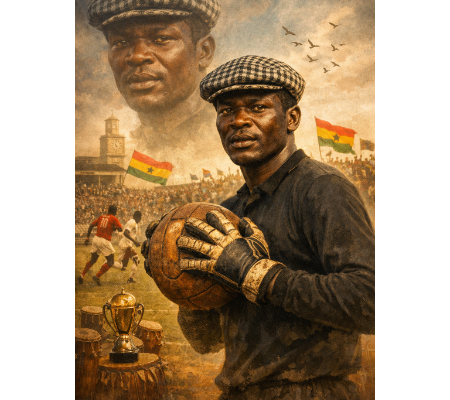
A great figure in Ghanaian football

Robert Mensah: a football story and tragedy

Robert Mensah: A Football Story and Tragedy in the Ghanaian Football In the annals of Ghanaian sporting history, few names evoke as much reverence, myth, and sorrow as Robert Mensah. His story is not merely about football; it is a narrative woven into the socio-cultural fabric of late colonial Gold Coast and early post-independence Ghana—a…

Read More

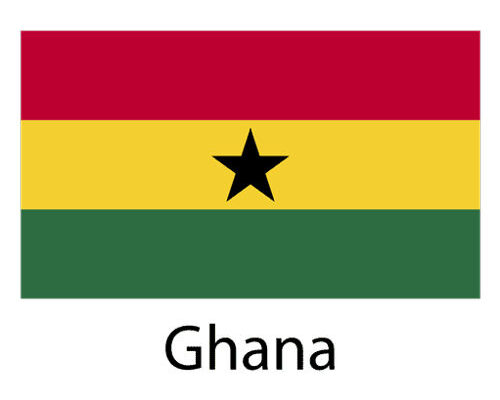
The Ghana National Flag: Symbol of Unity, Freedom, and Heritage

A Historic Emblem of Independence The Ghana national flag is more than a piece of cloth fluttering in the wind; it is a powerful symbol of the country’s history, aspirations, and identity. First officially adopted on March 6, 1957—the same day Ghana became the first African nation to gain independence from colonial rule—the flag reflects…

Read More

Education as a Gateway to Newspaper Consumption

The development of newspaper culture in the Gold Coast—today known as Ghana—was inseparable from the spread of formal education during the nineteenth and early twentieth centuries. Education did far more than teach reading and writing; it fundamentally reshaped social structures, created new intellectual classes, and fostered habits of information consumption. As literacy expanded through mission…

Read More

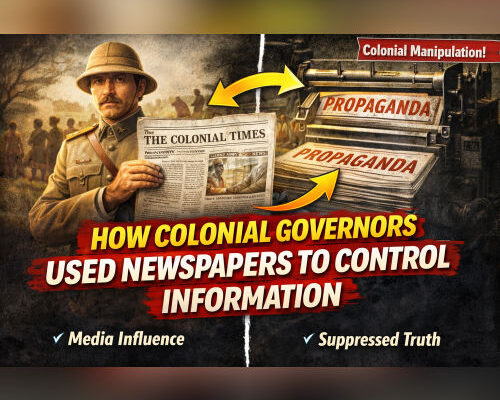
How Colonial Governors Used Newspapers to Control Information

During the colonial period in the Gold Coast—modern-day Ghana—newspapers were not merely instruments of public communication; they were powerful tools of governance and political control. Colonial governors recognized early that controlling the flow of information was essential for maintaining authority, shaping public opinion, and managing resistance. Through censorship laws, strategic propaganda, selective reporting, and alliances…

Read More

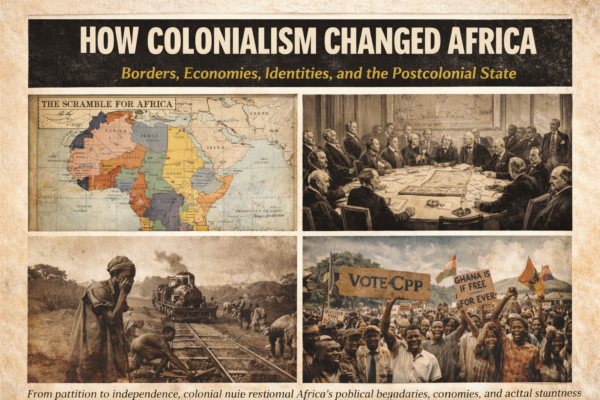
How Colonialism Changed Africa

The Slave Trade and Demographic Devastation When we talk about Africa today—its borders, its languages, its religions, its politics—we are also talking about colonialism. The Africa we know in the twenty-first century did not emerge naturally from the past. It was profoundly shaped by centuries of foreign intrusion, exploitation, and rule. To understand present-day Africa,…

Read More

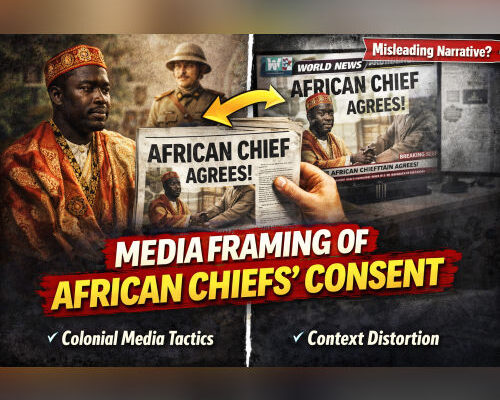
Media Framing of African Chiefs’ Consent

The concept of “chiefs’ consent” occupies a central place in the colonial history of the Gold Coast, present-day Ghana. Throughout the nineteenth and early twentieth centuries, colonial authorities frequently claimed that African chiefs willingly agreed to treaties, land concessions, and administrative reforms that facilitated British control. Newspapers—both colonial and African-run—played a decisive role in shaping…

Read More

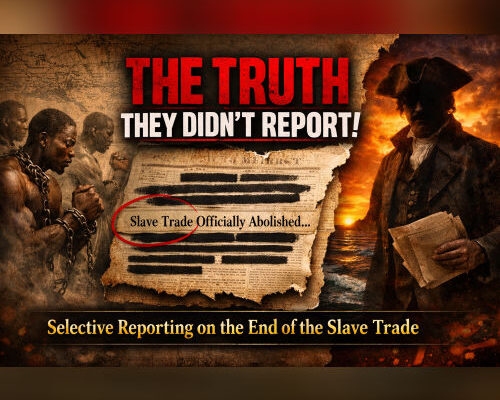
Selective Reporting on the End of the Slave Trade

The end of the trans-Atlantic slave trade in the nineteenth century is often presented in historical narratives as a clear moral victory led by European abolitionists. However, in reality, the process was complex, uneven, and frequently misrepresented—particularly in early newspapers and colonial reports. In the region now known as Ghana, selective reporting played a crucial…

Read More

Slavery, Abolition, and How Newspapers Framed the Narrative

The history of slavery and abolition in the area now known as Ghana is deeply intertwined with global economic systems, imperial expansion, African political structures, and the emergence of print journalism as a powerful instrument of public opinion. From the fifteenth century through the nineteenth century, slavery evolved from localized systems of servitude into a…

Read More

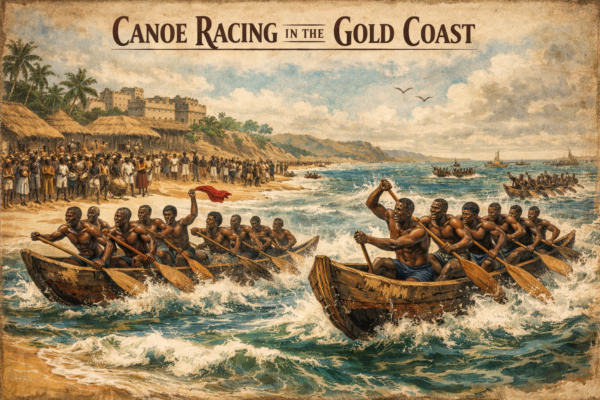
Recreational Canoe Racing Among Early Coastal Settlements in the Pre-Colonial Gold Coast

The Atlantic as Living Arena Along the Atlantic edge of the pre-colonial Gold Coast, long before European forts punctuated the shoreline, the sea was already a theatre of movement, daring, and communal pride. The coastal societies of present-day Ghana—particularly the Fante, Ga, and related Akan maritime communities—did not encounter the ocean as a boundary. They…

Read More

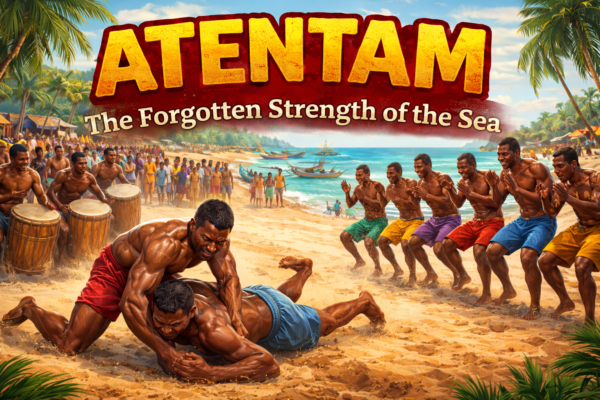
Indigenous Physical Games Played by Fante Fishermen Along the Coast

Along the wind-carved coastline of southern Ghana, among the Fante, physical games were never idle diversions. They were social rehearsals—training grounds for endurance, hierarchy, and communal rhythm. Two in particular—Atentam and Osibir—stand out in the historical record. Atentam derives from the Fante/Akan root tam, meaning “to push,” “to press,” or “to force against.” The prefix…

Read More

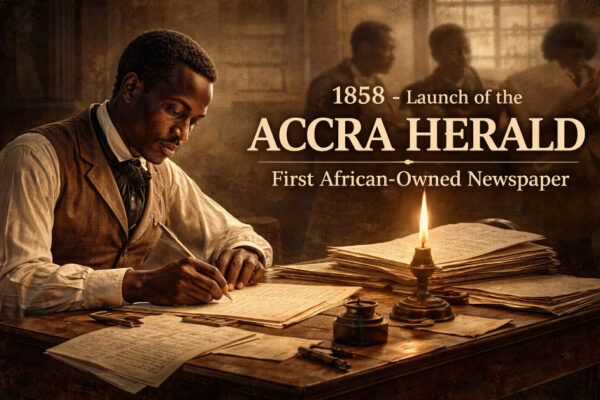
Mid-19th Century Press Expansion (1858–1874)

In 1858, Charles Bannerman — the son of a British lieutenant governor and an Asante princess — founded the Accra Herald, recognized as the first African-produced newspaper in West Africa. Unlike the colonial-run press, this handwritten paper reached primarily African readers, circulating among some 300 subscribers. It focused on local issues, social commentary, and matters…

Read More

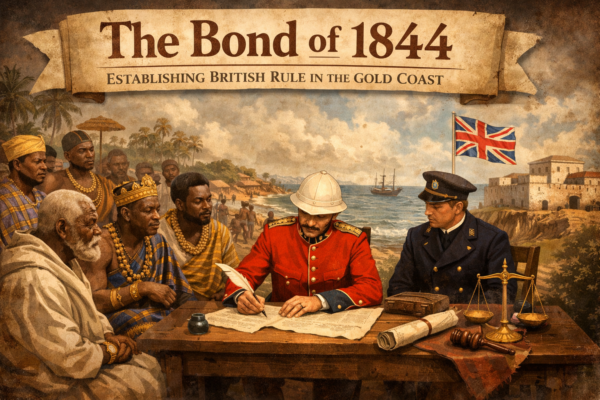
The Bond of 1844 and the Establishment of British Judicial Authority in the Gold Coast

📰 Covered later by: Gold Coast Gazette, missionary newsletters The signing of the Bond of 1844 between Fante chiefs and the British Crown formalized colonial judicial authority in the Gold Coast. Though newspapers were limited at the time, later colonial press publications referenced the Bond as the legal cornerstone of British rule, shaping editorial narratives…

Read More

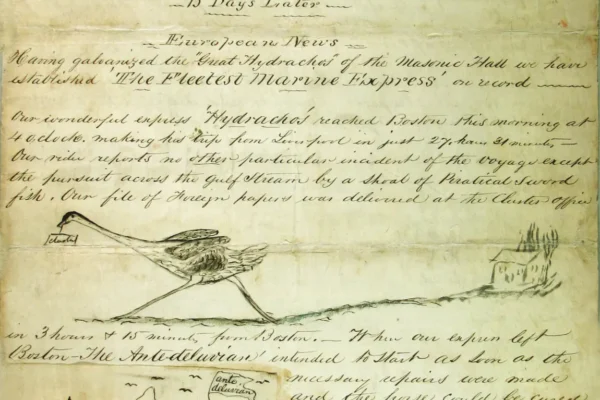
1822 — Birth of the Gold Coast Press

Royal Gold Coast Gazette & Commercial Intelligencer 📰 Newspaper: Royal Gold Coast Gazette📍 Location: Cape Coast In 1822, the British colonial administration introduced the Royal Gold Coast Gazette & Commercial Intelligencer, marking the birth of journalism in the Gold Coast. The handwritten paper served colonial officers, merchants, and missionaries, publishing shipping schedules, trade notices, and…

Read More

The Struggle for Self-Governance — Ghana’s Most Important Idea from the Gold Coast Era to Today

If there is one idea that has mattered more to Ghana than any other from the Gold Coast era to the present, it is the struggle for self-governance and accountable leadership. From colonial domination to modern democracy, Ghana’s history has been shaped by a single, powerful question: Who governs us, and in whose interest? This…

Read More

Corruption: A Lingering Social Issue from the Gold Coast Era to Modern Ghana

Corruption remains one of the most enduring social challenges confronting Ghana. Its roots stretch back to the colonial Gold Coast era (1821–1957) and continue to influence governance, public trust, and national development today. Understanding this long history is essential to appreciating why corruption has proven so difficult to eradicate. Corruption During the Gold Coast Era…

Read More