
Early Signs of State Control Over Media

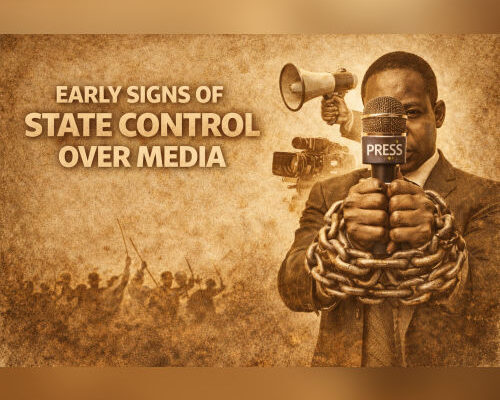
The early years of Ghana’s independence, particularly between 1957 and the mid-1960s, reveal the gradual emergence of state control over the media. While independence initially generated optimism about press freedom, archival newspaper records, government policies, and editorial patterns show that signs of state influence appeared almost immediately. These early developments shaped the long-term trajectory of…
Read More

The Ghana National Flag: Symbol of Unity, Freedom, and Heritage

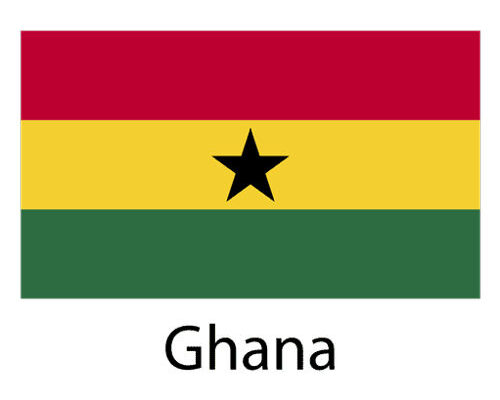
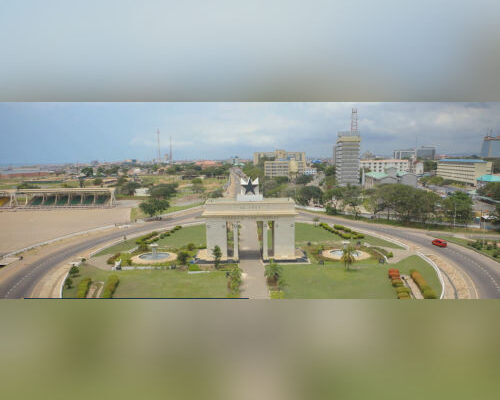
A Historic Emblem of Independence The Ghana national flag is more than a piece of cloth fluttering in the wind; it is a powerful symbol of the country’s history, aspirations, and identity. First officially adopted on March 6, 1957—the same day Ghana became the first African nation to gain independence from colonial rule—the flag reflects…

Read More

Public Expectations in the First Days of Independence

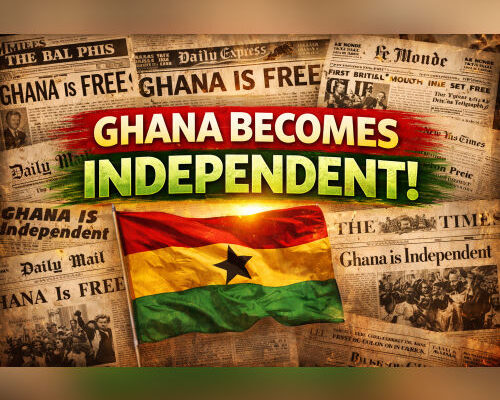
When the Gold Coast achieved independence on March 6, 1957, becoming Ghana, the event generated immense public excitement and hope. For millions of Ghanaians, independence was not merely a constitutional change—it represented the promise of economic prosperity, political empowerment, social transformation, and a new national identity. Newspapers, political speeches, and public celebrations of the time…

Read More

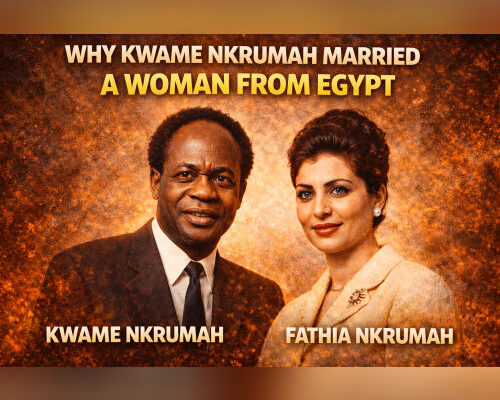
Why did Kwame Nkrumah marry a woman from Egypt?   

For many years, this question has generated curiosity, debate, and speculation. But the answer lies not only in romance. It lies in politics, diplomacy, and a bold continental vision during one of the most transformative periods in African history. When Ghana gained independence from Britain on March 6, 1957, Kwame Nkrumah stood at the center…

Read More

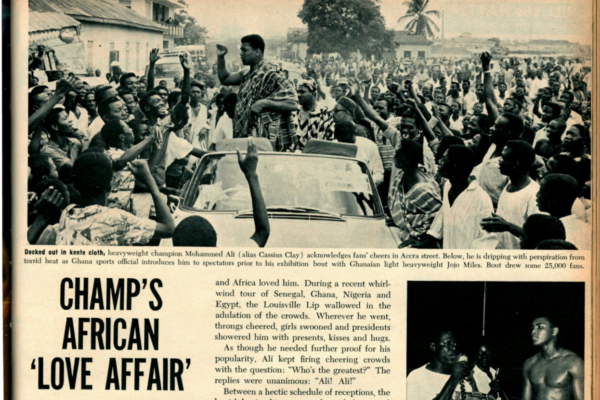
Muhammad Ali’s Visit to Ghana: When “The Greatest” Came Home:

In 1964, at just 22 years old, the newly crowned world heavyweight boxing champion Muhammad Ali stepped onto Ghanaian soil—and into African history. Fresh from his stunning victory over Sonny Liston in Miami, the young champion—then newly renamed Muhammad Ali—embarked on a tour of Africa. One of the most memorable stops on that journey was…

Read More

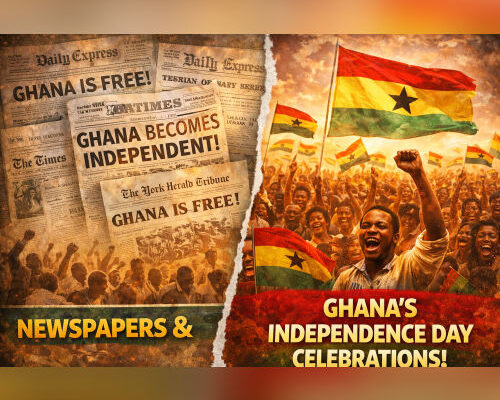
Newspapers and Ghana’s Independence Day Celebrations

The relationship between newspapers and Ghana’s Independence Day celebrations is deeply rooted in the country’s political history and media evolution. From the late colonial period through the attainment of independence in 1957 and into the post-colonial era, newspapers played a central role in documenting, shaping, and amplifying the meaning of national freedom. In the Gold…

Read More

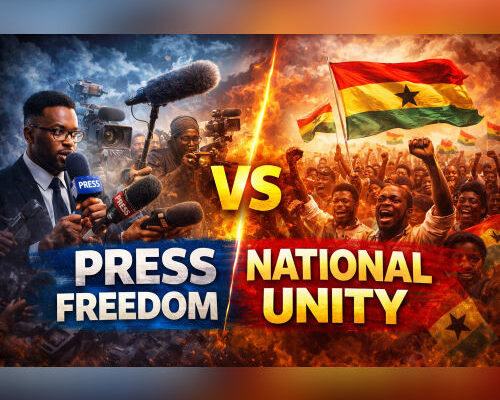
Press Freedom vs National Unity Debates

In the years surrounding Ghana’s independence and early nation-building period (roughly the mid-1950s through the early 1960s), one of the most persistent and consequential public discussions revolved around the tension between press freedom and national unity. Newspapers themselves became both the arena and the actors within this debate. Through editorials, political reporting, and public commentary,…

Read More

How the Press Announced Ghana to the World

The emergence of Ghana as an independent nation in 1957 was not only a political milestone but also a global media event. Newspapers—both local and international—played a decisive role in announcing the birth of the new state to the world. Through headlines, editorials, photographs, and diplomatic reporting, the press transformed Ghana’s independence from a regional…

Read More

The Importance of Newspapers in Ghana

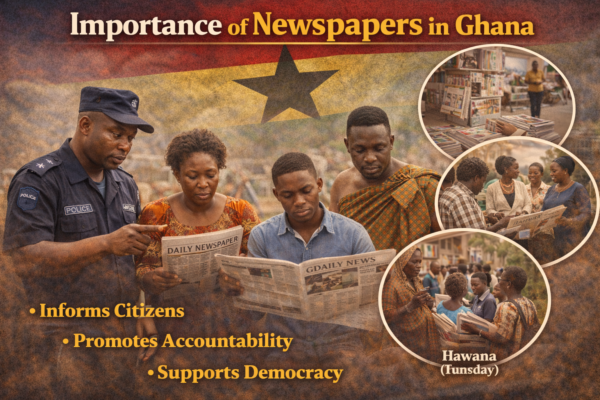
Newspapers occupy an important place in Ghanaian society. Long before the rise of social media and online news platforms, newspapers were the primary source of information for the public. Even today, despite digital competition, newspapers continue to serve critical social, political, educational, and cultural functions across the country. Source of News and Information At their…

Read More