





What Nkrumah Liked to refer to as Neo-colonialism

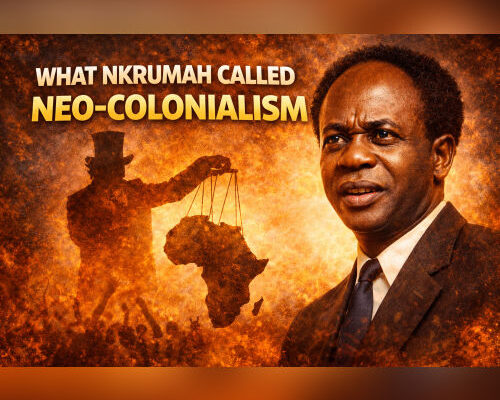
In the years following Ghana’s independence in 1957, one of the most influential political and intellectual concepts articulated by Kwame Nkrumah was “neo-colonialism.” For Nkrumah, independence did not mark the end of foreign domination in Africa. Instead, he argued that a new, more subtle form of control had emerged—one that operated through economic power, political…
Read More

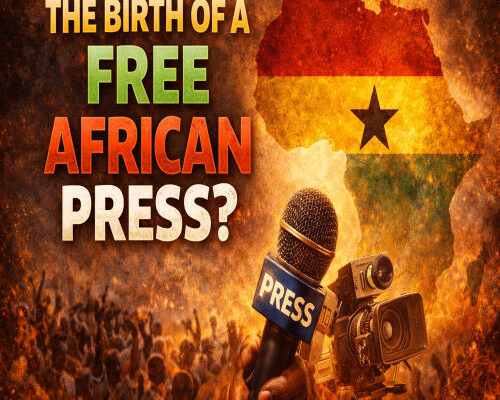
The Birth of a Free African Press?

The question of whether independence in 1957 marked the true birth of a free African press in the Gold Coast—now Ghana—is both historically complex and deeply debated. While Ghana’s independence symbolized political liberation from colonial rule, the evolution of press freedom was far more gradual and contested. Newspapers had played a crucial role in anti-colonial…

Read More

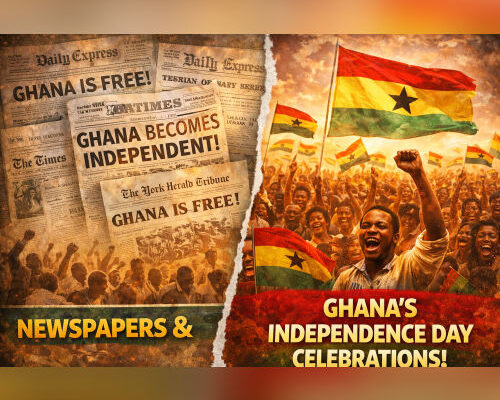
Newspapers and Ghana’s Independence Day Celebrations

The relationship between newspapers and Ghana’s Independence Day celebrations is deeply rooted in the country’s political history and media evolution. From the late colonial period through the attainment of independence in 1957 and into the post-colonial era, newspapers played a central role in documenting, shaping, and amplifying the meaning of national freedom. In the Gold…

Read More

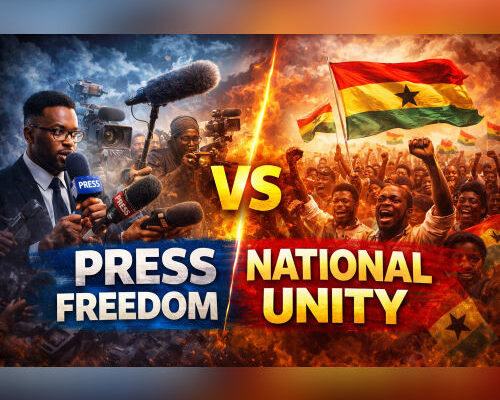
Press Freedom vs National Unity Debates

In the years surrounding Ghana’s independence and early nation-building period (roughly the mid-1950s through the early 1960s), one of the most persistent and consequential public discussions revolved around the tension between press freedom and national unity. Newspapers themselves became both the arena and the actors within this debate. Through editorials, political reporting, and public commentary,…

Read More

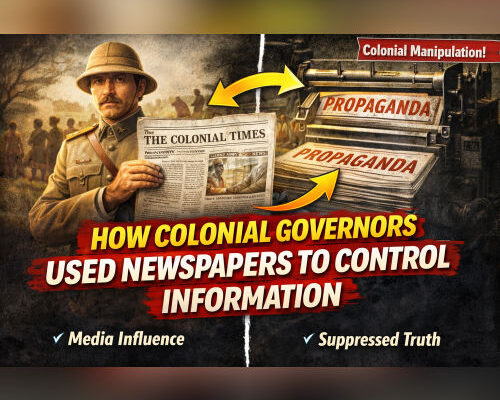
How Colonial Governors Used Newspapers to Control Information

During the colonial period in the Gold Coast—modern-day Ghana—newspapers were not merely instruments of public communication; they were powerful tools of governance and political control. Colonial governors recognized early that controlling the flow of information was essential for maintaining authority, shaping public opinion, and managing resistance. Through censorship laws, strategic propaganda, selective reporting, and alliances…

Read More

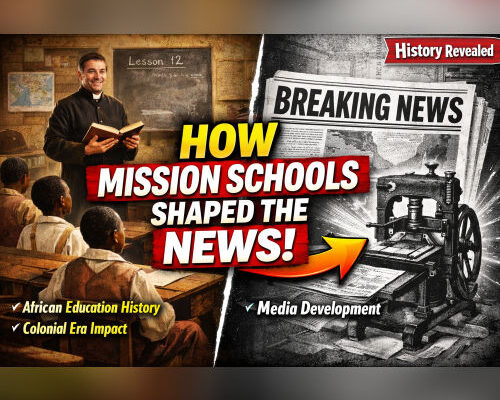
Mission Schools and Their Influence on Newspaper Readership

The growth of newspaper readership in the Gold Coast—modern-day Ghana—cannot be understood without examining the critical role played by nineteenth-century mission schools. These educational institutions, established by European Christian missions, were not only centers of religious instruction but also engines of literacy, intellectual transformation, and political awareness. By producing a new class of literate Africans,…

Read More

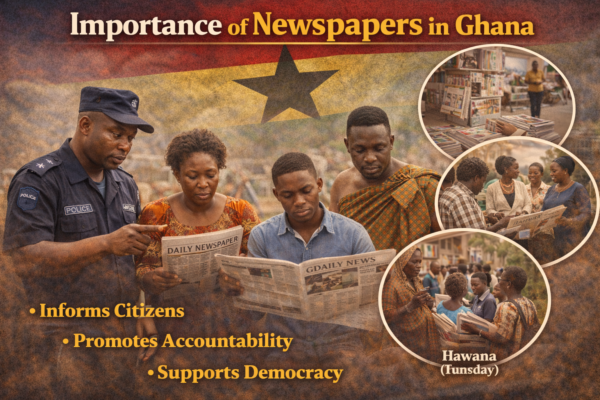
The Importance of Newspapers in Ghana

Newspapers occupy an important place in Ghanaian society. Long before the rise of social media and online news platforms, newspapers were the primary source of information for the public. Even today, despite digital competition, newspapers continue to serve critical social, political, educational, and cultural functions across the country. Source of News and Information At their…

Read More

Mid-19th Century Press Expansion (1858–1874)

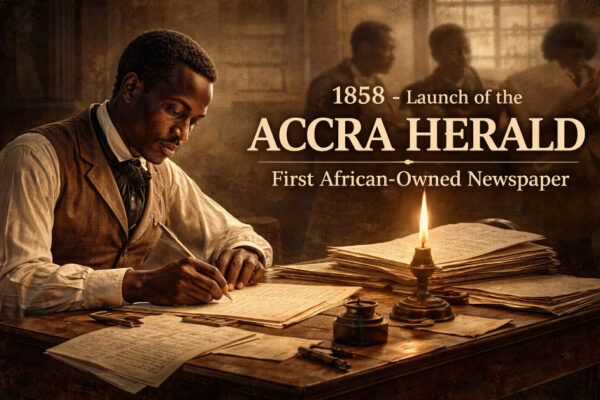
In 1858, Charles Bannerman — the son of a British lieutenant governor and an Asante princess — founded the Accra Herald, recognized as the first African-produced newspaper in West Africa. Unlike the colonial-run press, this handwritten paper reached primarily African readers, circulating among some 300 subscribers. It focused on local issues, social commentary, and matters…

Read More