



The Pains of Imprisonment

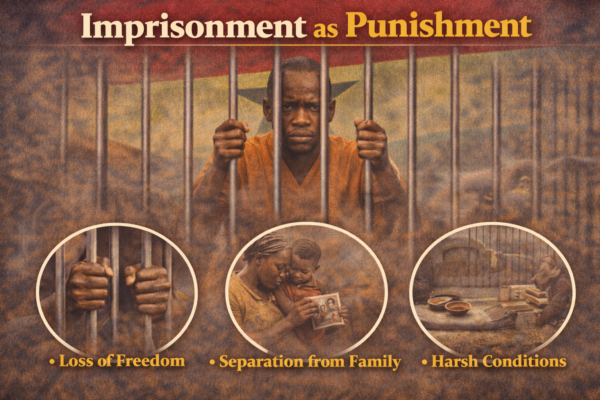
Imprisonment is one of the most common punishments for crime in many societies, including Ghana. It is also known as incarceration. While courts have several options for punishing offenders—such as fines, probation, or community service—prison sentences are usually reserved for serious crimes like robbery, burglary, aggravated assault, and murder. Incarceration is often misunderstood. People sometimes…
Read More

Feminism Should Not Frighten Us

Feminism Is Not a Dirty Word Sexism is wrong. It is prejudice and discrimination against people because of their sex or gender. In many societies, including Ghana, sexist attitudes are often directed at women and girls. These attitudes show up in everyday behavior—how women are spoken to, how their abilities are questioned, and how their…

Read More

Rape and Sexual Assault in Ghana: Understanding the Crime and the Law

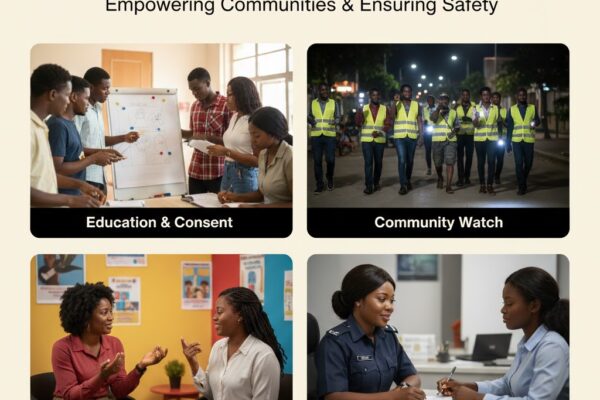
Rape and sexual assault are among the most serious crimes in Ghana, leaving victims with profound physical, emotional, and psychological scars. Despite public awareness campaigns and media reporting, sexual violence continues to occur in society, highlighting the urgent need for vigilance, education, and justice. Sex is meant for two consenting adults. Consent is not just…

Read More

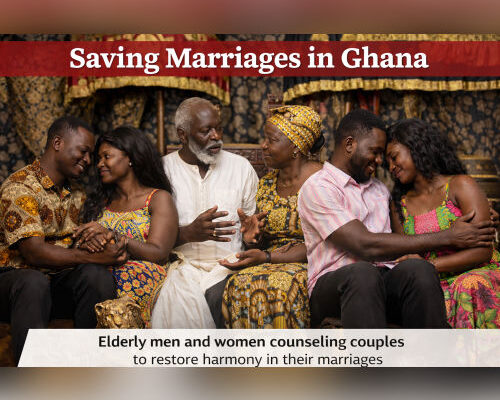
Saving Marriages and Reducing the High Rate of Divorce in Ghana

In the past, Ghanaian marriages endured. Separation was rare and divorce uncommon. Today, however, marriages are dissolving at an alarming rate. The critical question is this: what can be done to fortify marriages and restore their durability? Many of the challenges confronting contemporary marriages stem from the abandonment of practices that once stabilized marital unions….

Read More

Rising Divorce in Ghana: Why Many Marriages Are Failing

In the past, Ghanaian marriages were widely regarded as enduring unions. Separations were rare, and divorce was uncommon. Marriages were expected to last a lifetime, sustained not only by the couple but also by their extended families and lineages. Today, however, the situation has changed dramatically. Marital breakdowns are increasingly common, and divorce has become…

Read More

Neglect and Abuse of the Elderly in Ghana

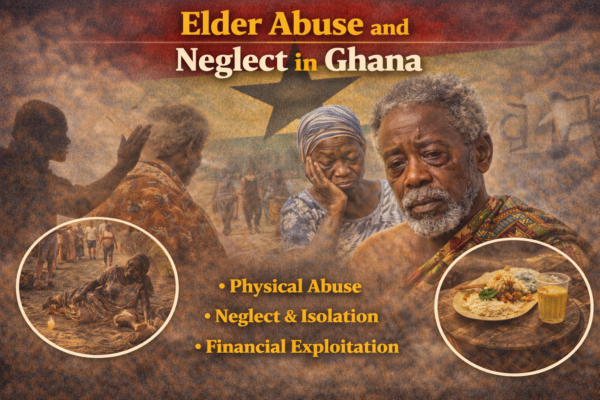
Ghanaian society traditionally values respect for the elderly. Older people are regarded as repositories of wisdom, custodians of tradition, and moral anchors of the family. Yet beneath this ideal lies a troubling reality: many elderly persons in Ghana experience neglect, abuse, and profound social vulnerability. Elderly neglect refers to the failure of family members, caregivers,…

Read More

Causes of Child Abuse in Ghana

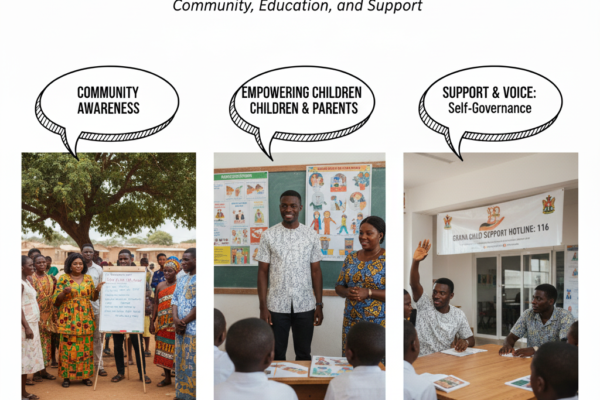
Every year, thousands of children in Ghana suffer abuse at the hands of those entrusted with their care—parents, guardians, and relatives. Reports of battered, neglected, and traumatized children frequently appear in the Ghanaian mass media, often accompanied by disturbing images and heartbreaking details. In many cases, the abuse results in severe physical injuries; in others,…

Read More

Why Cultural and Linguistic Self-Determination Is Necessary in Ghana

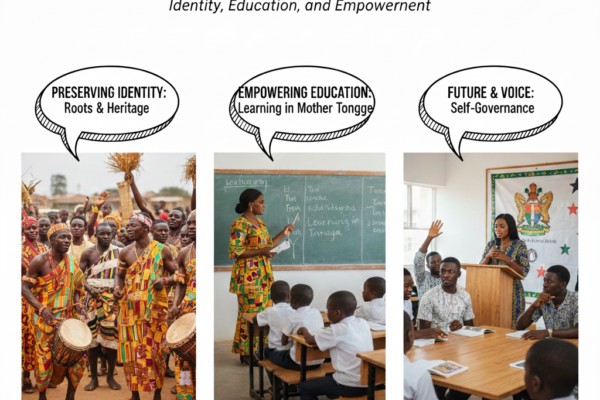
For a long time, Ghanaians have embraced foreign ways and ideas that have not served them well and, in many cases, have undermined national development. For this reason, some Ghanaians are increasingly calling for cultural and linguistic self-determination as a necessary step if the nation is to move forward with confidence and purpose. They question…

Read More

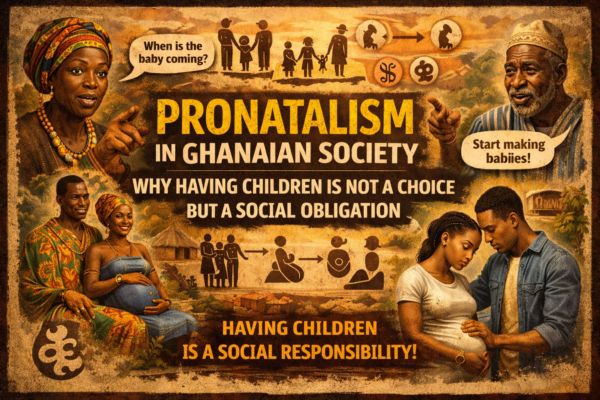
Pronatalism in Ghanaian Society: Why Having Children Is Not a Choice but a Social Obligation

Pronatalism refers to a strong cultural and social preference for having children, often accompanied by expectations that adults should reproduce as a normal and desirable life course. In Ghanaian society, having one’s own child is not merely a personal choice; it is widely regarded as a social obligation. Adulthood is culturally incomplete without parenthood, and…

Read More

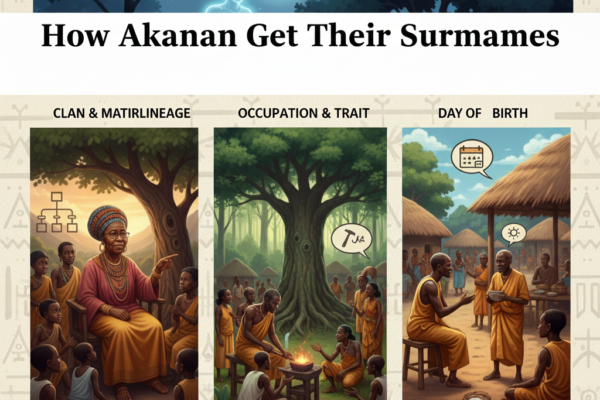
Akan Surnames: Heritage, Identity, and the Power of Names

Among the Akan people of Ghana, names are more than labels—they are living symbols of heritage, identity, social bonds, and spiritual connection. Akan naming traditions reflect a society where lineage, ancestry, and morality are woven into the very words that identify a person. Origins of Akan Surnames Although the Akans are a matrilineal society, it…

Read More

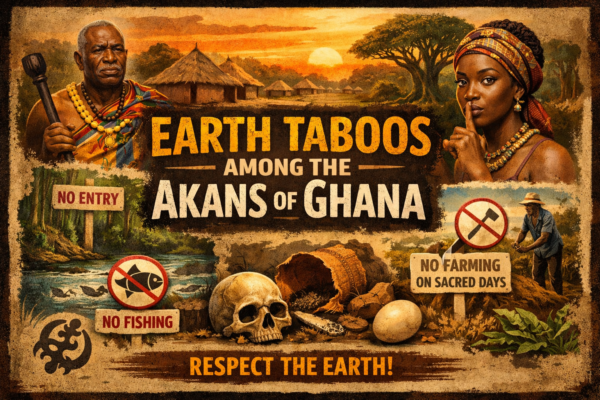
Earth Taboos Among the Akans of Ghana: Asaase Yaa Must Not Be Defiled

A taboo is an act so deeply forbidden that it provokes moral outrage, fear, or spiritual anxiety when violated. Taboos are cultural universals: every society draws invisible lines that must not be crossed. Yet these lines are not the same everywhere. What one society condemns as unthinkable may be ordinary or morally neutral in another….

Read More

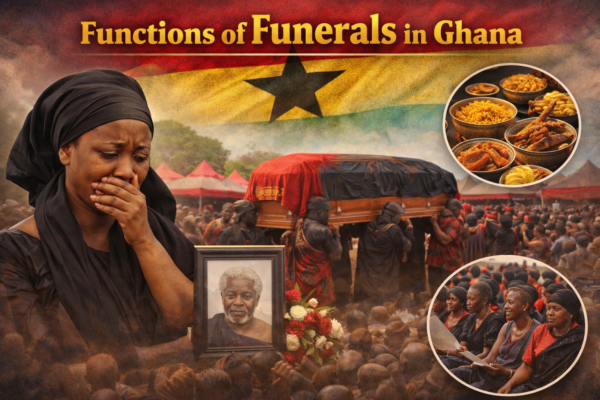
Functions of Funerals in Akan Society of Ghana

Among the Akan people of southern Ghana, funerals are more than ceremonies—they are profound cultural, spiritual, and social events that reflect the community’s understanding of life, death, and the afterlife. Central to Akan beliefs is the conviction that life continues after death. While the body decomposes, the spirit embarks on a journey to Asamando, the…

Read More

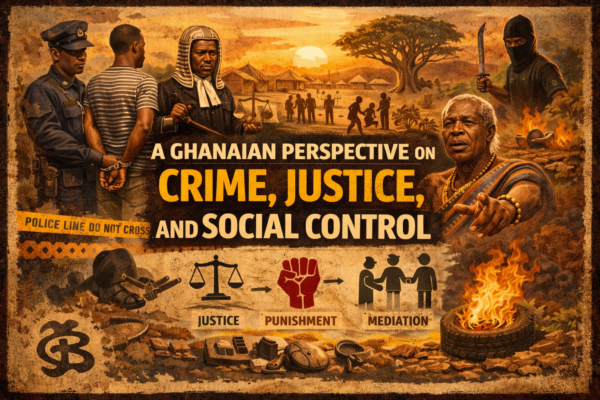
A Ghanaian Perspective on Crime, Justice, and Social Control

Punishment is a central feature of every organized society, including Ghana. While rewards are designed to encourage conformity and socially approved behavior, punishment exists to negatively sanction deviant behavior. When individuals act in ways that align with societal norms, they are often rewarded through praise, status, social recognition, or material benefits. When they violate those…

Read More

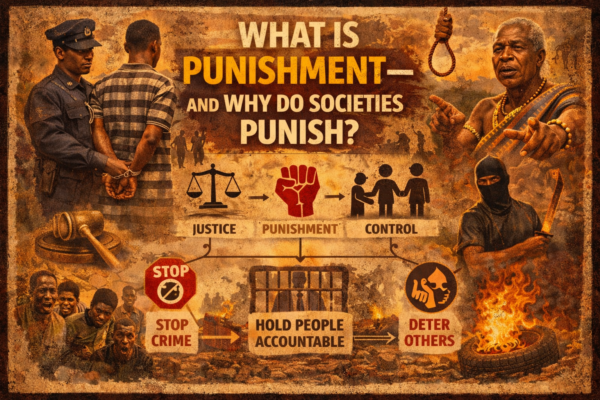
What Is Punishment—and Why Do Societies Punish?

Punishment is a central feature of every organized society. While rewards are designed to encourage conformity and socially approved behavior, punishment exists to negatively sanction deviant behavior. When individuals act in ways that align with societal norms, they are often rewarded through praise, status, or material benefits. When they violate those norms, society—or its authorized…

Read More