


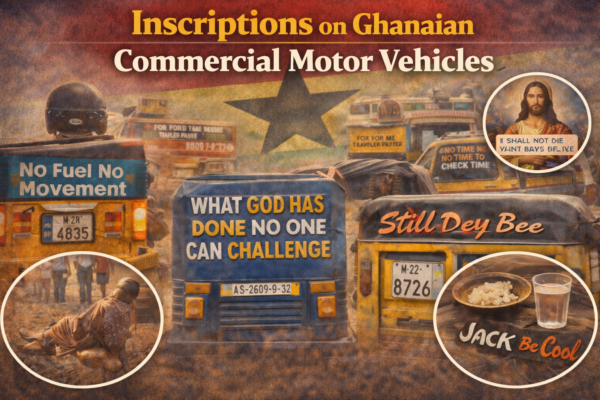
Inscriptions on Ghanaian Commercial Vehicles

A visitor to Ghana will quickly notice something striking on the roads: commercial motor vehicles speak. Tro-tros, buses, taxis, and long-distance vehicles often carry inscriptions—short messages painted boldly on the body of the vehicle. These inscriptions may appear on the back of the vehicle, across the windscreen, or on a signboard fixed to the front….
Read More

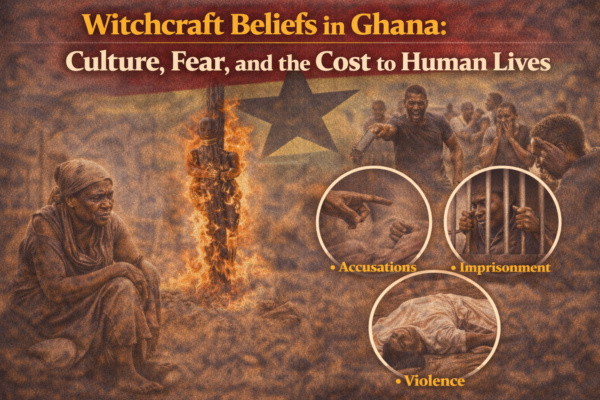
Witchcraft Beliefs in Ghana: Culture, Fear, and the Cost to Human Lives

Witchcraft is commonly understood in Ghana as a supernatural power believed to be possessed by some individuals, enabling them to influence the behavior, health, fortune, or misfortune of others—either as victims or beneficiaries. Belief in witchcraft and witches remains widespread and deeply embedded in Ghanaian society. Although no comprehensive national survey exists to measure belief…

Read More

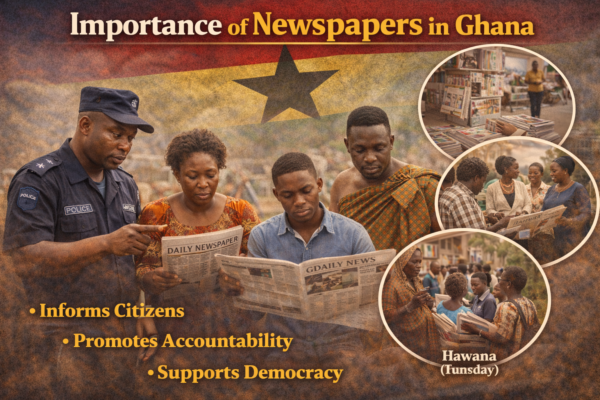
The Importance of Newspapers in Ghana

Newspapers occupy an important place in Ghanaian society. Long before the rise of social media and online news platforms, newspapers were the primary source of information for the public. Even today, despite digital competition, newspapers continue to serve critical social, political, educational, and cultural functions across the country. Source of News and Information At their…

Read More

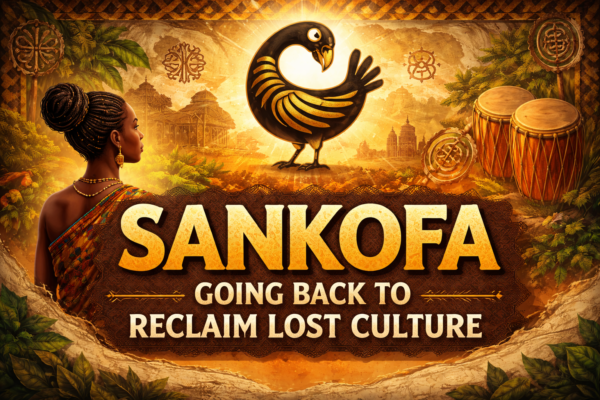
Sankofa: Going Back to Reclaim Lost Culture

Culture refers to the total way of life of a people. It encompasses both material and non-material elements. Material culture consists of tangible aspects that can be seen and touched, such as cooking practices, eating utensils, earthenware, palanquins, drums, and idiophones. Non-material culture, by contrast, includes intangible elements such as language, music, art, religion, dance,…

Read More

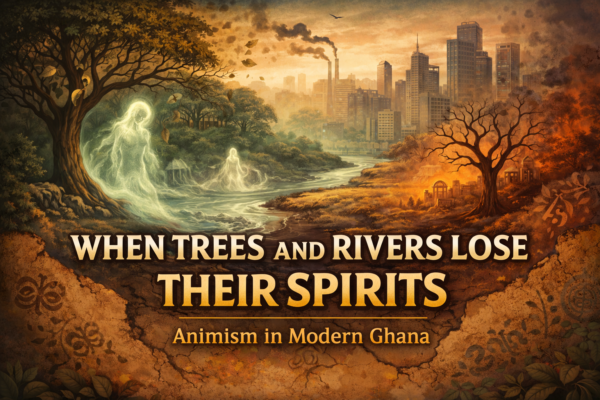
When Trees and Rivers Lose Their Spirits: Animism in Modern Ghana

Animism is the belief that the environment and society are populated with spirits. Many Ghanaians hold animistic beliefs, maintaining that their surroundings are inhabited by spiritual beings. Some of these spirits are believed to be benevolent, while others are considered malevolent. Animistic beliefs are widespread across Ghana’s ethnic groups. Even Ghanaians who identify as Christian…

Read More

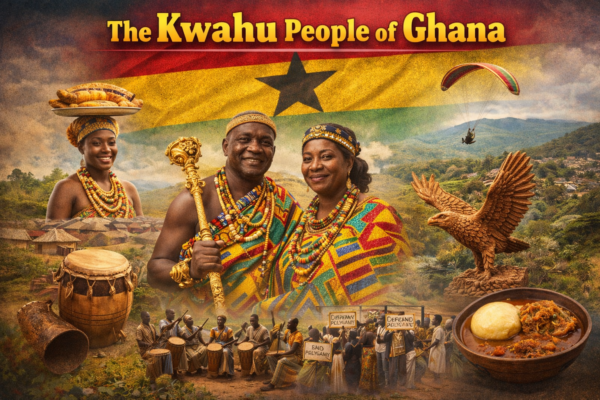
The Kwahu People of Ghana

Ghana is a multiethnic and multilingual country, home to numerous ethnic groups with distinct histories and cultural traditions. Among these groups are the Kwahu people, one of the many subgroups within the larger Akan ethnic group. The Kwahu are primarily located in the Eastern Region of Ghana. Their largest town, Nkawkaw, lies approximately 66 miles…

Read More

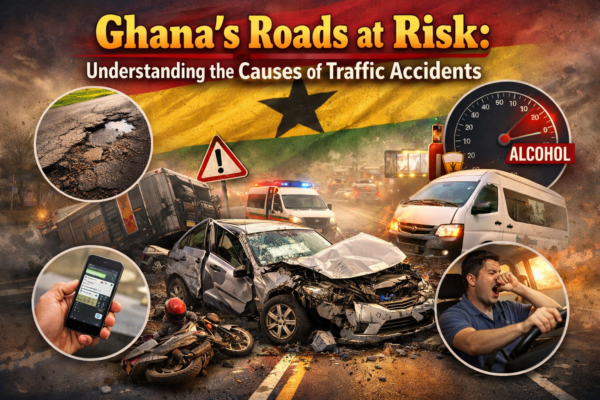
Ghana’s Roads at Risk: Understanding the Causes of Traffic Accidents

Traffic accidents in Ghana are more than statistics—they are daily tragedies that claim lives, ruin families, and leave survivors with lifelong injuries. Beyond the loss of life, road crashes lead to pain, suffering, disability, and economic hardship for individuals and communities alike. Recent data from the National Road Safety Authority (NRSA) and other reports show…

Read More

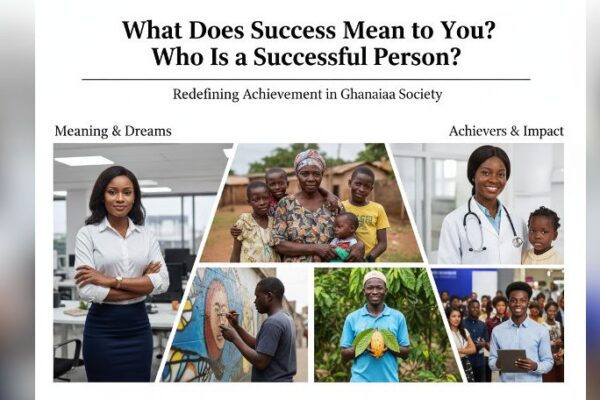
What Does Success Mean to You? Who Is a Successful Person?

Almost everyone dreams of success. From childhood, we are taught to aspire, to achieve, and to “make it” in life. Parents encourage their children to succeed, communities celebrate successful people, and society often rewards those it considers accomplished. But an important question remains: What does success really mean—and who should be considered a successful person…

Read More

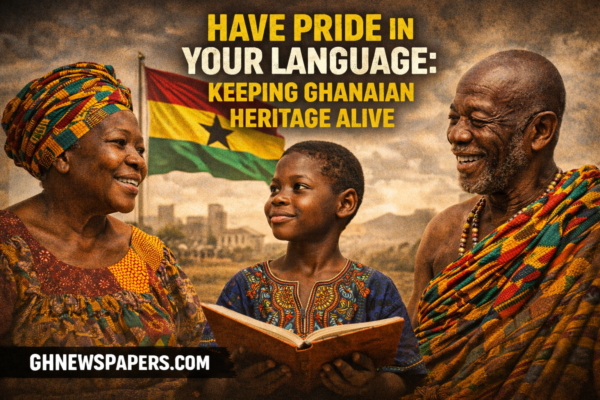
Have Pride in Your Language: Keeping Ghanaian Heritage Alive

In Ghana today, many parents encourage their children to speak English, sometimes at the expense of local languages. This trend is common not only in Ghana but also among Ghanaian families living abroad. While parents may believe that prioritizing English will make their children academically brighter, this approach often has unintended consequences for cultural identity…

Read More