




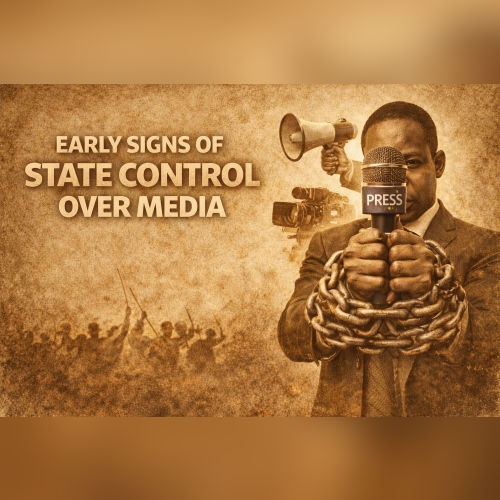
The early years of Ghana’s independence, particularly between 1957 and the mid-1960s, reveal the gradual emergence of state control over the media. While independence initially generated optimism about press freedom, archival newspaper records, government policies, and editorial patterns show that signs of state influence appeared almost immediately. These early developments shaped the long-term trajectory of Ghana’s media landscape, marking the beginning of a complex relationship between journalism, political authority, and nation-building.
Colonial Roots of Media Regulation
To understand early state control after independence, it is essential to recognize that Ghana inherited a media system already shaped by colonial regulation. During British rule in the Gold Coast, newspapers were subject to strict laws governing sedition, libel, and public order. Colonial administrators often viewed the press as both a threat and a necessary instrument of governance.
Even nationalist newspapers—such as those run by political activists—operated within a legal environment designed to monitor and restrict dissent. Thus, independence did not begin with a completely free press; instead, it inherited legal and administrative frameworks that could easily be adapted for post-colonial state control.
Initial Optimism After Independence
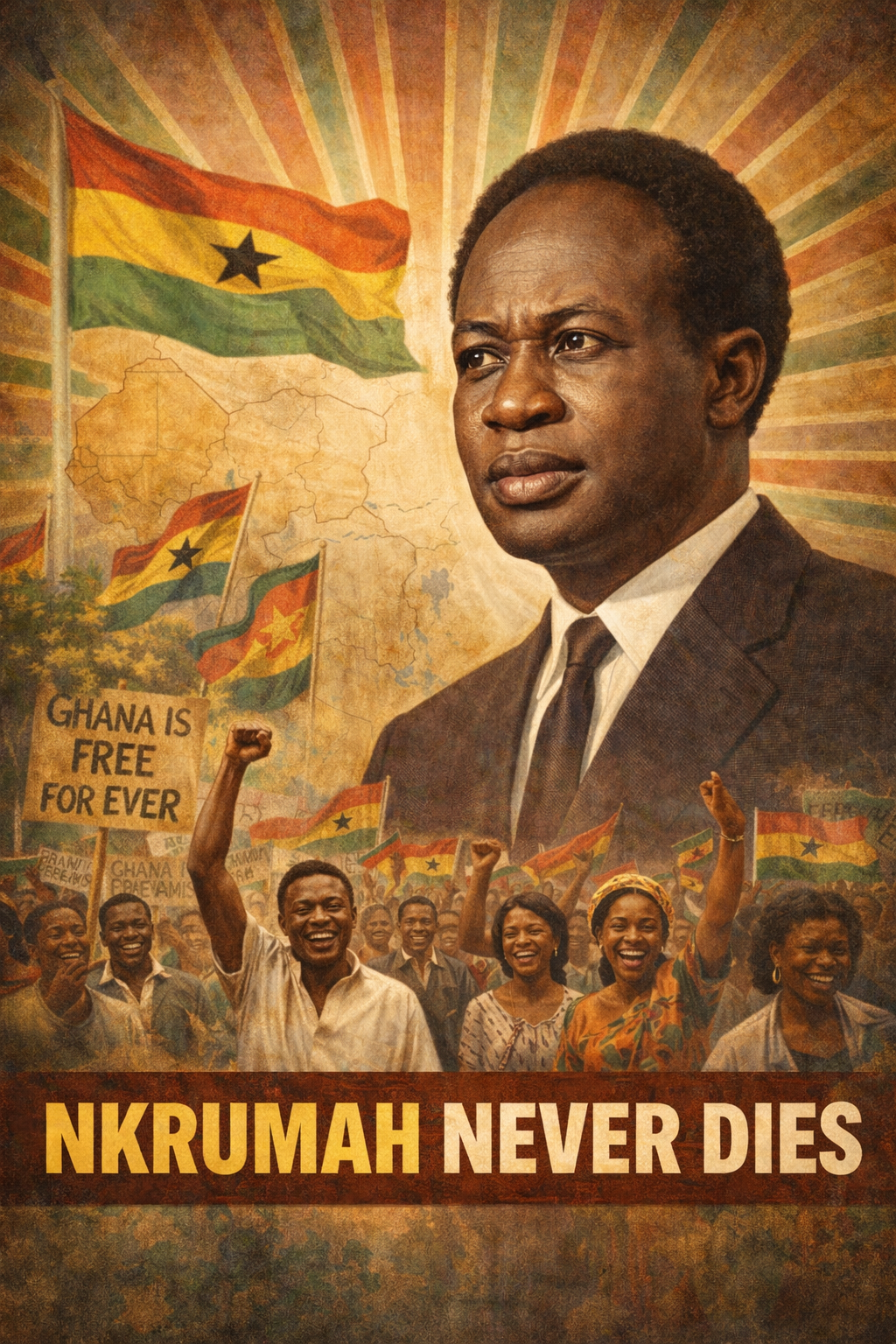
When Ghana became independent in March 1957 under Kwame Nkrumah and his Convention People’s Party (CPP), many journalists expected a new era of press freedom. Newspapers had played a critical role in mobilizing nationalist sentiment, exposing colonial injustices, and educating the public about independence movements.
Early post-independence editorials reflected this optimism. Writers emphasized the importance of a free press in supporting democracy, holding leaders accountable, and promoting national development.
However, this hopeful environment began to change quickly as political priorities shifted toward consolidating power and ensuring national unity.
Expansion of State-Owned Media
One of the earliest signs of state control was the expansion of government ownership of major newspapers. The establishment and strengthening of state-aligned publications such as the Ghanaian Times signaled a strategic effort to shape public opinion.
These newspapers received substantial government support, including funding, printing resources, and preferential access to official information. Their editorial content often reflected government perspectives, promoting national development projects and defending official policies.
State ownership did not immediately eliminate independent journalism, but it created an uneven media environment in which pro-government voices had structural advantages.
Legal Instruments and Policy Measures
Another early sign of state control was the use of legal frameworks to regulate political and media activity. Laws such as the Avoidance of Discrimination Act (1958) indirectly affected the press by weakening opposition political parties and the newspapers associated with them.
Other legal tools included:
- Licensing requirements for newspapers
- Sedition and libel laws inherited from colonial rule
- Regulatory oversight of printing and distribution
These mechanisms allowed the government to influence what could be published without always resorting to direct censorship.
Political Pressure and Informal Influence
Beyond formal laws, informal political pressures played a significant role in shaping media behavior. Journalists and editors often faced subtle forms of influence, including:
- Expectations to demonstrate patriotic loyalty
- Pressure to avoid criticism of national leaders
- Risk of losing advertising revenue or government access
As a result, many newspapers practiced self-censorship, framing their reporting in ways that aligned with government narratives.
This pattern illustrates that state control did not always appear as overt repression; it often operated through indirect incentives and constraints.
The Role of National Unity Ideology
A central justification for increasing media control was the ideology of national unity. Government leaders argued that Ghana, as a newly independent nation with diverse ethnic and regional identities, required a cohesive national narrative.
State-aligned newspapers frequently echoed this argument, portraying critical journalism as potentially divisive or harmful to national progress. This framing helped legitimize expanding state influence over media institutions.
Public Reactions Reflected in Newspapers
Letters to editors and opinion columns from the late 1950s and early 1960s reveal mixed public responses. Many citizens supported government efforts to maintain unity and stability, particularly amid fears of regional conflict.
However, some readers expressed concern that growing state control threatened democratic freedoms and limited the press’s ability to represent diverse viewpoints.
These discussions highlight that the process of media control was not uncontested—it was debated actively within the public sphere.
Long-Term Consequences
The early signs of state control had lasting implications. By the early 1960s, Ghana’s media environment had shifted significantly toward government dominance. Independent newspapers faced increasing challenges, and the space for critical journalism narrowed.
Historians often view this period as the foundation of later struggles over media freedom in Ghana. The patterns established during these early years—state ownership, regulatory oversight, and ideological framing—continued to influence media-government relations for decades.
Conclusion
The early years of Ghana’s independence reveal a gradual but clear emergence of state control over the media. Rooted in colonial regulatory traditions and justified by national unity concerns, this process unfolded through state ownership, legal measures, and informal political pressures.
While the press initially hoped for expanded freedom after independence, the realities of nation-building led to increasing government influence. These early developments shaped Ghana’s media history, illustrating how the struggle between press autonomy and political authority began almost immediately in the life of the new nation.