





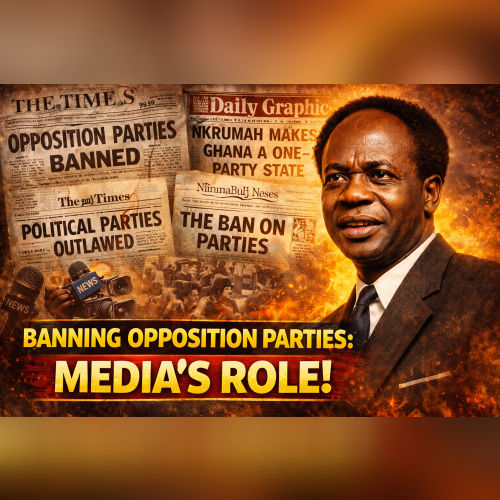
The banning of opposition parties in Ghana during the late 1950s and early 1960s stands as one of the most consequential moments in the country’s political and media history. Newspapers of the era did not merely report the development—they actively shaped how the public understood the meaning of political unity, democracy, and authority in a newly independent African state. Coverage of the ban reveals a deeply polarized media landscape divided between state-aligned nationalist narratives and dissenting voices struggling to survive under increasing government pressure.
Political Background to the Ban
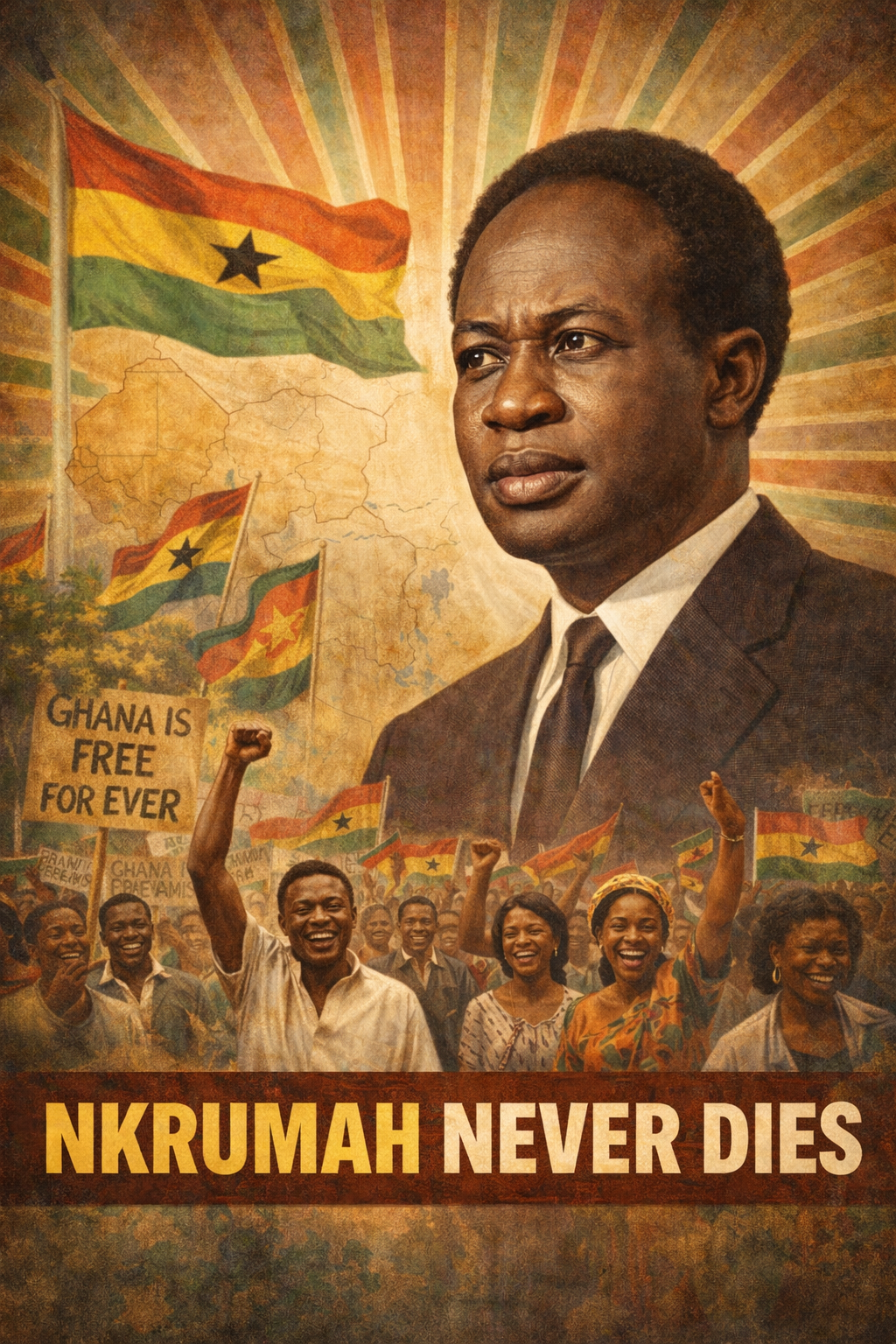
After independence in 1957, Ghana faced intense political fragmentation. Various opposition groups represented regional and ethnic interests, including the National Liberation Movement (NLM) in Ashanti and the Northern People’s Party. These organizations challenged the dominance of the ruling Convention People’s Party (CPP), led by Kwame Nkrumah.
The government argued that such parties threatened national cohesion. The passage of the Avoidance of Discrimination Act in 1958 effectively outlawed political organizations based on ethnic, regional, or religious identities. This law laid the groundwork for broader suppression of opposition politics, culminating in a de facto one-party state by the early 1960s.
Newspapers became the primary medium through which the public encountered and interpreted these sweeping changes.
Pro-Government Newspaper Narratives
State-influenced newspapers such as The Ghanaian Times and The Evening News framed the ban as a necessary and patriotic measure. Their coverage emphasized national unity as the central justification for eliminating opposition parties.
Headlines often used strong ideological language, describing the policy as:
- “A decisive step toward national consolidation”
- “A victory over tribalism”
- “A safeguard for Ghana’s future”
Editorials portrayed opposition parties as divisive forces rooted in colonial-era regional rivalries. These newspapers frequently cited examples of political instability in other African nations to argue that multiparty competition could lead to chaos, violence, or even civil war.
This framing positioned the ban not as a limitation on democracy, but as a strategic move to protect the fragile post-colonial state.
Opposition Press Resistance
In contrast, independent and opposition-aligned newspapers offered sharply critical interpretations. Publications such as the Ashanti Pioneer argued that the ban represented a fundamental betrayal of democratic principles.
Their reporting emphasized several concerns:
- The erosion of political pluralism
- The concentration of power within the ruling party
- The silencing of legitimate regional voices
Editorial writers warned that suppressing opposition would weaken accountability and foster authoritarian tendencies. Some journalists drew parallels to colonial censorship practices, suggesting that the new government was adopting similar mechanisms of control once used by British authorities.
However, these critical voices increasingly faced legal, financial, and political constraints, limiting their reach.
Mechanisms of Media Control
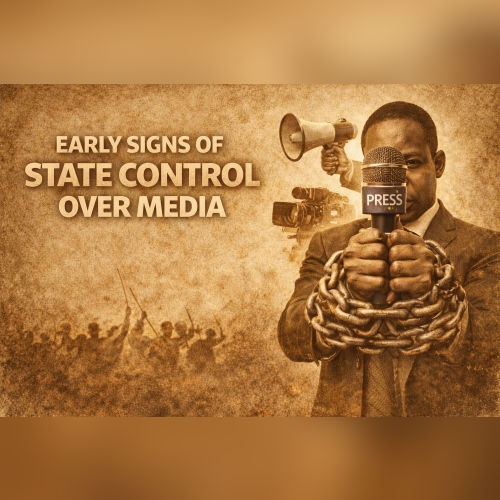
Coverage of the ban also illustrates how the state exerted influence over the press. By the late 1950s, the CPP had established significant control over major newspapers through ownership, licensing laws, and regulatory oversight.
Government-friendly publications received funding and privileged access to official information. Meanwhile, opposition papers often struggled with:
- Withdrawal of advertising revenue
- Legal threats under sedition laws
- Restrictions on printing and distribution
These structural pressures shaped not only what could be reported, but also how narratives were framed and circulated.
Public Reaction Through Press Letters and Commentary
Newspapers of the time provide valuable insight into public opinion through letters to the editor and opinion columns. Many citizens expressed support for unity and stability, reflecting widespread enthusiasm for nation-building after independence.
At the same time, some readers voiced anxiety about losing political choice. Letters published in smaller independent papers warned that without opposition parties, government leaders might become unaccountable.
Thus, media coverage reveals a society grappling with competing priorities: the desire for unity versus the preservation of democratic freedoms.
Long-Term Implications for Ghanaian Journalism
The press coverage of opposition bans marked a turning point in Ghana’s media history. It accelerated the transition from a relatively pluralistic press environment toward increasing state dominance.
By the early 1960s, Ghana effectively functioned as a one-party state, and press independence declined significantly. Many historians see this period as the beginning of a long struggle between media freedom and political authority in Ghana—a tension that would persist through subsequent military regimes and political transitions.
Historical Significance
From a broader historical perspective, the media’s handling of the opposition ban illustrates the complex role journalism plays in post-colonial state formation. Newspapers served simultaneously as:
- Instruments of national ideology
- Platforms for political resistance
- Records of public debate during a critical transformation
Their coverage demonstrates how narratives of unity can both inspire collective identity and justify political centralization.
Conclusion
The banning of opposition parties in Ghana was not merely a political decision—it was a media-driven event that reshaped public discourse and journalistic practice. Pro-government newspapers framed the move as essential for national survival, while independent publications warned of creeping authoritarianism.
Through their reporting, editorials, and public commentary, newspapers captured the tensions at the heart of Ghana’s early independence: the challenge of balancing unity with democracy in a newly sovereign nation.