

How the Media Covered the Ban on Opposition Parties

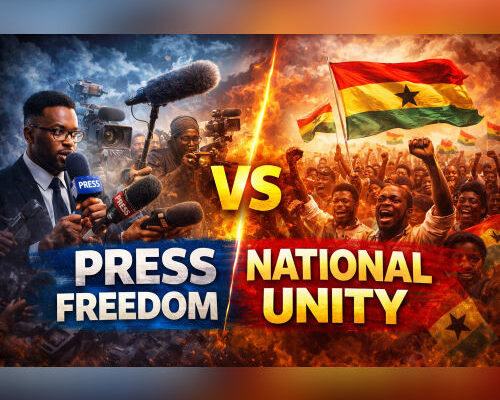
The banning of opposition parties in Ghana during the late 1950s and early 1960s stands as one of the most consequential moments in the country’s political and media history. Newspapers of the era did not merely report the development—they actively shaped how the public understood the meaning of political unity, democracy, and authority in a…

Read More

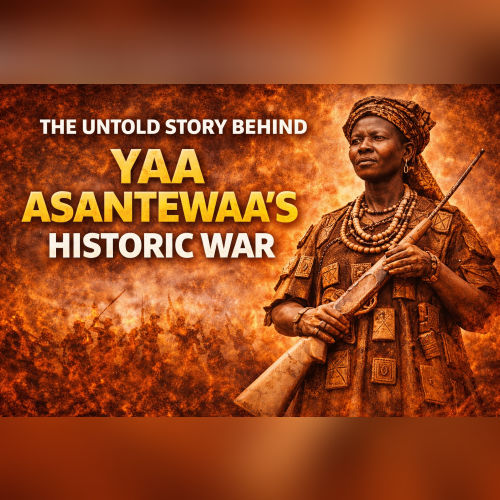
Why Yaa Asantewaa, A Woman, Led the Ashantis to War Against the British Colonialists

The leadership of Yaa Asantewaa in the 1900 war against British colonial rule remains one of the most extraordinary and symbolically powerful episodes in African resistance history. Her decision to lead the Ashanti (Asante) in armed rebellion was not an accident of circumstance—it emerged from a complex intersection of political tradition, colonial provocation, gender roles…

Read More

Cohabitation in Ghanaian Society: Living Together Without Being Married

Cohabitation refers to an intimate arrangement in which a man and a woman live together in a shared residence without being formally married. While cohabitation has become increasingly common in many contemporary societies, it is generally frowned upon in Akan society and regarded as socially improper. Within the Akan marital system, there is a strong…

Read More

Public Expectations in the First Days of Independence

When the Gold Coast achieved independence on March 6, 1957, becoming Ghana, the event generated immense public excitement and hope. For millions of Ghanaians, independence was not merely a constitutional change—it represented the promise of economic prosperity, political empowerment, social transformation, and a new national identity. Newspapers, political speeches, and public celebrations of the time…

Read More

Feminism Should Not Frighten Us

Feminism Is Not a Dirty Word Sexism is wrong. It is prejudice and discrimination against people because of their sex or gender. In many societies, including Ghana, sexist attitudes are often directed at women and girls. These attitudes show up in everyday behavior—how women are spoken to, how their abilities are questioned, and how their…

Read More

The Kwahu People of Ghana

Ghana is a multiethnic and multilingual country, home to numerous ethnic groups with distinct histories and cultural traditions. Among these groups are the Kwahu people, one of the many subgroups within the larger Akan ethnic group. The Kwahu are primarily located in the Eastern Region of Ghana. Their largest town, Nkawkaw, lies approximately 66 miles…

Read More

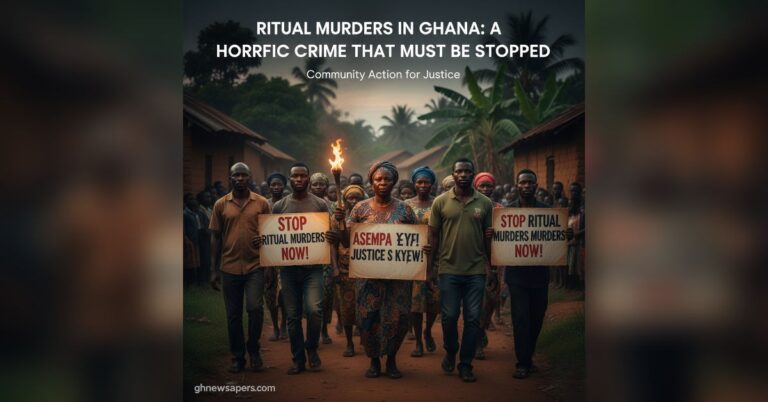
Killing and Lynching of Women Accused of Witchcraft is a Crime

Violence against persons accused of witchcraft remains a troubling reality in parts of Ghana. Although our nation prides itself on hospitality, communal solidarity, and deep respect for human dignity, allegations of witchcraft too often trigger acts of cruelty that contradict these cherished values. It is time to speak plainly: killing or lynching a person accused…

Read More

Littering in Ghana: An Environmental Nuisance and a Public Health Threat

Littering is a serious problem in Ghana. Across cities, towns, and rural communities, many people indiscriminately throw away empty drink bottles, plastic containers, plastic wraps, paper, and leftover food on the ground. Streets, gutters, open spaces, and markets are increasingly turned into informal dumping grounds. Beyond its environmental impact, littering is an aesthetic blight. It…

Read More

Ghana’s Roads at Risk: Understanding the Causes of Traffic Accidents

Traffic accidents in Ghana are more than statistics—they are daily tragedies that claim lives, ruin families, and leave survivors with lifelong injuries. Beyond the loss of life, road crashes lead to pain, suffering, disability, and economic hardship for individuals and communities alike. Recent data from the National Road Safety Authority (NRSA) and other reports show…

Read More

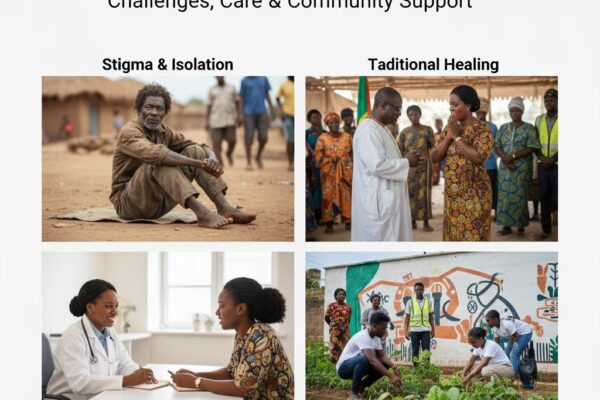
Witchcraft Beliefs in Ghana: Culture, Fear, and the Cost to Human Lives

Witchcraft is commonly understood in Ghana as a supernatural power believed to be possessed by some individuals, enabling them to influence the behavior, health, fortune, or misfortune of others—either as victims or beneficiaries. Belief in witchcraft and witches remains widespread and deeply embedded in Ghanaian society. Although no comprehensive national survey exists to measure belief…

Read More

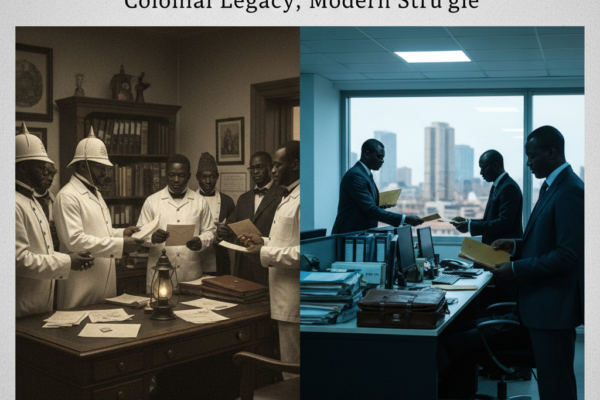
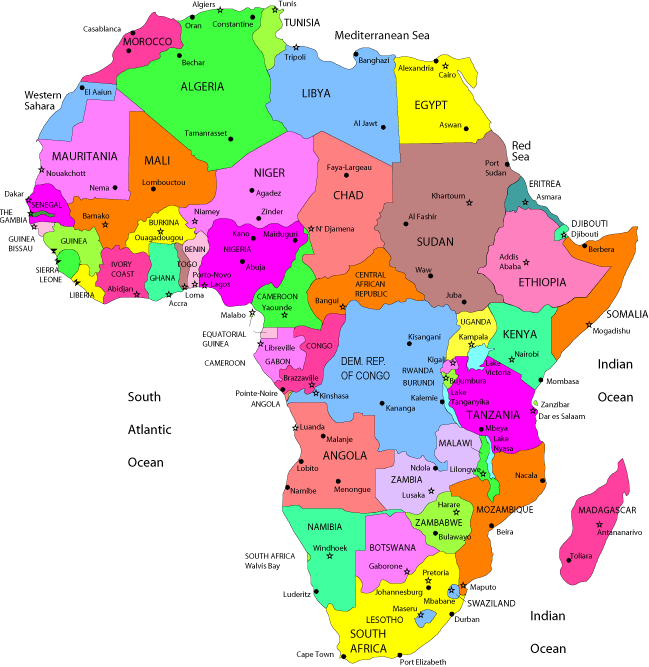
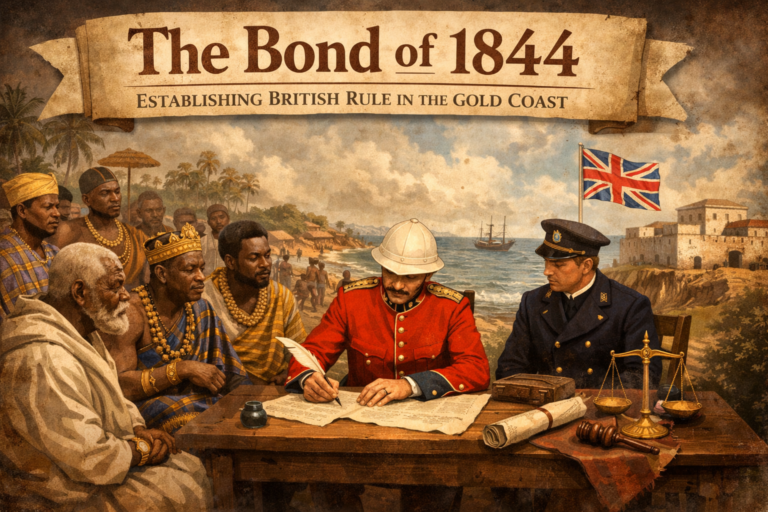
How Colonialism Changed Africa

The Slave Trade and Demographic Devastation When we talk about Africa today—its borders, its languages, its religions, its politics—we are also talking about colonialism. The Africa we know in the twenty-first century did not emerge naturally from the past. It was profoundly shaped by centuries of foreign intrusion, exploitation, and rule. To understand present-day Africa,…

Read More