






The Struggle for Self-Governance — Ghana’s Most Important Idea from the Gold Coast Era to Today

If there is one idea that has mattered more to Ghana than any other from the Gold Coast era to the present, it is the struggle for self-governance and accountable leadership. From colonial domination to modern democracy, Ghana’s history has been shaped by a single, powerful question: Who governs us, and in whose interest? This…

Read More

Why Cultural and Linguistic Self-Determination Is Necessary in Ghana

For a long time, Ghanaians have embraced foreign ways and ideas that have not served them well and, in many cases, have undermined national development. For this reason, some Ghanaians are increasingly calling for cultural and linguistic self-determination as a necessary step if the nation is to move forward with confidence and purpose. They question…

Read More

Selecting a Marital Partner: What People Look for and How Sociologists Explain It

For many people, choosing a marital partner is a deliberate decision. Individuals often consider several factors before deciding who to marry. Sociologists study these choices and use specific terms to describe the different patterns people follow when selecting a spouse. Marrying Up and Marrying Down Some people seek to “marry up,” meaning they look for…

Read More

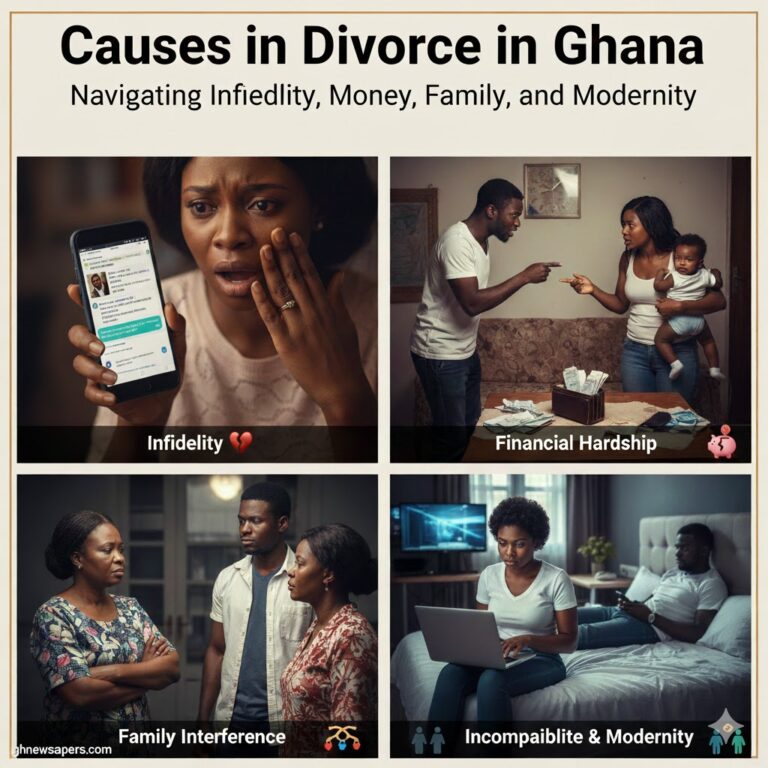
Why Relationships and Marriages Break Down in Ghana

Marital and relationship breakdowns occur for many reasons, and these reasons often vary from one society to another. People enter intimate relationships with specific expectations—emotional, economic, sexual, social, and cultural. When these expectations remain unmet, tensions arise, and relationships may eventually rupture. For this article, I surveyed 28 Ghanaian adults—14 men and 14 women—to better…

Read More

When the Black Stars locked horns with the Greatest football club: Real Madrid

Introduction: Why March Matters Every year, the month of March occupies a sacred place in Ghana’s historical calendar. On 6 March 1957, under the leadership of Kwame Nkrumah, the Gold Coast became Ghana — the first sub-Saharan African nation to gain independence from British colonial rule. March is therefore not merely commemorative; it is reflective….

Read More

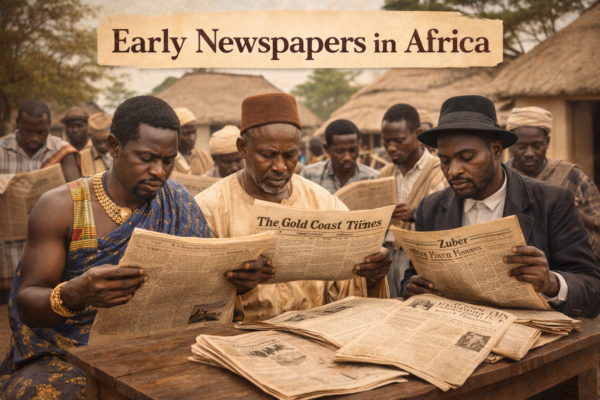
Early newspapers in Africa

The first English newspaper on the continent of Africa was published in Cape Town in 1800. The following year in Sierra Leone, The Royal Gazette and Sierra Leone Advertiser were published in Freetown. Both were European undertakings concerned with matters of government. In 1826, Charles Force, an American freed slave, published the Liberia Herald. He…

Read More

How Communication Technology Transformed Ghana from the Gold Coast Era to the Digital Age

Few technological developments have reshaped Ghana as profoundly as the Advancement of communication technology. From the first telegraph lines laid by colonial authorities to today’s smartphones and internet-driven economy, communication has changed how Ghanaians trade, govern, organize, and connect with the world. The Telegraph and Postal Revolution (1870s–1900s) Modern communication in the Gold Coast began in the 1870s,…

Read More

Slavery, Abolition, and How Newspapers Framed the Narrative

The history of slavery and abolition in the area now known as Ghana is deeply intertwined with global economic systems, imperial expansion, African political structures, and the emergence of print journalism as a powerful instrument of public opinion. From the fifteenth century through the nineteenth century, slavery evolved from localized systems of servitude into a…

Read More

What Ghanaian Children Know, and How They Come to Know It

No one is born with knowledge. Human beings are born with the capacity to learn, but what they eventually know—how they speak, think, behave, believe, and interpret the world—is acquired from society. Knowledge, values, attitudes, and skills are socially produced and socially transmitted. By the time a Ghanaian child reaches the age of eighteen, that…

Read More

Mission Schools and Their Influence on Newspaper Readership

The growth of newspaper readership in the Gold Coast—modern-day Ghana—cannot be understood without examining the critical role played by nineteenth-century mission schools. These educational institutions, established by European Christian missions, were not only centers of religious instruction but also engines of literacy, intellectual transformation, and political awareness. By producing a new class of literate Africans,…

Read More

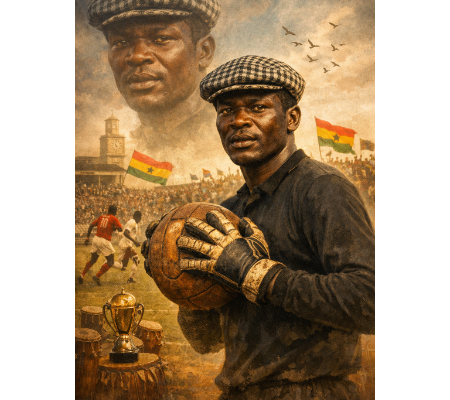
Abedi Pele: The name, myth and legend in Ghanaian football

Introduction: A Name That Became a Symbol In the sociological imagination of the Gold Coast—what is today Ghana—names are never merely labels; they are identities, narratives, and sometimes prophecies. The name Abedi Pele transcends the ordinary. It is a fusion of biography, mythmaking, and cultural symbolism that reflects both indigenous values and global influences. To…

Read More

How Colonial Governors Used Newspapers to Control Information

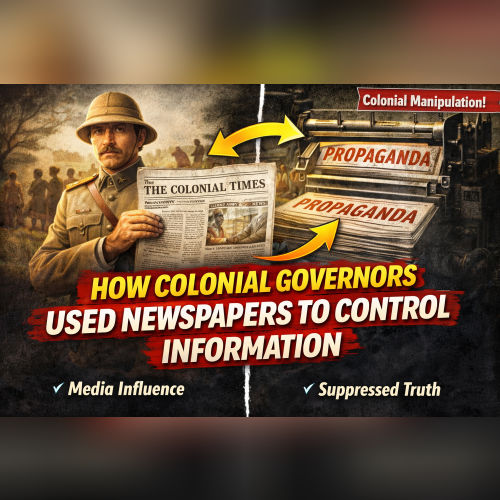
During the colonial period in the Gold Coast—modern-day Ghana—newspapers were not merely instruments of public communication; they were powerful tools of governance and political control. Colonial governors recognized early that controlling the flow of information was essential for maintaining authority, shaping public opinion, and managing resistance. Through censorship laws, strategic propaganda, selective reporting, and alliances…

Read More

Mid-19th Century Press Expansion (1858–1874)

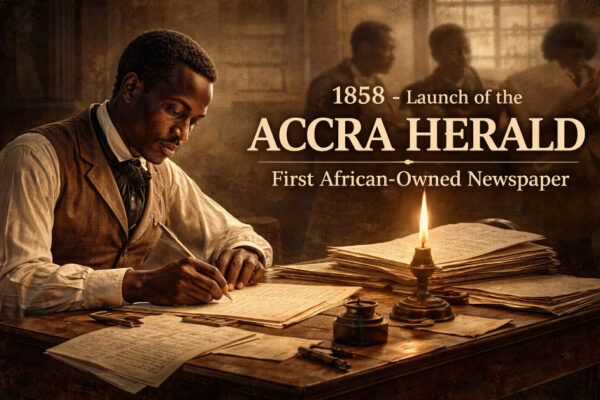
In 1858, Charles Bannerman — the son of a British lieutenant governor and an Asante princess — founded the Accra Herald, recognized as the first African-produced newspaper in West Africa. Unlike the colonial-run press, this handwritten paper reached primarily African readers, circulating among some 300 subscribers. It focused on local issues, social commentary, and matters…

Read More

Early Signs of State Control Over Media

The early years of Ghana’s independence, particularly between 1957 and the mid-1960s, reveal the gradual emergence of state control over the media. While independence initially generated optimism about press freedom, archival newspaper records, government policies, and editorial patterns show that signs of state influence appeared almost immediately. These early developments shaped the long-term trajectory of…

Read More