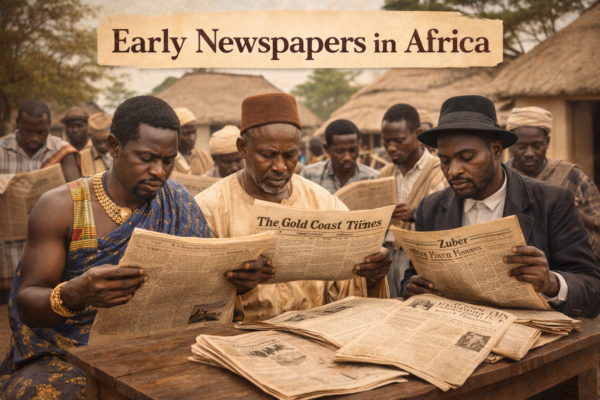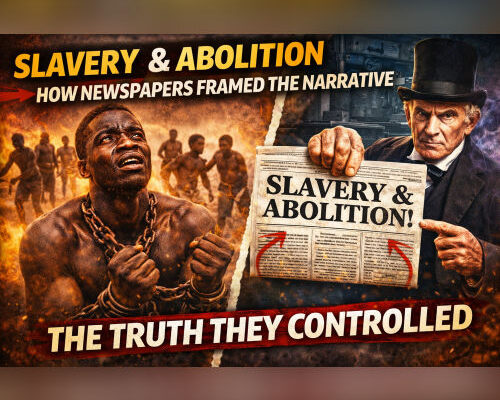



Slavery, Abolition, and How Newspapers Framed the Narrative

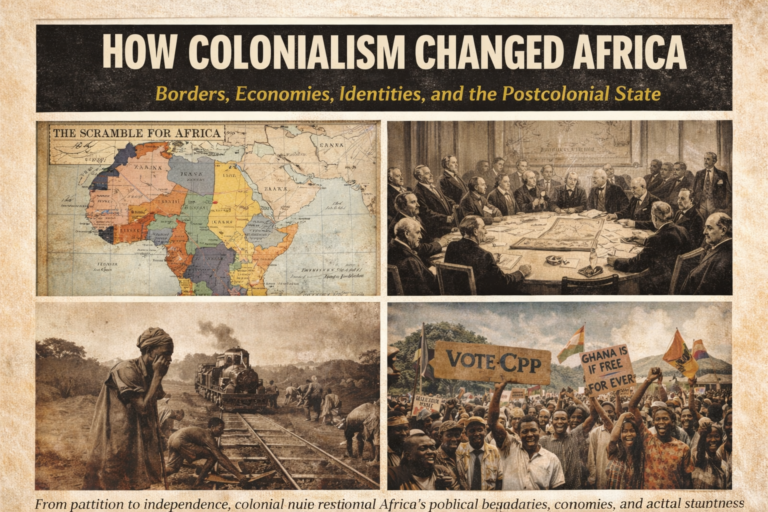
The history of slavery and abolition in the area now known as Ghana is deeply intertwined with global economic systems, imperial expansion, African political structures, and the emergence of print journalism as a powerful instrument of public opinion. From the fifteenth century through the nineteenth century, slavery evolved from localized systems of servitude into a…

Read More

Why Are Ghanaian “Witches” 99% Female?

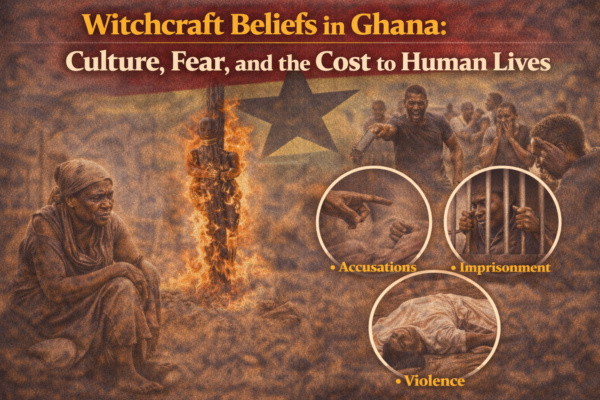
In Ghana, the overwhelming majority of people accused of witchcraft are women and girls. Nearly all victims killed during witch hunts are female. In the so-called “witch camps” or “outcast homes” in northern Ghana, it is rare to find a man among the residents. The population is almost entirely women—elderly women, widows, divorced women, poor…

Read More

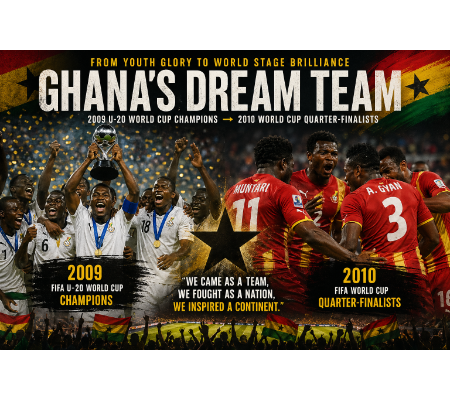
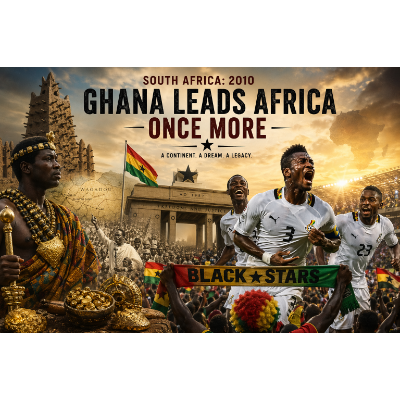
When the Black Stars locked horns with the Greatest football club: Real Madrid

Introduction: Why March Matters Every year, the month of March occupies a sacred place in Ghana’s historical calendar. On 6 March 1957, under the leadership of Kwame Nkrumah, the Gold Coast became Ghana — the first sub-Saharan African nation to gain independence from British colonial rule. March is therefore not merely commemorative; it is reflective….

Read More
Cultural perspectives on suicide in Akan society of Ghana

Suicide in Akan Society of Ghana

Suicide is defined as death resulting from self-directed harmful behavior carried out with the intent to die. A suicidologist is a professional who specializes in the scientific study of suicide and suicidal behavior. Suicidologists examine the causes of suicide, develop strategies for prevention, design and evaluate intervention measures, and study postvention—the responses and supports needed…

Read More

How Highlife Music Became Ghana’s Soundtrack from the Gold Coast Era to Today

Long before Ghana had a film industry or digital streaming platforms, music was the country’s most powerful form of entertainment—and Highlife became its loudest voice. From colonial ballrooms to roadside bars and global stages, Highlife music has shaped Ghana’s cultural identity for more than a century. The Birth of Highlife in the Gold Coast (1890s–1920s)…

Read More

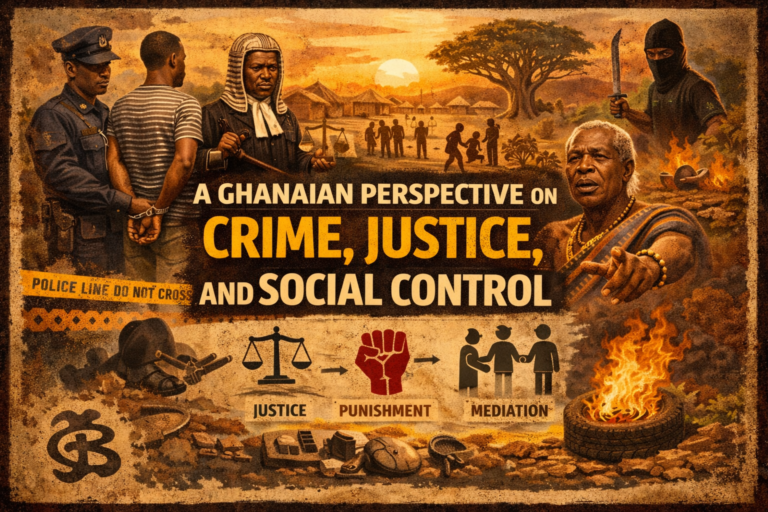
What Is Punishment—and Why Do Societies Punish?

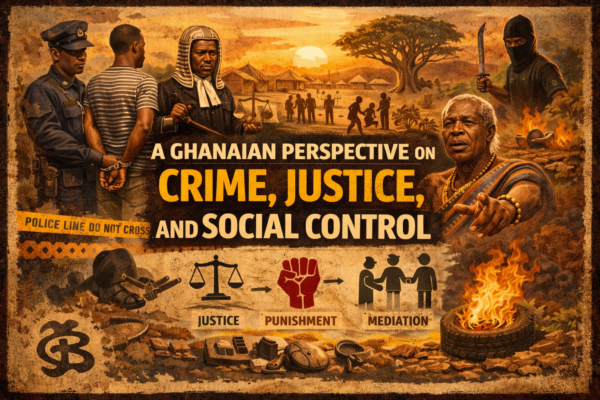
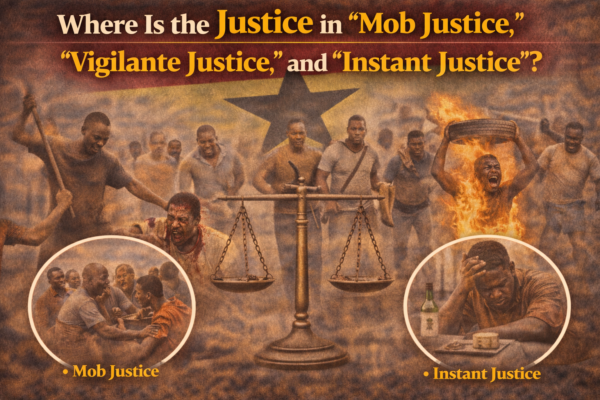
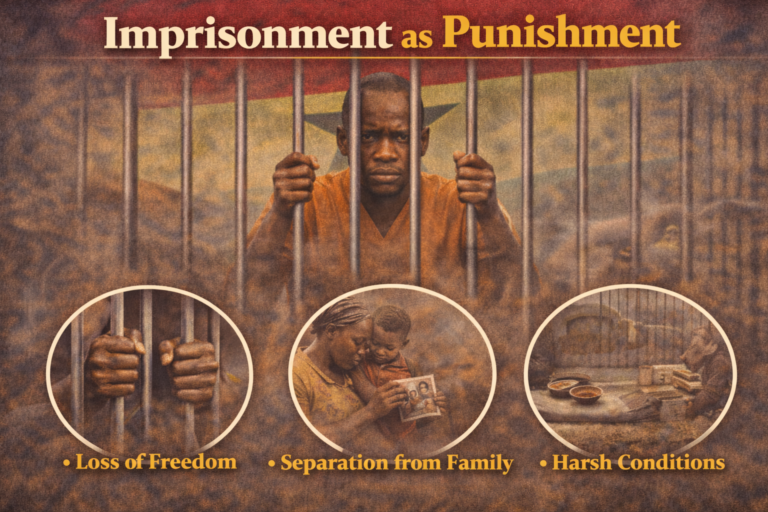
Punishment is a central feature of every organized society. While rewards are designed to encourage conformity and socially approved behavior, punishment exists to negatively sanction deviant behavior. When individuals act in ways that align with societal norms, they are often rewarded through praise, status, or material benefits. When they violate those norms, society—or its authorized…

Read More

Akan Deities and Their Day Names: Onyankopɔn Kwame, Asaase Yaa, Po Abenaa and Kofi Yesu

Among the Akan of Ghana, naming is never a casual act. Names locate a person in time, history, morality, and the spiritual universe. One of the most distinctive Akan naming practices is the giving of day names (kradin), assigned according to the day of the week on which a child is born. These names are…

Read More

Abuse of Househelps in Ghana: The Hidden Struggles of Child Domestic Workers

In Ghana, there exists a long-standing practice in which some parents send their children to live with other families as househelps. While this arrangement is often justified as a strategy for providing children with better opportunities, it has, in many cases, become a source of profound exploitation and suffering. Many of these children are sent…

Read More

Killing and Lynching of Women Accused of Witchcraft is a Crime

Violence against persons accused of witchcraft remains a troubling reality in parts of Ghana. Although our nation prides itself on hospitality, communal solidarity, and deep respect for human dignity, allegations of witchcraft too often trigger acts of cruelty that contradict these cherished values. It is time to speak plainly: killing or lynching a person accused…

Read More

The Ghana National Flag: Symbol of Unity, Freedom, and Heritage

A Historic Emblem of Independence The Ghana national flag is more than a piece of cloth fluttering in the wind; it is a powerful symbol of the country’s history, aspirations, and identity. First officially adopted on March 6, 1957—the same day Ghana became the first African nation to gain independence from colonial rule—the flag reflects…

Read More

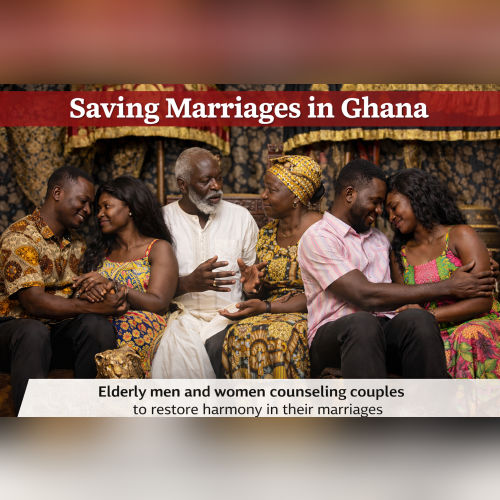
Rising Divorce in Ghana: Why Many Marriages Are Failing

In the past, Ghanaian marriages were widely regarded as enduring unions. Separations were rare, and divorce was uncommon. Marriages were expected to last a lifetime, sustained not only by the couple but also by their extended families and lineages. Today, however, the situation has changed dramatically. Marital breakdowns are increasingly common, and divorce has become…

Read More

Have Pride in Your Language: Keeping Ghanaian Heritage Alive

In Ghana today, many parents encourage their children to speak English, sometimes at the expense of local languages. This trend is common not only in Ghana but also among Ghanaian families living abroad. While parents may believe that prioritizing English will make their children academically brighter, this approach often has unintended consequences for cultural identity…

Read More