




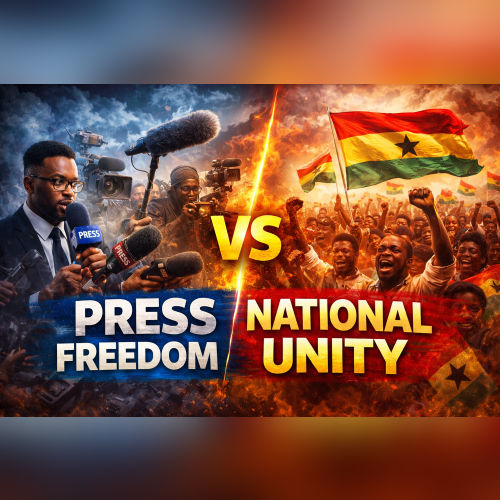
In the years surrounding Ghana’s independence and early nation-building period (roughly the mid-1950s through the early 1960s), one of the most persistent and consequential public discussions revolved around the tension between press freedom and national unity. Newspapers themselves became both the arena and the actors within this debate. Through editorials, political reporting, and public commentary, the Ghanaian press helped define how citizens understood the delicate balance between protecting democratic expression and safeguarding a fragile post-colonial state.
The Historical Context of the Debate
When Ghana gained independence in 1957, the new nation inherited not only colonial administrative structures but also colonial press traditions. During British rule, newspapers had played a dual role: they were platforms for nationalist mobilization but also targets of censorship laws designed to suppress dissent.
After independence, expectations were high that press freedom would expand significantly. Many journalists saw independence as the beginning of a truly open public sphere. However, the political realities of nation-building soon complicated this ideal.
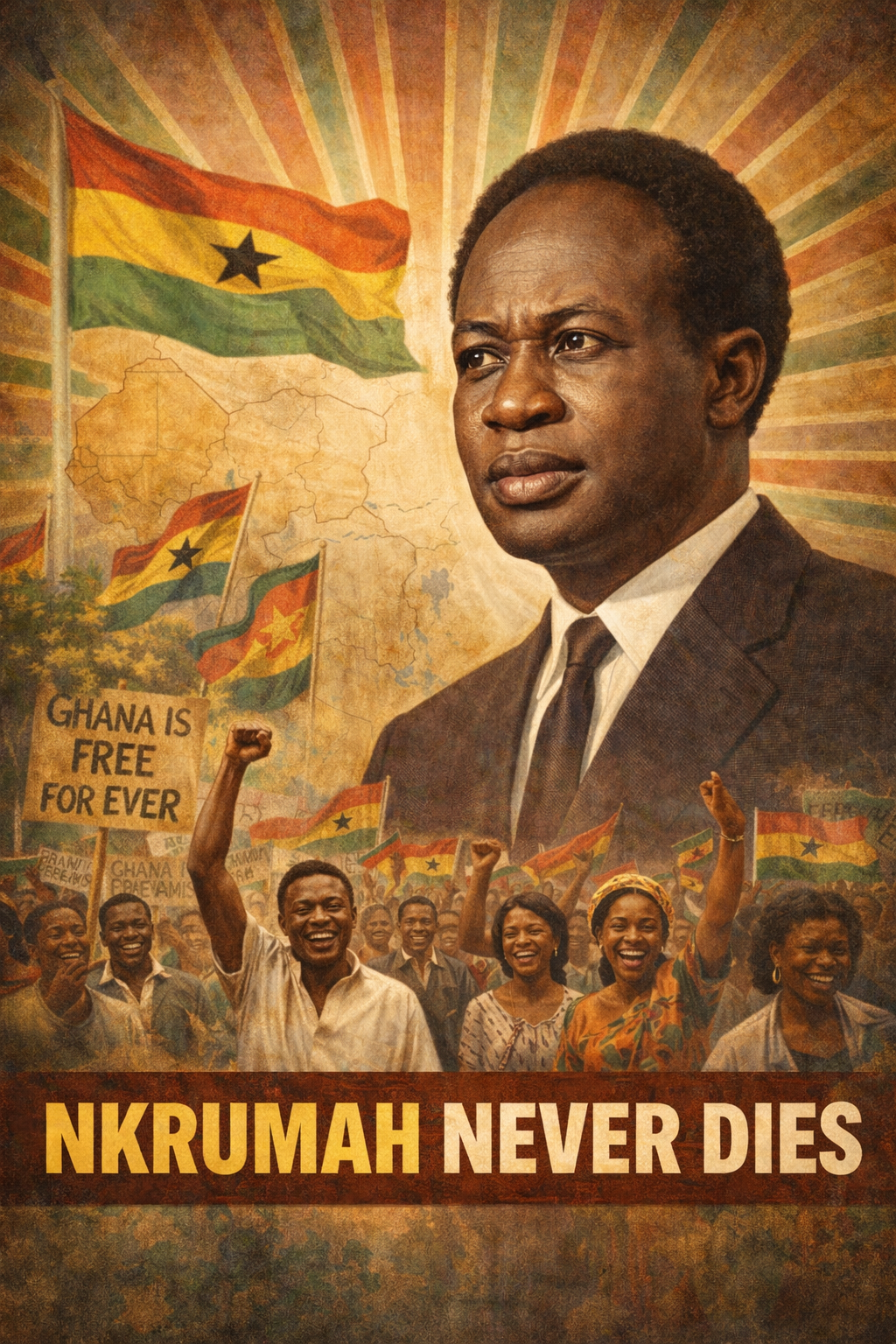
The leadership of Kwame Nkrumah and his ruling Convention People’s Party (CPP) emphasized national unity as the overriding priority. Ghana, like many newly independent African states, faced challenges including ethnic divisions, regional political rivalries, economic pressures, and Cold War geopolitical tensions. In this environment, the government argued that unrestricted press freedom could potentially undermine stability.
The Government’s Position: Unity First
State-aligned newspapers, particularly the Ghanaian Times and the Evening News, strongly supported the government’s position. Their coverage framed national unity as a prerequisite for democracy rather than a constraint upon it.
Editorials frequently emphasized several key themes:
- Ghana was a “young nation” vulnerable to internal divisions.
- Ethnic and regional political rhetoric could threaten national cohesion.
- The press had a patriotic duty to support nation-building efforts.
In these narratives, press freedom was not rejected outright, but portrayed as requiring responsible limits. Journalists were urged to practice “constructive criticism” rather than adversarial reporting.
Government speeches amplified in these newspapers often argued that Western models of press freedom were not entirely suitable for post-colonial African states facing unique developmental challenges.
Independent Press Perspectives: Freedom as Democracy’s Foundation
Opposition and independent newspapers presented a sharply contrasting viewpoint. Publications such as the Ashanti Pioneer and other regional papers argued that press freedom was essential to preventing authoritarianism.
Their editorials raised several concerns:
- Without a free press, government accountability would weaken.
- National unity could be used as a justification for suppressing dissent.
- A vibrant press was necessary to reflect Ghana’s diversity of opinions.
These newspapers often invoked the nationalist press tradition of the colonial era, reminding readers that newspapers had been crucial tools in the struggle against British rule. They argued that restricting the press after independence risked betraying the very ideals that had fueled the nationalist movement.
Legal and Structural Pressures
The debates were not purely theoretical—they were shaped by evolving legal and political realities. Laws such as the Avoidance of Discrimination Act (1958) and later preventive detention policies affected both political parties and the media.
Government control over major newspapers through ownership, licensing systems, and advertising allocation created structural advantages for pro-government narratives. Independent papers frequently struggled with:
- Financial difficulties
- Legal challenges
- Limited distribution networks
These constraints gradually narrowed the space for critical journalism, even as debates about press freedom continued publicly.
Public Engagement in the Debate
Newspapers also served as platforms for public participation through letters to the editor and opinion columns. Citizens expressed diverse views reflecting broader societal tensions.
Some readers supported restrictions, arguing that unity was vital for economic development and political stability. Others worried that excessive control would lead to dictatorship.
This exchange demonstrates that the debate was not simply a government-versus-press conflict—it was a national conversation about Ghana’s identity and political future.
Long-Term Impact on Ghanaian Media Culture
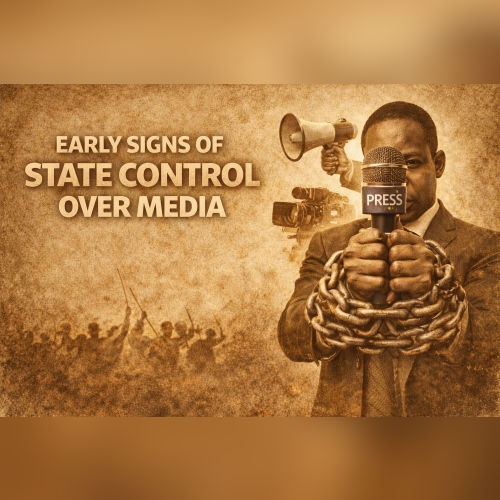
The press freedom versus unity debate shaped the trajectory of Ghanaian journalism for decades. By the early 1960s, the balance had shifted significantly toward state control, especially after Ghana became a one-party state.
However, the ideals articulated during these early debates did not disappear. They resurfaced in later periods of political liberalization, influencing subsequent struggles for media independence in Ghana’s democratic era.
Today, historians view this period as foundational in defining Ghana’s media ethics: the enduring tension between patriotic responsibility and watchdog journalism.
Conclusion
The debate between press freedom and national unity in early independent Ghana was a defining feature of the country’s political and media history. Government-aligned newspapers framed unity as essential for survival, while independent publications warned against sacrificing democratic principles.
Through their competing narratives, Ghanaian newspapers did more than report events—they actively shaped the nation’s understanding of democracy, responsibility, and the role of journalism in a newly sovereign state. These debates continue to resonate, reminding us that the relationship between media freedom and national stability remains one of the most complex challenges in any society undergoing transformation.