





When the Gold Coast achieved independence on March 6, 1957, becoming Ghana, the event generated immense public excitement and hope. For millions of Ghanaians, independence was not merely a constitutional change—it represented the promise of economic prosperity, political empowerment, social transformation, and a new national identity. Newspapers, political speeches, and public celebrations of the time reveal that expectations during the early days of independence were extraordinarily high, reflecting both the aspirations of ordinary citizens and the ambitious vision of nationalist leaders.
The Emotional Atmosphere of Independence
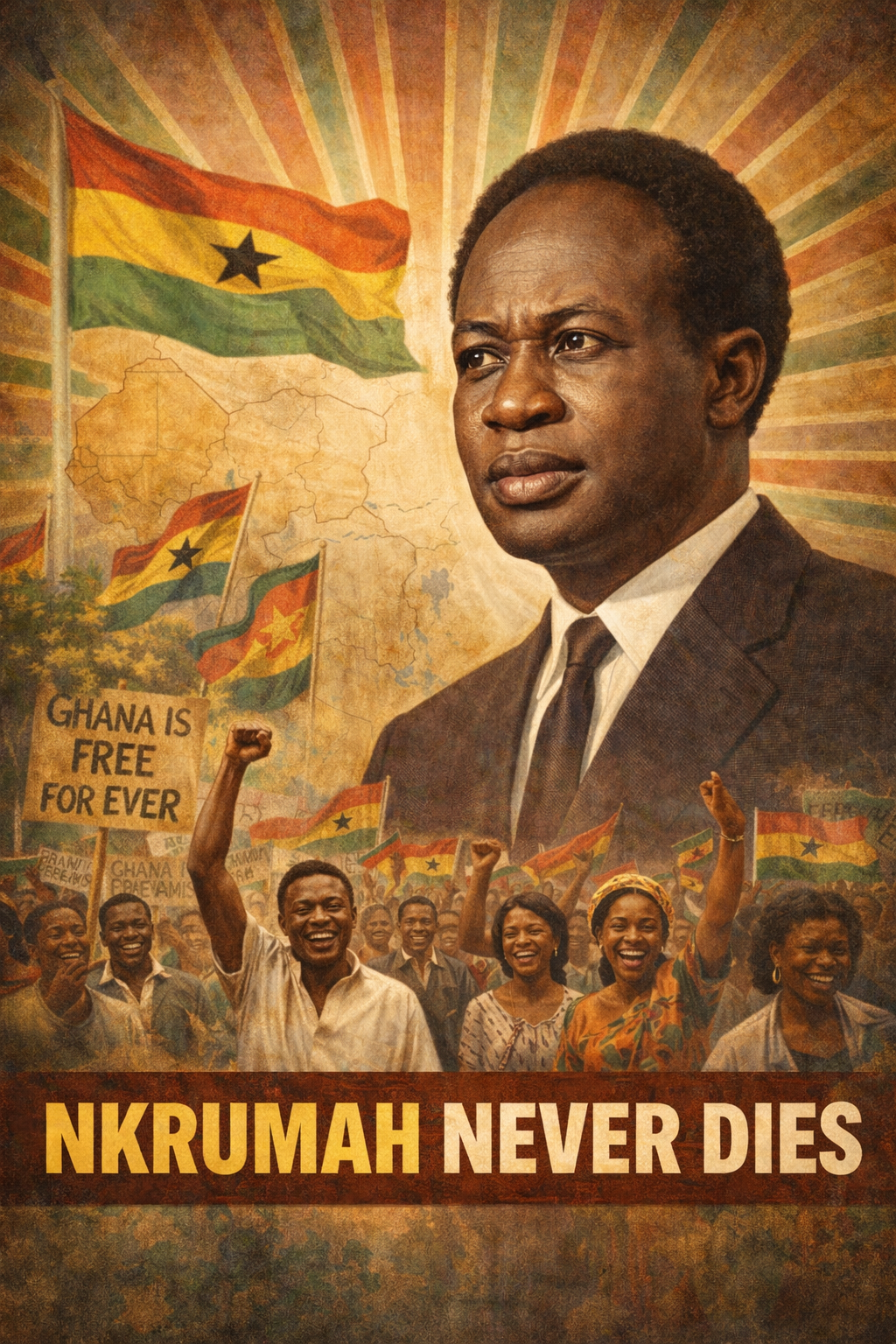
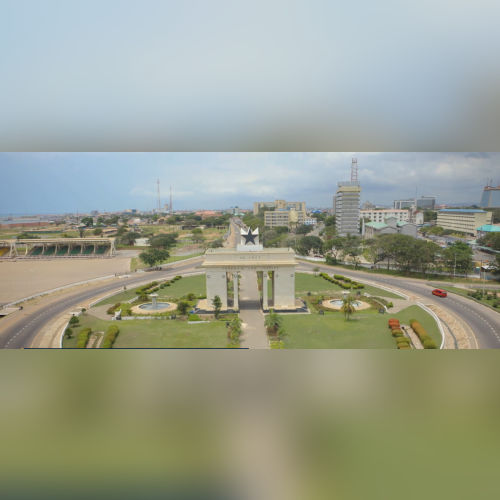
In the days immediately surrounding independence, the atmosphere across the country was one of overwhelming optimism. Newspapers described large crowds gathering in towns and villages to celebrate, often throughout the night. In Accra, thousands assembled at Independence Square to witness the historic ceremony marking the end of colonial rule.
For many citizens, independence symbolized a psychological liberation after decades of foreign control. The lowering of the British flag and the raising of Ghana’s red, gold, and green banner were widely interpreted as visible signs of dignity, sovereignty, and national pride.
This emotional moment fueled strong expectations about what independence would bring.
Expectations of Economic Prosperity
One of the most widespread public hopes concerned economic improvement. Many Ghanaians believed independence would lead to better living standards, employment opportunities, and increased control over national resources.
At the time of independence, Ghana was one of Africa’s most economically promising territories, largely due to its dominance in cocoa production and mineral exports. Citizens expected that revenues previously controlled by colonial authorities would now be used to improve infrastructure, healthcare, and social welfare.
Newspapers frequently highlighted development plans, reinforcing the perception that independence would quickly translate into tangible economic benefits.
Political Empowerment and Representation
Another major expectation involved political participation. Under colonial rule, Africans had limited influence over governance, despite gradual constitutional reforms. Independence created hopes that citizens would now have greater voice in decision-making processes.
Many people expected the new government to be more responsive to local needs, promote fairness, and ensure equal opportunities regardless of ethnicity or social background.
Political leaders, particularly Kwame Nkrumah, encouraged these expectations by emphasizing democratic ideals and popular participation in national development.
Social Transformation and Modernization
Independence was also associated with expectations of rapid social progress. Citizens anticipated improvements in education, healthcare, housing, and transportation.
Nationalist rhetoric frequently linked independence with modernization. Newspapers published stories about planned industrial projects, road construction, and expansion of schools, creating a sense that Ghana was entering a new era of advancement.
These expectations reflected both the aspirations of ordinary people and the developmental priorities of the new government.
Pan-African and Global Aspirations
Public expectations extended beyond national boundaries. Ghana’s independence was widely seen as a milestone for the entire African continent. Many citizens believed their country would play a leading role in supporting liberation movements across Africa.
Nkrumah’s speeches emphasized Ghana’s responsibility to promote African unity and global anti-colonial solidarity. This vision generated pride among Ghanaians, who saw themselves as participants in a broader historical transformation.
Newspapers reinforced this outlook by highlighting congratulatory messages from other nations and international leaders.
Challenges and Emerging Realities
Despite widespread optimism, the early days of independence also contained underlying challenges that were not always fully recognized by the public. Economic inequalities, administrative constraints, and political tensions continued to exist.
Some citizens expected immediate improvements that were difficult to achieve quickly. As a result, there was a gradual realization that independence alone could not instantly resolve complex structural issues inherited from colonial rule.
Nevertheless, the initial period remained characterized by strong belief in the nation’s future potential.
Role of Newspapers in Shaping Expectations
Newspapers played a central role in shaping public expectations during the early independence period. Through editorials, reports, and special supplements, they highlighted government development plans, national achievements, and optimistic projections.
This coverage reinforced public confidence and contributed to the widespread perception that Ghana was embarking on a transformative journey.
At the same time, newspapers also served as forums for debate, allowing citizens to express hopes, concerns, and aspirations for the new nation.
Long-Term Historical Significance
The expectations formed during the early days of independence have had lasting influence on Ghana’s political culture. They established benchmarks against which subsequent governments have been evaluated.
Many of the aspirations expressed in 1957—economic prosperity, social equity, and democratic governance—continue to shape national discourse today.
These enduring expectations reflect the profound historical importance of independence as a defining moment in Ghana’s collective identity.
Conclusion
Public expectations in the first days of Ghana’s independence were marked by intense optimism and ambitious hopes for economic development, political empowerment, and social progress. Fueled by nationalist rhetoric, media coverage, and the symbolic power of liberation, these expectations reflected a deep belief in the transformative potential of self-rule.
Although subsequent realities proved more complex, the early aspirations of 1957 remain central to understanding Ghana’s historical trajectory and its continuing pursuit of national development and unity.