

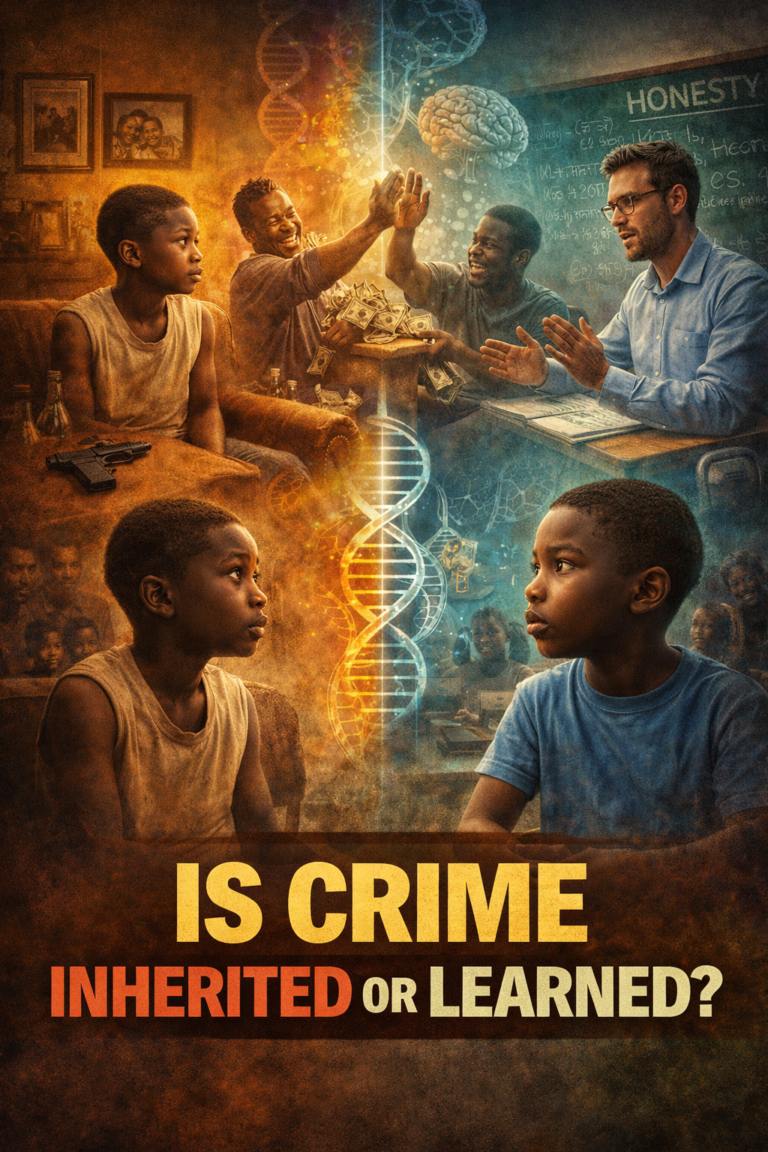



Causes of Juvenile Delinquency in Ghana

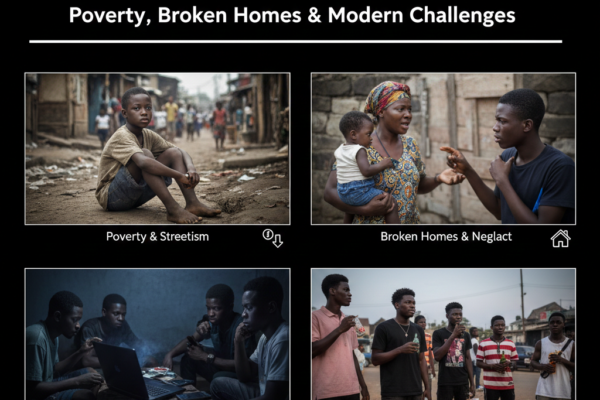
Children and the Future of the Nation Children are the future of every society. When a nation fails to nurture and guide its children properly, it mortgages its own future. Ghana today faces a troubling situation: unless deliberate efforts are made to mould children into disciplined, responsible, and law-abiding citizens, the consequences will be felt…
Read More

Causes of Child Abuse in Ghana

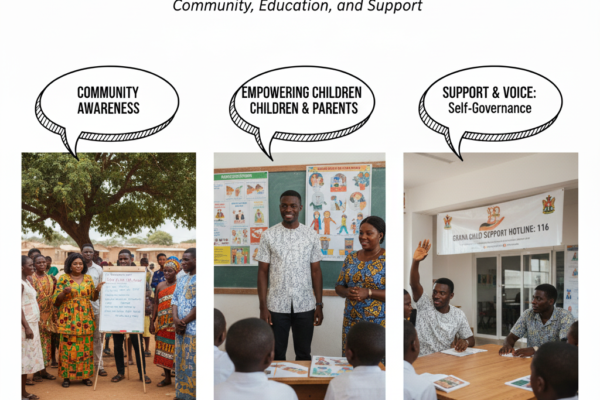
Every year, thousands of children in Ghana suffer abuse at the hands of those entrusted with their care—parents, guardians, and relatives. Reports of battered, neglected, and traumatized children frequently appear in the Ghanaian mass media, often accompanied by disturbing images and heartbreaking details. In many cases, the abuse results in severe physical injuries; in others,…

Read More

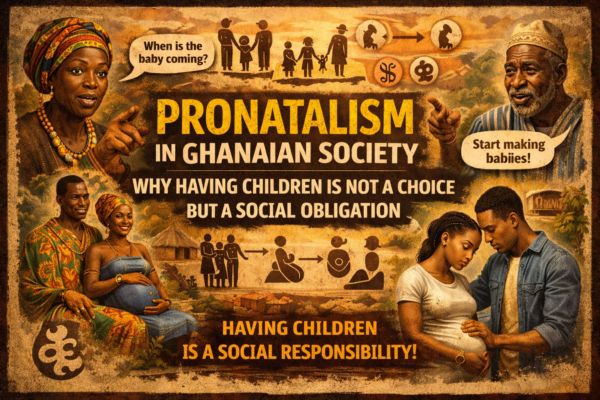
Pronatalism in Ghanaian Society: Why Having Children Is Not a Choice but a Social Obligation

Pronatalism refers to a strong cultural and social preference for having children, often accompanied by expectations that adults should reproduce as a normal and desirable life course. In Ghanaian society, having one’s own child is not merely a personal choice; it is widely regarded as a social obligation. Adulthood is culturally incomplete without parenthood, and…

Read More

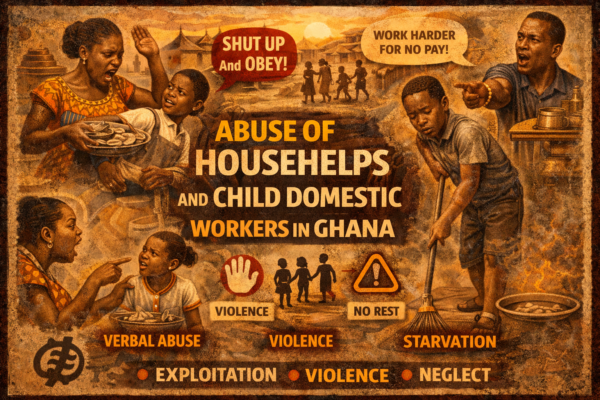
Abuse of Househelps in Ghana: The Hidden Struggles of Child Domestic Workers

In Ghana, there exists a long-standing practice in which some parents send their children to live with other families as househelps. While this arrangement is often justified as a strategy for providing children with better opportunities, it has, in many cases, become a source of profound exploitation and suffering. Many of these children are sent…

Read More

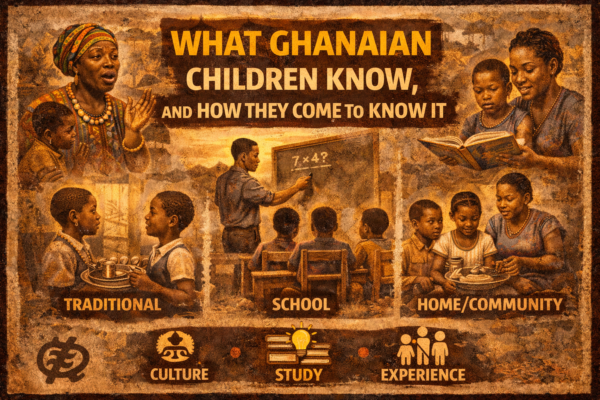
What Ghanaian Children Know, and How They Come to Know It

No one is born with knowledge. Human beings are born with the capacity to learn, but what they eventually know—how they speak, think, behave, believe, and interpret the world—is acquired from society. Knowledge, values, attitudes, and skills are socially produced and socially transmitted. By the time a Ghanaian child reaches the age of eighteen, that…

Read More

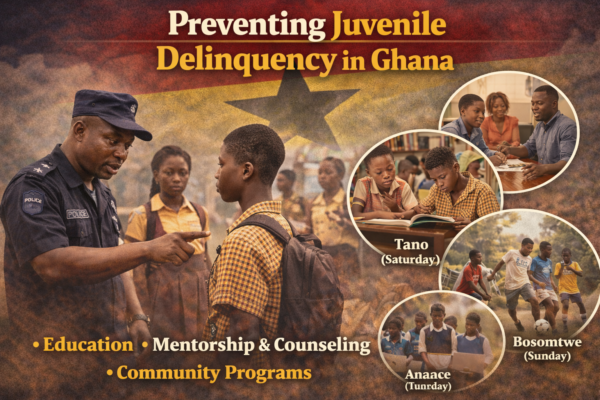
Causes of Juvenile Delinquency in Ghana

Children are the future of every society. Yet Ghana faces a serious challenge if urgent steps are not taken to ensure that today’s children are properly guided and nurtured to grow into law-abiding and responsible citizens. In recent years, there has been a noticeable increase in juvenile delinquency across the country. Many children are skipping…

Read More

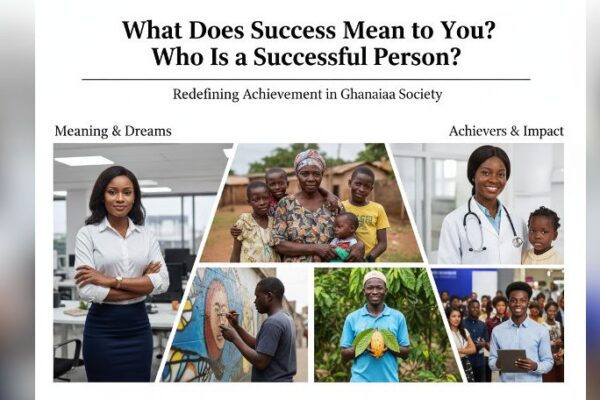
What Does Success Mean to You? Who Is a Successful Person?

Almost everyone dreams of success. From childhood, we are taught to aspire, to achieve, and to “make it” in life. Parents encourage their children to succeed, communities celebrate successful people, and society often rewards those it considers accomplished. But an important question remains: What does success really mean—and who should be considered a successful person…

Read More

Have Pride in Your Language: Keeping Ghanaian Heritage Alive

In Ghana today, many parents encourage their children to speak English, sometimes at the expense of local languages. This trend is common not only in Ghana but also among Ghanaian families living abroad. While parents may believe that prioritizing English will make their children academically brighter, this approach often has unintended consequences for cultural identity…

Read More