






A Historic Emblem of Independence
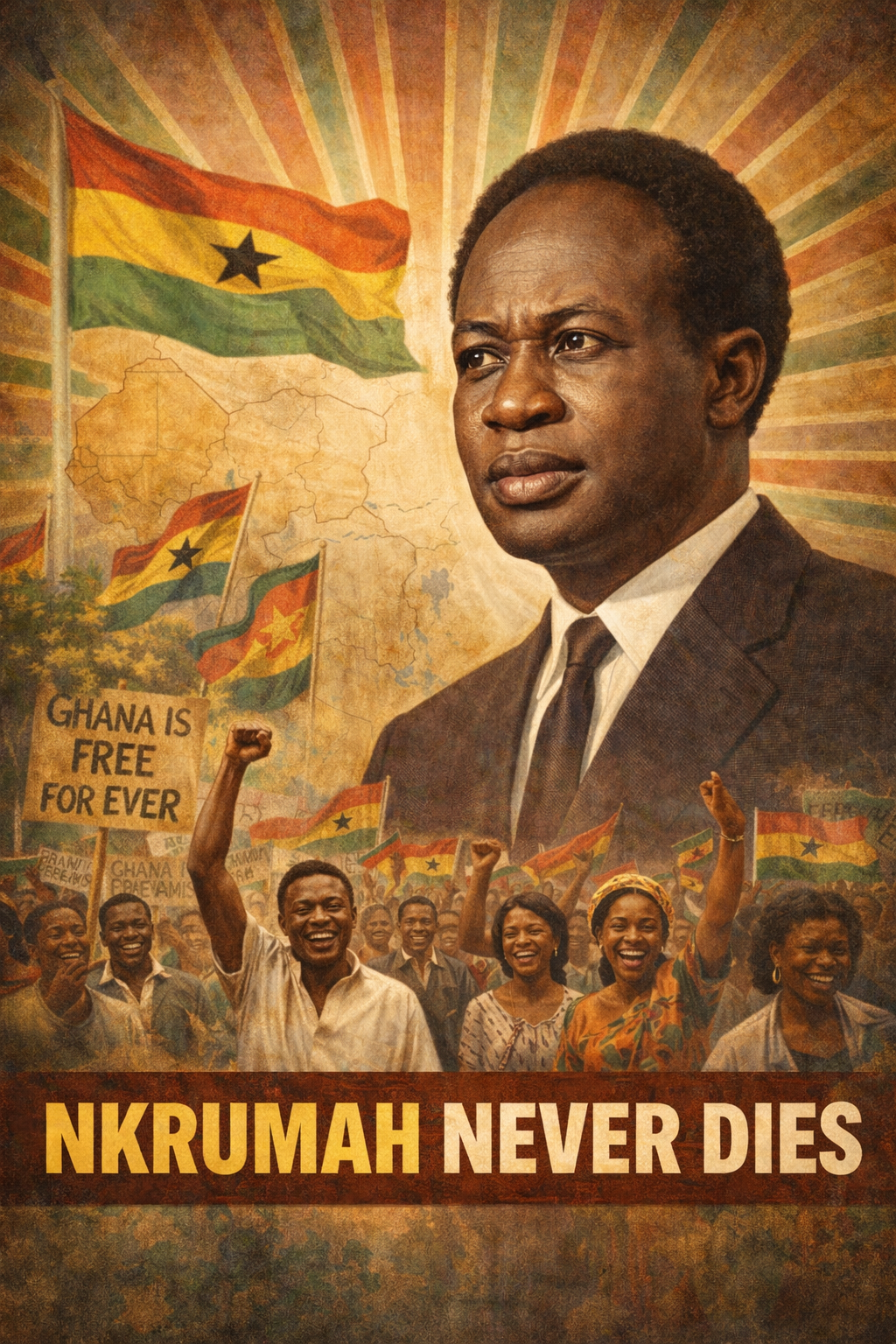
The Ghana national flag is more than a piece of cloth fluttering in the wind; it is a powerful symbol of the country’s history, aspirations, and identity. First officially adopted on March 6, 1957—the same day Ghana became the first African nation to gain independence from colonial rule—the flag reflects the pride and unity of a people who fought for freedom and self-determination. It has since become an enduring emblem of Ghana’s values and heritage.
Design and Symbolism
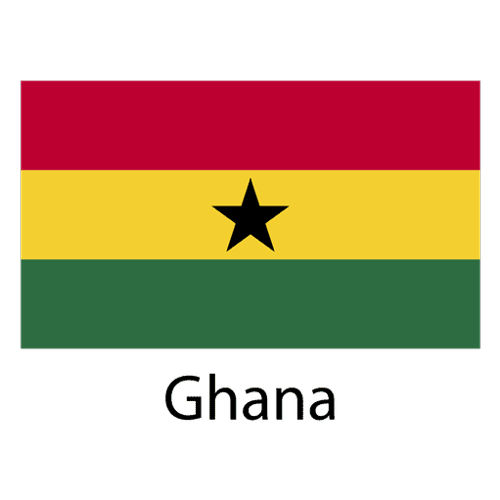
Designed by the renowned Ghanaian artist Theodosia Okoh, the flag features three horizontal stripes of red, gold, and green, with a black five-pointed star at the center of the gold stripe. Each element carries profound meaning. The red stripe represents the blood of those who sacrificed their lives in the struggle for independence, paying the ultimate price to secure the nation’s freedom. It is a solemn reminder of the courage, resilience, and determination of Ghana’s founding fathers and freedom fighters.
The gold stripe symbolizes the country’s rich mineral wealth, particularly its world-renowned reserves of gold, which have historically attracted traders and shaped Ghana’s economic development. Beyond its literal meaning, the gold stripe also reflects hope, prosperity, and the promise of a brighter future for all Ghanaians. The green stripe represents Ghana’s lush vegetation, agricultural wealth, and the abundance of natural resources that sustain the livelihoods of millions. Green, in this sense, embodies growth, renewal, and the nation’s deep connection to its land.
The Black Star: A Beacon of African Freedom
At the center of the gold stripe lies a black star, which carries its own historic and symbolic significance. Often referred to as the “Lodestar of African Freedom,” the black star represents African emancipation and the unity of people of African descent around the world. Its inclusion in the Ghanaian flag underscores the country’s pioneering role in the continent’s struggle for independence and serves as a beacon of hope for liberation movements across Africa. The star also reflects Ghana’s commitment to leadership, courage, and guiding its people towards justice and equality.
A Symbol of National Pride
Over the decades, the flag has been a source of national pride and identity, flown at government offices, schools, stadiums, and international events. It is prominently displayed during national celebrations such as Independence Day, when Ghanaians from all walks of life come together to honor their country’s history, culture, and progress. The flag also serves as a unifying symbol during challenging times, reminding citizens of their shared values, heritage, and collective aspirations.
Inspiration beyond Borders
The Ghanaian flag has inspired other nations and movements, particularly across Africa. Its design and symbolism influenced the creation of the Pan-African colors, which have been adopted by several African countries to represent freedom, unity, and solidarity. In Ghana, the flag is not only a national emblem but also a teaching tool, instilling lessons of patriotism, civic responsibility, and pride in the younger generation. Children learn to salute the flag in schools, understand the meaning of its colors, and recognize the sacrifices that led to its creation.
A Living Symbol
Today, the Ghana national flag continues to transcend its physical form. It is a symbol in art, music, sports, and politics, representing the dreams, achievements, and identity of a nation. For Ghanaians at home and abroad, the flag evokes a sense of belonging, resilience, and hope. It reminds the country of its past struggles, celebrates its present achievements, and inspires a vision for a future defined by unity, prosperity, and peace.
Freedom, Resilience, and Hope
In essence, the Ghana national flag is more than a patriotic emblem. It is a living symbol of the nation’s journey, from colonial subjugation to independence, from struggle to unity, and from aspiration to achievement. It embodies the spirit of a people determined to chart their own destiny and serves as a constant reminder of the values that define Ghana—freedom, resilience, and hope for generations to come.