






Imprisonment is one of the most common punishments for crime in many societies, including Ghana. It is also known as incarceration. While courts have several options for punishing offenders—such as fines, probation, or community service—prison sentences are usually reserved for serious crimes like robbery, burglary, aggravated assault, and murder.
Incarceration is often misunderstood. People sometimes think prisoners are punished inside prison through harsh treatment. In reality, being sent to prison is itself the punishment. What inmates experience while confined—the many losses and restrictions of prison life—are what scholars describe as the pains of incarceration.
Prison Security Levels and the Severity of Incarceration
Not all prisons are the same. There are different levels of prison security, and the pains of incarceration vary depending on where an inmate is housed. The main categories are minimum security, medium security, and maximum security prisons. In some countries, there are even super-maximum security, or supermax, prisons designed for the most dangerous offenders.
Minimum security prisons have the least restrictions. Inmates in these facilities usually have more freedom of movement, greater access to work programs, and more contact with others. As a result, the pains of incarceration in minimum security prisons are relatively lower compared to other facilities.
Medium security prisons impose stricter controls. Movement is more limited, supervision is heavier, and daily routines are more rigid. Inmates in medium security prisons experience greater deprivation than those in minimum security prisons, including reduced privileges and fewer personal choices.
Maximum security prisons are the most restrictive. Inmates are closely monitored, movement is highly controlled, and contact with others is sharply limited. The pains of incarceration in maximum security prisons are therefore much more severe than in medium security facilities. Life in such prisons involves intense isolation, strict discipline, and profound loss of autonomy.
In countries that operate supermax prisons, deprivation reaches its highest level. Inmates may spend most of their time in solitary confinement with minimal human contact. These facilities represent the extreme end of incarceration, where the pains of imprisonment are at their most intense.
Understanding these differences helps the public see that imprisonment is not a single experience. The level of suffering and deprivation an inmate endures depends greatly on the security level of the prison in which they are confined.
Prison as Punishment
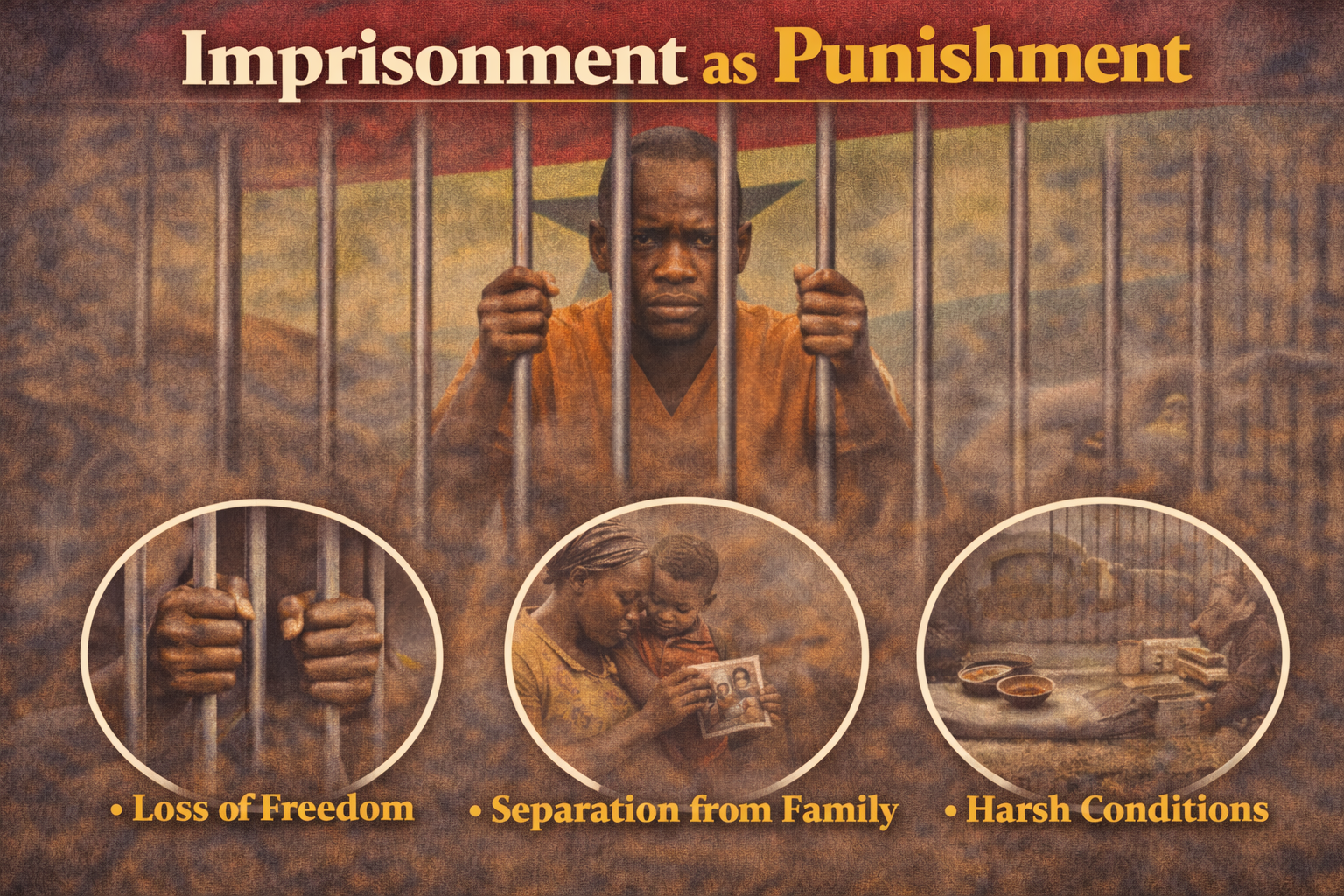
For those sentenced to prison, the punishment is not additional suffering imposed daily by officers or authorities. The punishment lies in loss of freedom, autonomy, comfort, and normal social life. Prison removes individuals from society and places them under strict control, limiting almost every aspect of daily living.
Loss of Freedom
The most obvious pain of incarceration is the loss of freedom. Prisoners are confined to a restricted space and cannot move about freely. They cannot decide where to go, when to leave, or how to organize their daily lives. This constant restriction of movement is one of the deepest psychological burdens of imprisonment.
Sexual Deprivation
Another significant pain of incarceration is sexual deprivation. Heterosexual inmates are deprived of the opportunity for heterosexual sexual relations while in prison. For many incarcerated people, this prolonged deprivation is emotionally and psychologically distressing, even if it is rarely discussed openly.
Loss of Choice in Food
In prison, inmates do not choose what they eat. Meals are provided according to prison schedules and menus, not personal preference. Whether an inmate likes the food or not, they must eat what is given—or go hungry. This loss of choice over something as basic as food is another daily reminder of imprisonment.
Loss of Personal Clothing
Incarcerated persons are generally not allowed to wear clothes of their choosing. Most prisons require inmates to wear officially issued uniforms. Clothing, which is a basic expression of personal identity and dignity, becomes regulated and standardized, reinforcing the loss of individuality.
Separation from Loved Ones
Imprisonment also separates people from their families and loved ones. Visits are limited, controlled, and often infrequent. Only approved visitors are allowed, and even then, visits may be short and emotionally difficult. This enforced distance places heavy strain on family relationships and personal bonds.
Do the Pains of Incarceration Deter Crime?
For some individuals, the pains of incarceration are powerful enough to discourage future offending. The loss of freedom, family contact, and personal autonomy serves as a strong warning not to return to prison.
For others, however, these pains are not sufficient deterrents. Some former inmates reoffend after release, raising important questions about rehabilitation, reintegration, and the effectiveness of imprisonment as a long-term solution to crime.
A Broader Reflection
Understanding the pains of incarceration helps the public appreciate what prison truly represents. It is not a place of comfort or privilege, but one of deprivation and control. At the same time, it reminds society of the need to balance punishment with rehabilitation, ensuring that those who leave prison are better prepared to live lawful, productive lives.