




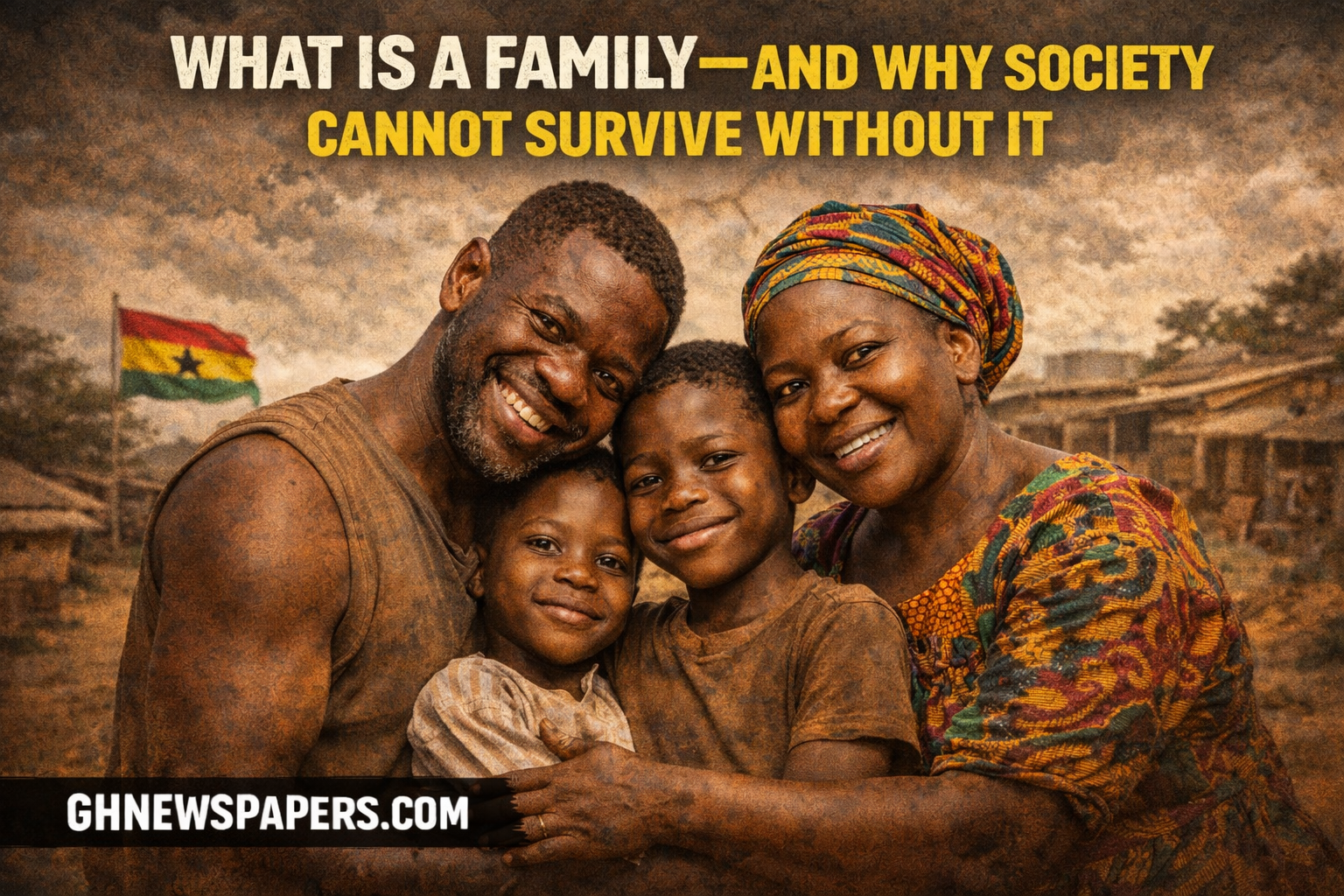
In an age of rapid social change, urbanization, and shifting lifestyles, it is worth asking a simple but important question: What is a family, and why do we still need one? Despite changes in how people live and relate to one another, the family remains the most fundamental institution in every society.
Anthropologists who have studied human societies across the world agree on one thing: the family is a cultural universal. This means that no society has ever existed without some form of family. Families may look different from one culture to another, but their importance remains the same everywhere.
At its core, a family is a group of people related through blood, marriage, or adoption. The most commonly recognized form is the nuclear family, made up of parents and their dependent children. In Ghana and many African societies, the extended family is equally important. It brings together grandparents, parents, children, and other relatives who share responsibilities, resources, and emotional ties.
One of the most critical functions of the family is reproduction. Through marriage and stable relationships, children are born and nurtured. Without families to bring new members into society and raise them, human communities would eventually disappear. The family, therefore, is essential to the continuity of society itself.
Beyond reproduction, the family plays a crucial role in care and protection. Children are born helpless and depend entirely on adults for survival. The elderly, too, often rely on family members for care and support. Families provide food, clothing, shelter, and protection—needs that no society can ignore without serious consequences.
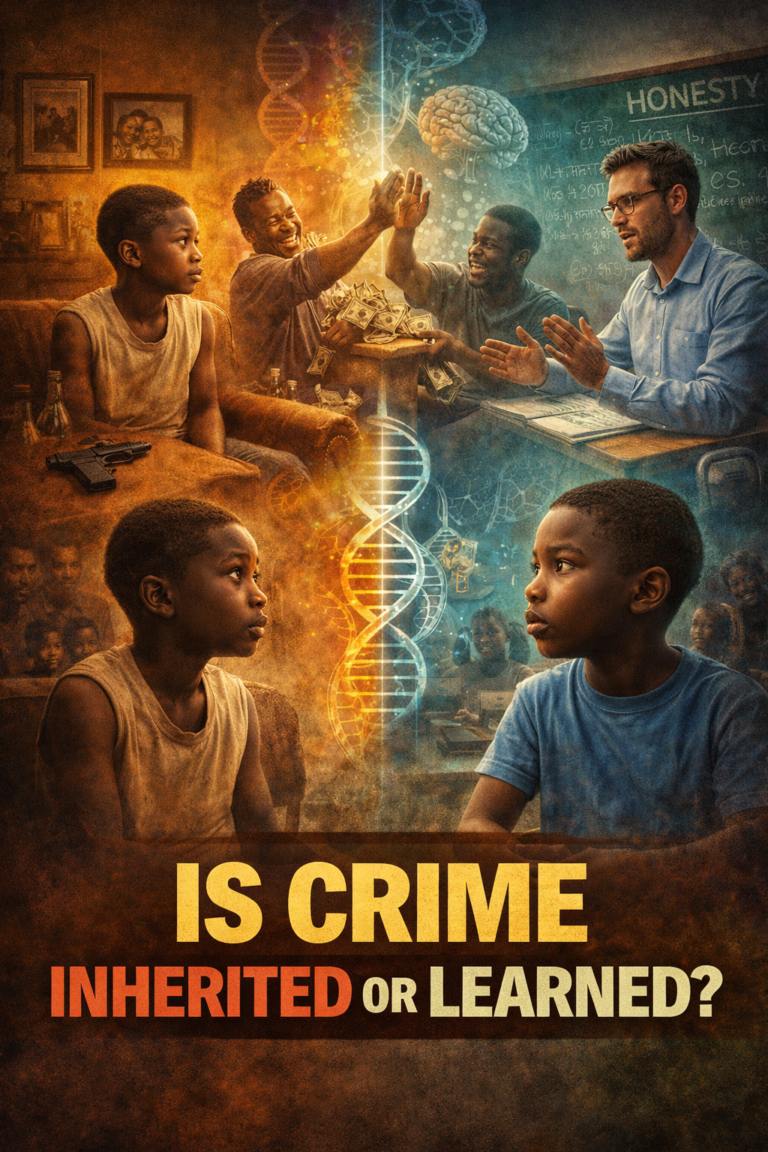
The family is also the first and most important school a child ever attends. It is within the family that children learn their language, values, beliefs, customs, and moral rules. Parents and caregivers teach children what is acceptable and unacceptable behavior through guidance, discipline, rewards, and sometimes punishment. This process, known as socialization, prepares children to function as responsible members of society.
Another vital function of the family is the regulation of sexual behavior. In every known society, families establish clear rules about who may and may not have sexual relations. Incest—sexual relations between close relatives such as parents and children, siblings, grandparents, and grandchildren—is strictly forbidden. These rules protect family stability and social order.
Equally important, though often overlooked, is the family’s role in providing emotional support. Families are places where individuals find love, acceptance, and comfort. In times of sickness, failure, grief, or stress, family members offer emotional security that no institution can easily replace.
Today, some people argue that the family is losing its relevance. Yet the challenges facing modern societies—rising loneliness, mental health struggles, youth indiscipline, and care for the aged—only reinforce how essential strong families remain. When families weaken, societies feel the strain.
The family is not a perfect institution, but it is an indispensable one. It gives individuals identity, belonging, and stability. It nurtures children, cares for the vulnerable, transmits culture, and holds society together.
As Ghana and other African societies modernize, we must adapt—but not abandon—the family. Strengthening families is not about clinging to the past; it is about securing the future. A society that invests in strong families invests in its own survival.