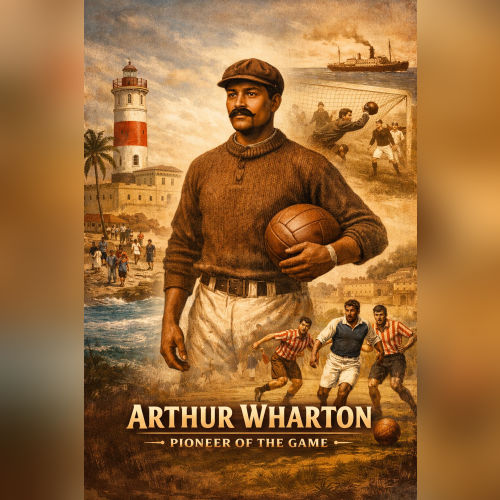




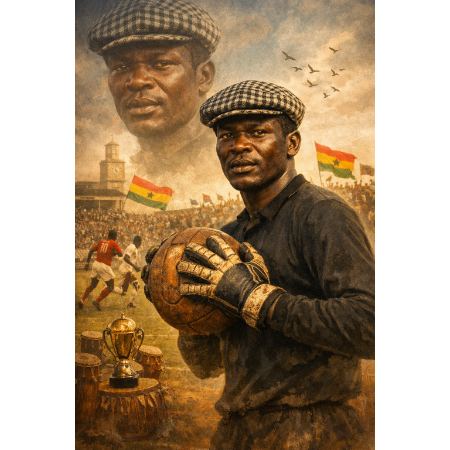
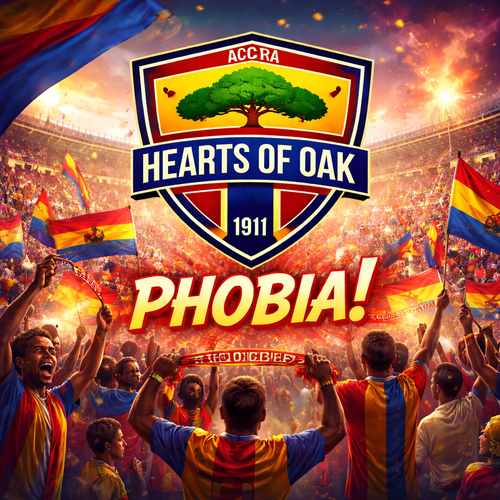
Accra Hearts of Oak Sporting Club was formally established on 11 November 1911 in Accra (then part of the British colony called the Gold Coast). Founded by a group of young men, including Christopher Brandford Nettey and Akom Duncan, it was part of the earliest wave of organized football in the region — at a time when the sport was introduced largely by colonial structures such as railways and mission schools. The club took its name “Hearts of Oak” from a British naval song symbolizing strength and resilience, a motif that resonated with local youth and workers seeking camaraderie and community through sport.
From the outset, Hearts of Oak was more than a team; it was a social phenomenon. In the early decades of the 20th century, football in the Gold Coast operated not merely as recreation but as a vehicle for communal identity and collective aspiration. Matches were public spectacles in places such as Ussher Town and James Town, meeting points for people of diverse Ga, Fante, and Akan backgrounds whose social lives were deeply shaped by urban migration and colonial labor structures. This environment created fertile ground for powerful fan cultures well before independence.
“Phobia”: From Fear to Identity
The nickname “Phobia” — and by extension “Phobians” to describe supporters — did not exist at the club’s founding. It emerged later in the mid-20th century, roughly around the 1960s, when Hearts of Oak began to dominate local football so thoroughly that opponents and supporters alike came to associate fear with playing against them. According to historical accounts, spectators and rival fans would literally say that other teams experienced a “phobia” — a strong fear — when facing Hearts, due to their consistent ability to overturn scores and win under pressure.
This term was not coined as a sterile label but through spoken interaction in the stadium, in markets, and on street corners. In local conversation, especially among Ga-speaking fans, the pronunciation of Phobia could stretch into a drawn-out “Phoooobia,” mimicking both the psychological term for fear and a celebratory chant. Over time this usage spread to English and Twi speakers alike, merging into the club’s vernacular identity.
In linguistics and fan sociology, this reflects what scholars call “performative naming”: names that arise from repeated social performance — chants, narratives, and crowd storytelling — and then stick because they resonate with shared experience. The term “Phobia” became shorthand for rival dread and fan pride, especially as Hearts compiled victories over competitors at home and away.
Beyond Football: Phobia as Cultural Memory
By the late colonial period and into early independence, the Phobia identity had entrenched itself in Accra’s urban fabric. It was not simply the fear that other teams felt, but a collective badge of honor that supporters wore with pride — a testament to persistence, resilience, and community loyalty. In this sense, “Phobia” had become a cultural signifier, connecting Ghana’s pre-independence football culture with broader linguistic and social practices around naming, pride, and collective memory.
Today, even official club branding and fan chants — not to mention commercial products like “Phobia”-branded drinks in the early 2000s — celebrate this identity.