



African soldiers and the spread of football

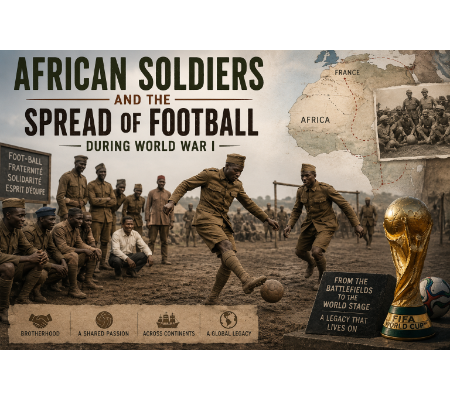
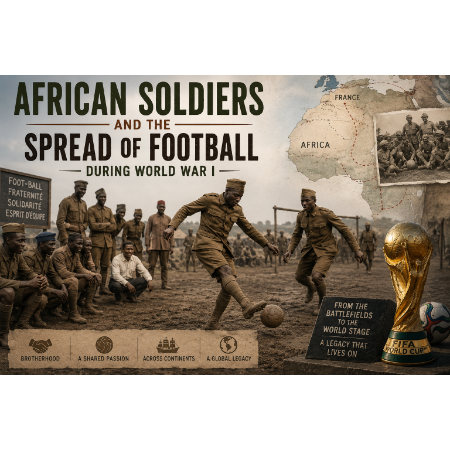
African Soldiers and the Spread of Football During World War I

When historians discuss the global spread of football, the story is often told through familiar names and places: English schools, British sailors, South American ports, and European clubs. Yet hidden within the trenches, military camps, and colonial regiments of the First World War lies another powerful chapter — one written by African soldiers. During World…

Read More

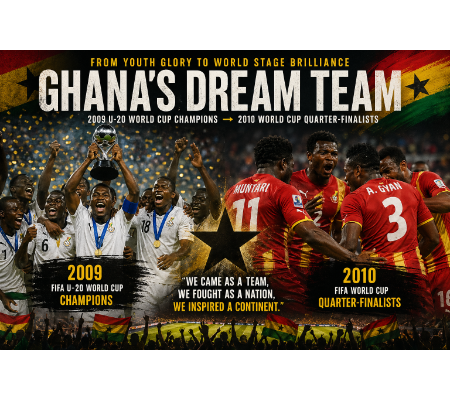
Exploits and achievements of Ghana’s “Dream Team”

The story of Ghana’s “Dream Team” is not merely a sporting tale; it is a generational narrative—one that reflects continuity, discipline, and the organic evolution of talent within Ghanaian football. Though the phrase “Dream Team” is more commonly associated with Olympic squads, in Ghanaian discourse it has come to affectionately describe the U-20 national football…

Read More

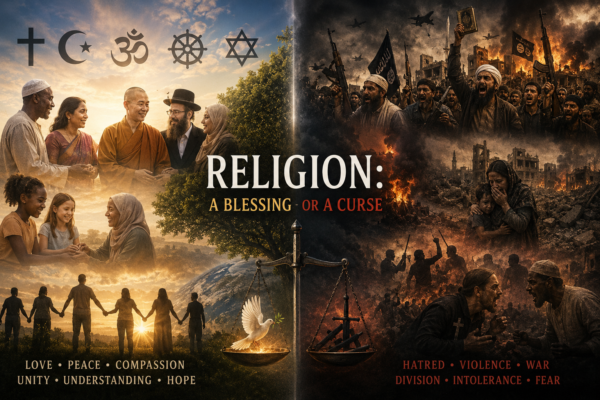
Religion: A Blessing or a Curse, A Boon or a Bane?

The world today is full of religions. By merely casting a cursory glance around us, we encounter Christians and Christianity, Hindus and Hinduism, Muslims and Islam, atheists, agnostics, traditionalists, Zionists, Jews and Judaism, Confucianists and Confucianism, Shintos and Shintoism. Religion, as sociologists and comparative cultural anthropologists remind us, is a social institution and a cultural…

Read More

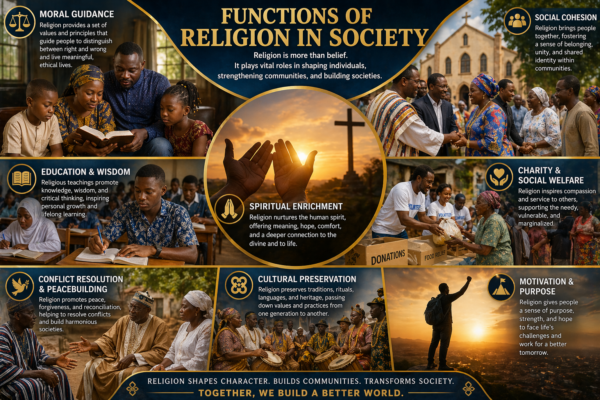
Functions of Religion in Society

Scholars who study society—sociologists, anthropologists, and others—have long observed that religion exists in every known culture. Because of this, religion is often described as a cultural universal. It is not limited to one people or place; it is a shared human experience. In today’s world, religion remains widespread. About 2 billion people identify as Muslims,…

Read More

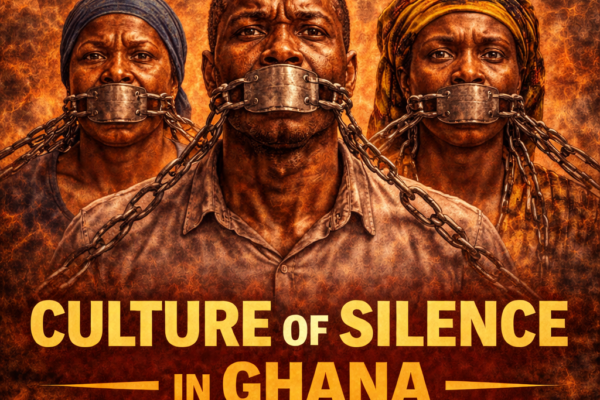
Culture of Silence and Endurance in Ghanaian Society

An observable feature of Ghanaian social life is a recurring tendency toward silence in moments that might otherwise call for resistance or confrontation. Even when individuals experience clear forms of mistreatment, there is often a strong social and cultural pull toward restraint rather than action. People are frequently encouraged to endure, to exercise patience, and…

Read More

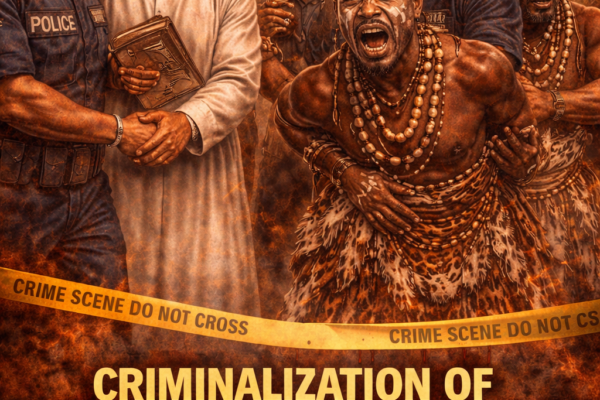
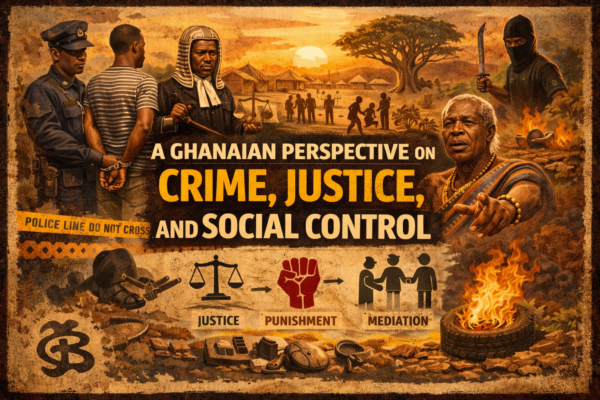
Criminalizing Witchcraft Accusations in Ghana: Prospects, Limits, and the Logic of Deterrence

Introduction The question of whether the criminalization of witchcraft accusations would have any meaningful impact in Ghana requires careful and systematic analysis. At present, witchcraft accusations are largely non-criminal, meaning there are no specific laws prohibiting individuals from accusing others of being witches. As a result, those who make such accusations do not face arrest,…

Read More

How Colonialism, Christianity, and Missionary Education Destroyed African Culture and Transformed Africans

With colonialism came missionaries who sought to convert Africans to Christianity and, in the process, reshape African ways of life. This encounter was not culturally neutral. It involved a systematic attempt—sometimes subtle, often overt—to redefine African identity, values, and social institutions. While missionary education brought literacy and formal schooling, it also carried profound cultural consequences…

Read More

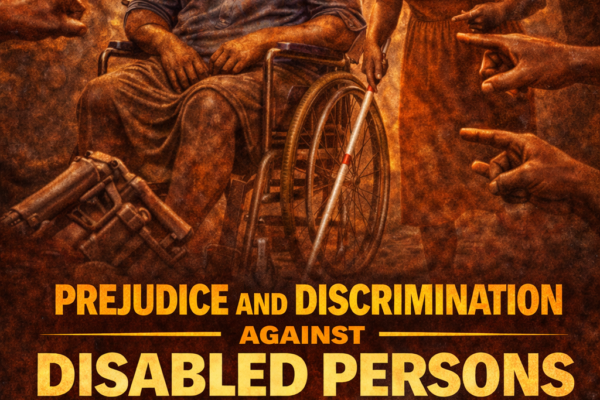
Prejudice and Discrimination Against Disabled People in Ghana

In every society, including Ghana, there exist disabled people living with various forms of disability. These disabilities take many shapes and forms. Some are physical, affecting mobility, sight, hearing, or bodily function. Others are mental or psychological, influencing cognition, emotional regulation, or social interaction. Disability is not confined to any particular group in society; it…

Read More

How Rules Become Laws: Examples from Ghana

Rules, Laws, and Social Order All human societies are governed by rules. These rules regulate behavior by defining what individuals may do and what they must refrain from doing. Without such rules, social life would be chaotic, unpredictable, and ultimately unsustainable. Rules make social interaction possible by creating order, stability, and mutual expectations among members…

Read More

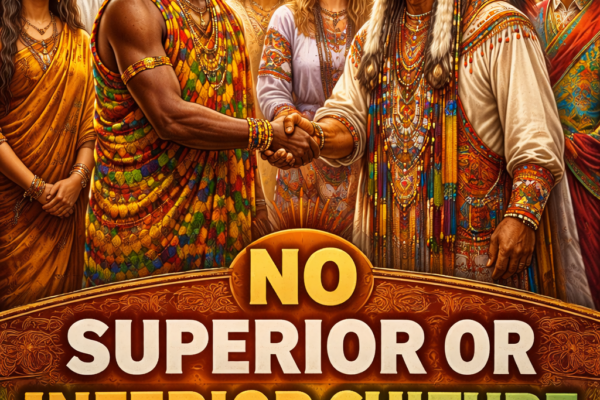
There Is No Superior Culture — And No Inferior One

Let’s be clear from the outset: no culture is superior to another, and no culture is inferior. This should not be a controversial statement in the 21st century—yet, in practice, it still is. Culture remains one of the most misunderstood concepts in public discourse. When people misunderstand culture, they don’t just get definitions wrong—they get…

Read More

Ghana’s Quiet Strength: Understanding the Foundations of a Peaceful Nation

A Nation Defined by Peace In a region and continent that have, at various historical moments, been scarred by conflict and instability, Ghana stands out as a compelling example of relative peace. Since gaining independence in 1957, the country has largely avoided the large-scale civil wars that have afflicted some of its neighbors. While no…

Read More

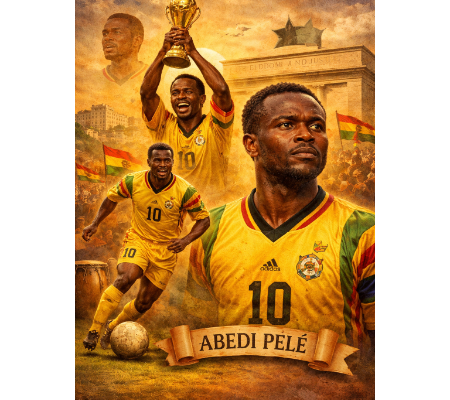
Abedi Pele: The name, myth and legend in Ghanaian football

Introduction: A Name That Became a Symbol In the sociological imagination of the Gold Coast—what is today Ghana—names are never merely labels; they are identities, narratives, and sometimes prophecies. The name Abedi Pele transcends the ordinary. It is a fusion of biography, mythmaking, and cultural symbolism that reflects both indigenous values and global influences. To…

Read More