




The Akan of Ghana
The Akan are an ethnic group that live in Ghana. They occupy a broad stretch of territory extending from the coastal areas to the central forest belt of the country. Historically and culturally, the Akan constitute one of the largest ethnolinguistic groups in Ghana and share closely related languages, traditions, and social institutions.
The Akan are not a single homogeneous group but are made up of several subgroups, each with its own traditional state and historical identity. Prominent among these are the Ashanti (Asante), who are associated with the powerful Asante Empire. Other Akan groups include the Kwahu, Bono, Ahafo, Akim (Akyem), Akuapem, Fante, Assin, Denkyira, and Akwamu.
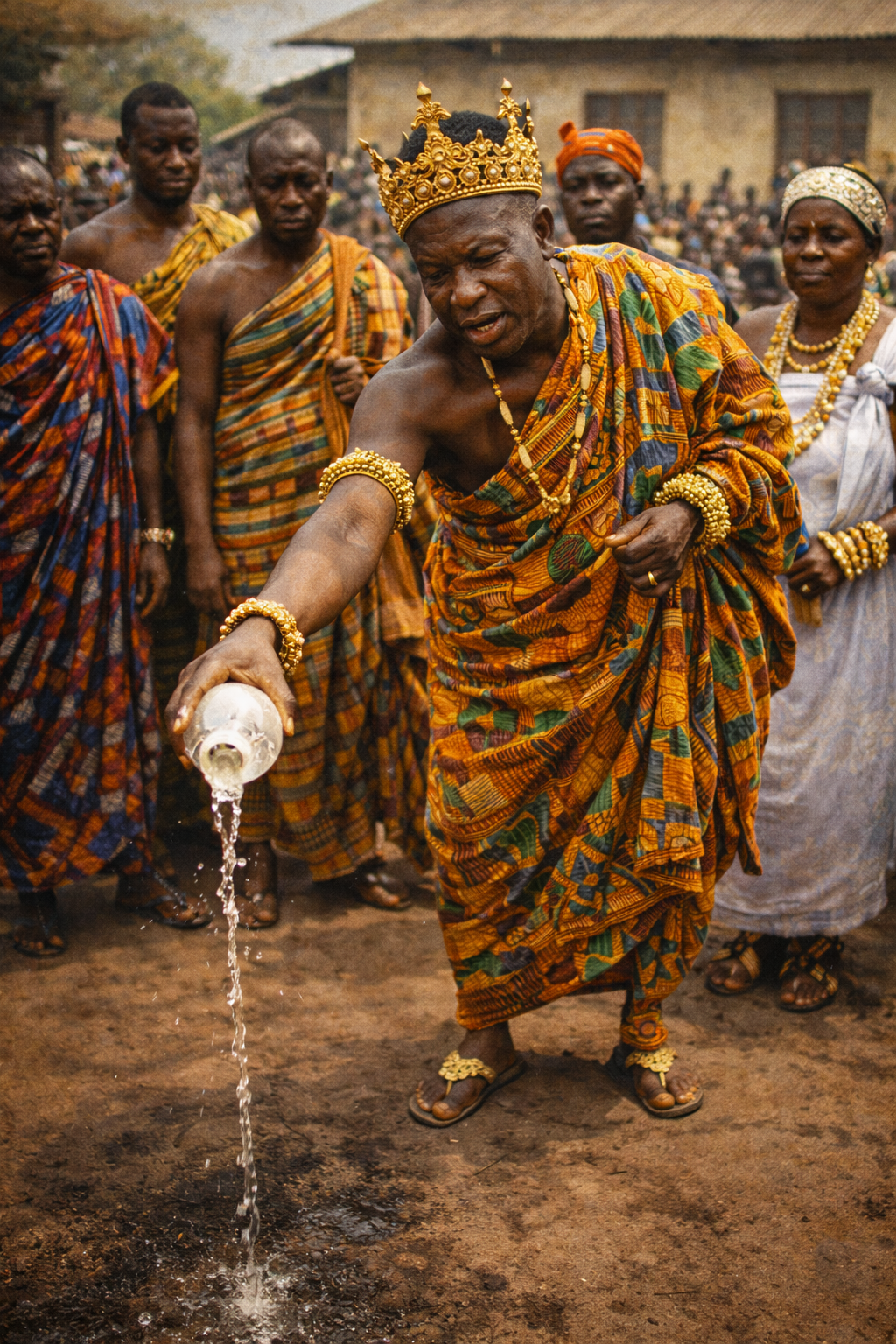
Despite their internal diversity, these groups share many cultural institutions, including the chieftaincy system, matrilineal descent, elaborate mortuary rites, and a rich tradition of proverbs, symbols, and festivals. The Akan language cluster—which includes dialects such as Twi and Fante—facilitates communication across these groups and contributes to a shared cultural identity.
Over the centuries, Akan states developed complex political systems and played a major role in the historical, economic, and cultural development of Ghana. Their institutions of chieftaincy, traditional religion, and festivals continue to shape the cultural life of the nation today.
Symbol of Royal Status
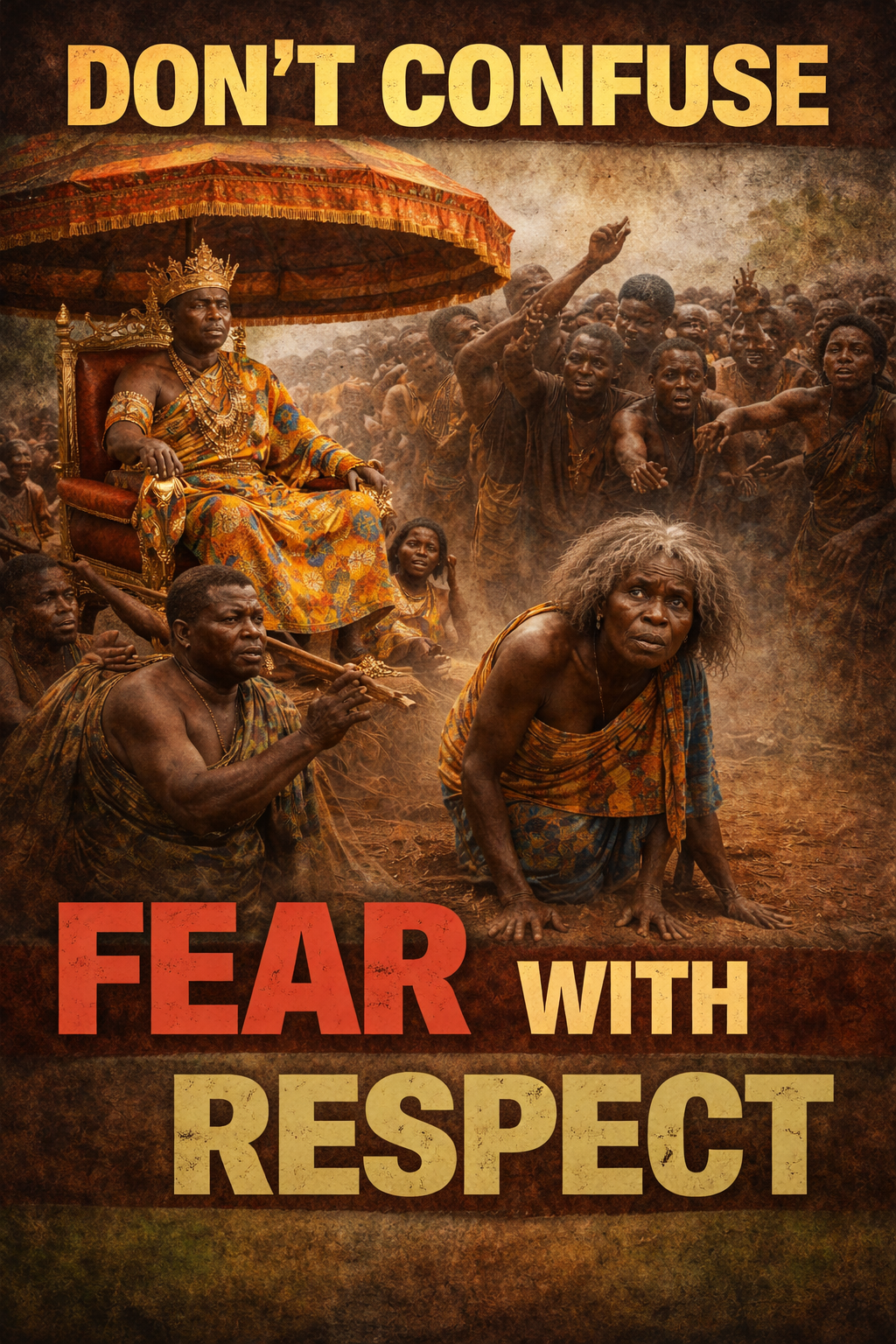
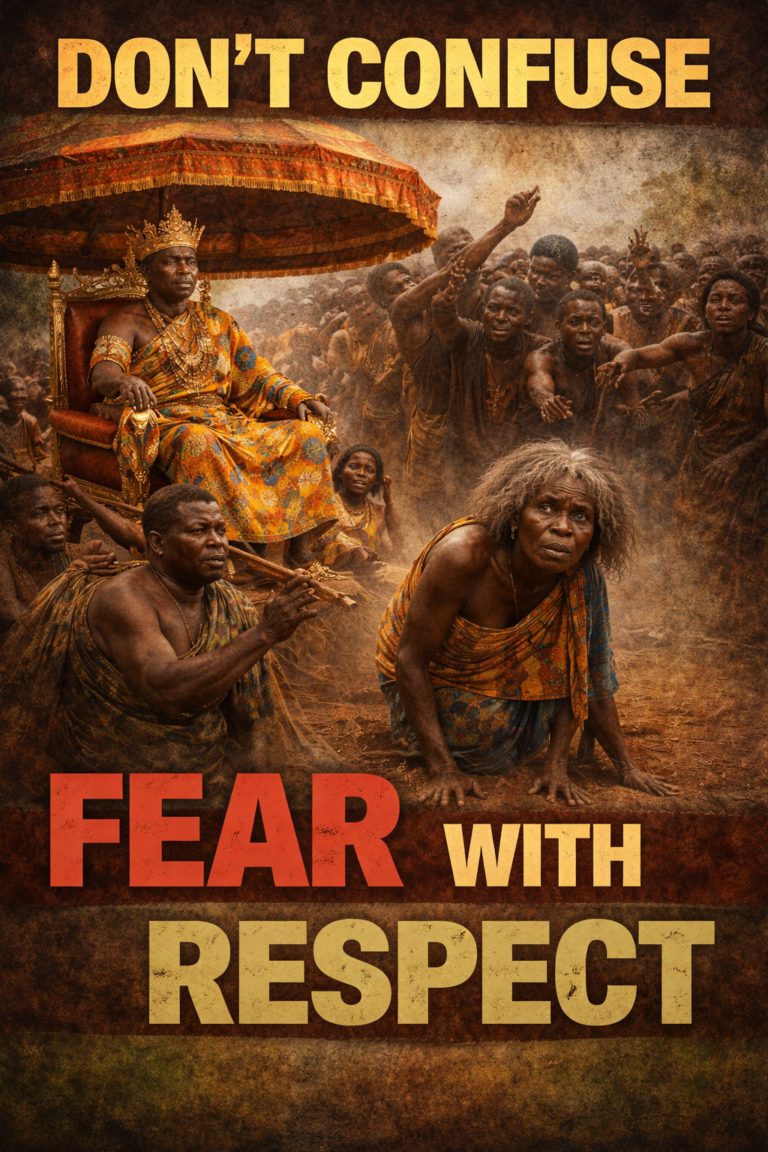
The most immediate reason chiefs are carried in palanquins is to signify their elevated social and political status. In Akan political culture, a chief is not regarded as an ordinary individual but as the living embodiment of the authority of the ancestors and the custodian of the stool. Because of this sacred office, the chief is treated with exceptional honor.
Why Akans Carry Their Chiefs in Palanquins
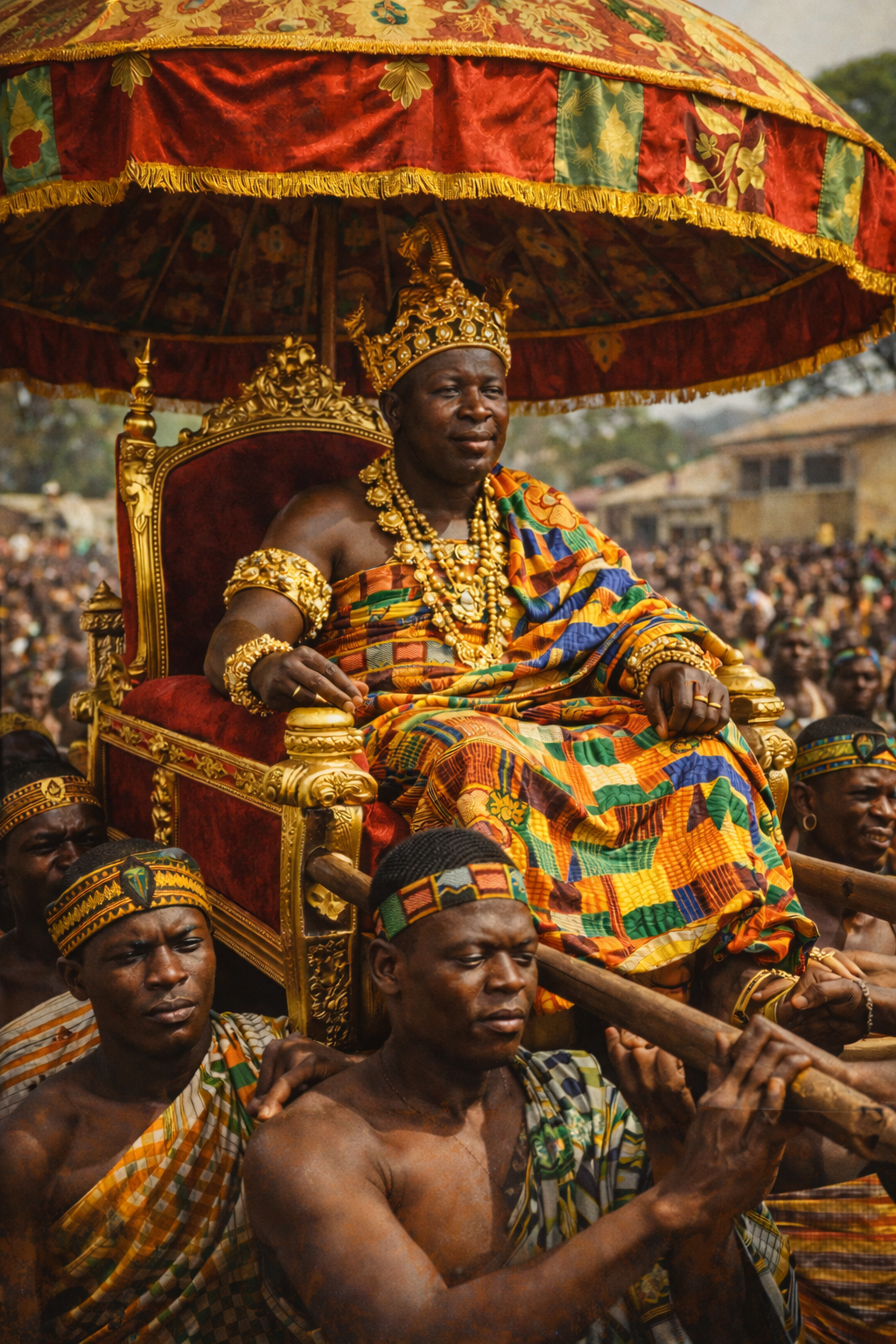
Among the Akan people of Ghana, chiefs are traditionally carried in palanquins during important public occasions such as festivals, durbars, and state ceremonies. The palanquin—known in Akan as “Apakan” or “Apakan mu akonwa”—is a richly decorated seat mounted on poles and carried on the shoulders of strong attendants. This practice is not merely ceremonial pageantry; it reflects deep cultural ideas about kingship, dignity, spiritual authority, and the relationship between the chief and the land.
Being carried in a palanquin publicly demonstrates that the chief occupies a position above the ordinary citizenry. It visually communicates that the chief is a revered leader whose authority derives from tradition and ancestral sanction.
Separation from the Ground
Another important reason relates to the symbolic relationship between chiefs and the earth. In many Akan traditions, it is considered inappropriate for a chief to walk long distances on the bare ground during major public ceremonies. The earth is associated with the deity Asase Yaa, the Earth goddess who holds great spiritual significance in Akan cosmology.
By being carried, the chief is ritually separated from the ground. This act preserves the sacred dignity of the office and prevents unnecessary contact with the earth during formal state appearances.
Visibility and Public Recognition
Carrying the chief in a palanquin also ensures that the people can clearly see their leader during large gatherings. Festivals such as the Akwasidae, Odwira Festival, and the Hogbetsotso Festival often attract large crowds.
When the chief is elevated above the crowd in a palanquin, it becomes easier for subjects to recognize and greet their ruler. This enhances the symbolic interaction between the chief and the community.
Display of Wealth and Artistic Heritage
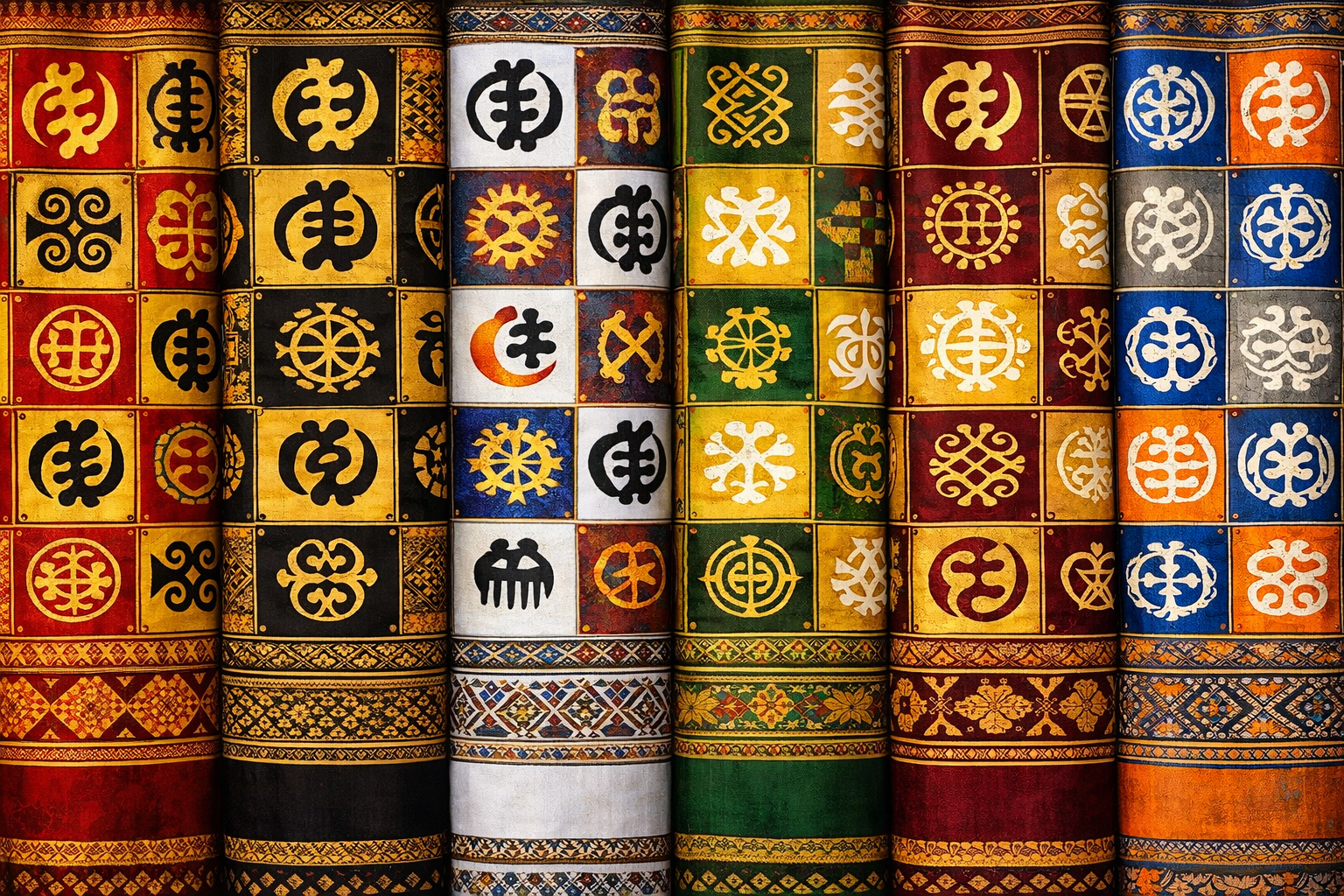
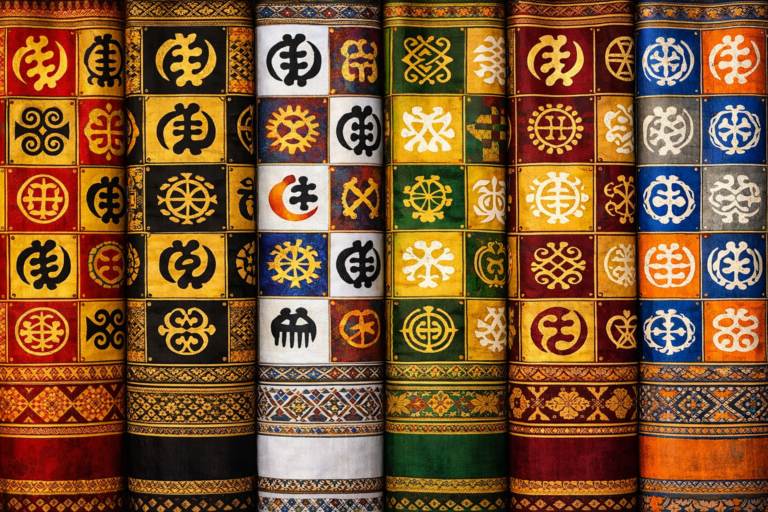
Akan palanquins are often elaborately carved and decorated with gold leaf, fabrics, and symbolic designs. Many incorporate motifs connected to Adinkra symbols, animals, or proverbs that express the identity and philosophy of the stool.
Thus, the palanquin becomes a mobile work of art that showcases the wealth, history, and cultural heritage of the chiefdom.
Connection to Warfare and Mobility
Historically, Akan chiefs were sometimes carried in palanquins during warfare or long journeys. This allowed them to remain physically protected and energetically prepared to command troops. The practice ensured that the chief could move quickly with his attendants while maintaining the dignity of his office.
Communal Participation
The act of carrying the palanquin also highlights the collective support of the community. Strong young men chosen from the chief’s court or lineage carry the palanquin, demonstrating loyalty and service to the stool. Their role symbolizes that leadership is sustained by the cooperation and respect of the people.
Conclusion
The palanquin tradition among the Akan is therefore not a mere spectacle. It represents a complex cultural institution that embodies royal authority, spiritual symbolism, artistic expression, and communal solidarity. By carrying their chiefs in palanquins, the Akan visually affirm the sacred dignity of the chieftaincy institution and the enduring connection between the chief, the ancestors, and the people.