





Among the Akan people of southern Ghana, funerals are more than ceremonies—they are profound cultural, spiritual, and social events that reflect the community’s understanding of life, death, and the afterlife. Central to Akan beliefs is the conviction that life continues after death. While the body decomposes, the spirit embarks on a journey to Asamando, the land of the spirits, where it joins the ancestors of the same matrilineage. Funerals, therefore, serve as a ritualized farewell, ensuring the deceased’s honorable passage to the afterlife.
Akans are well known around the world for their well-attended and lavish funerals, events that often draw hundreds of people from near and far to pay their respects.
Symbolism and Mourning
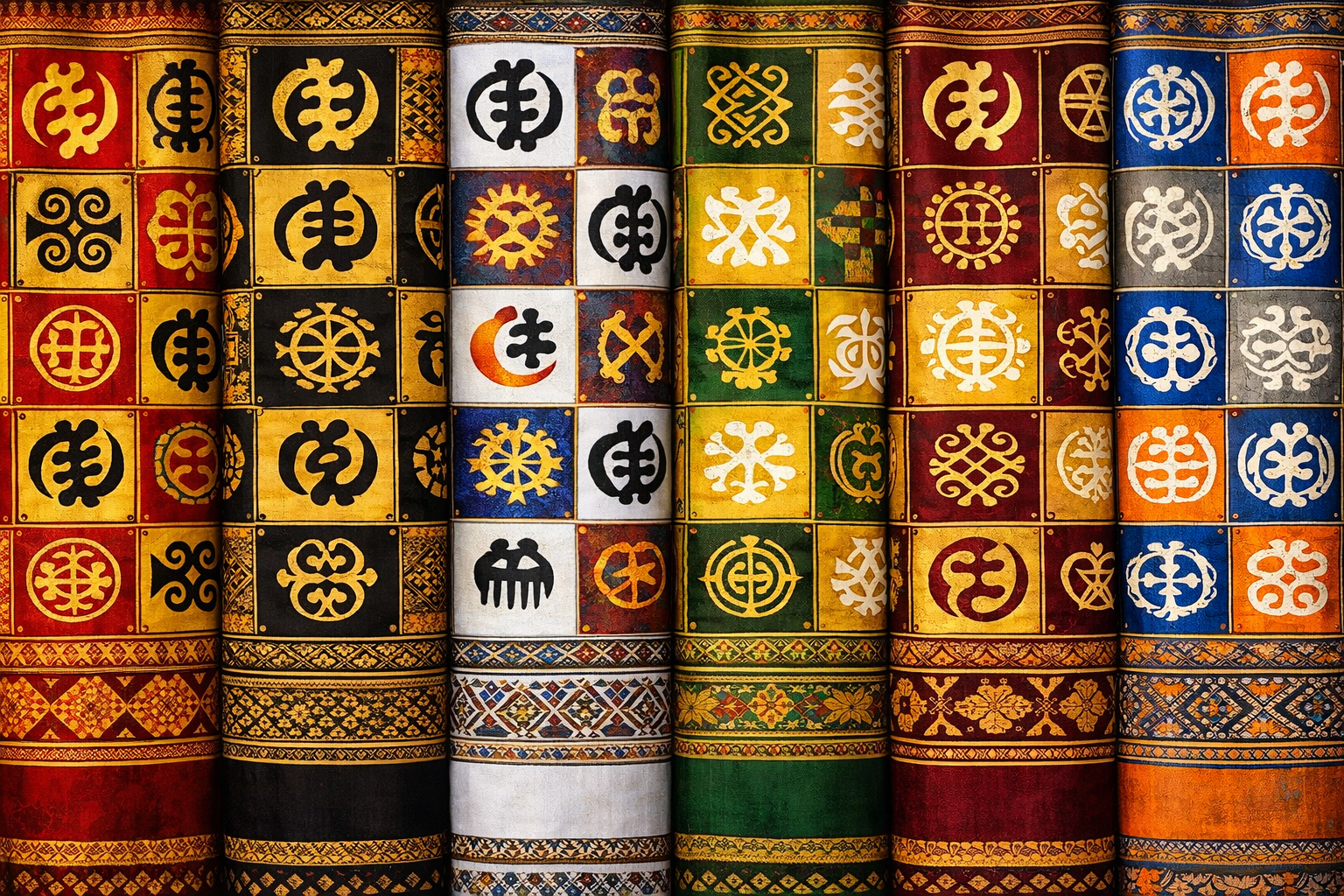
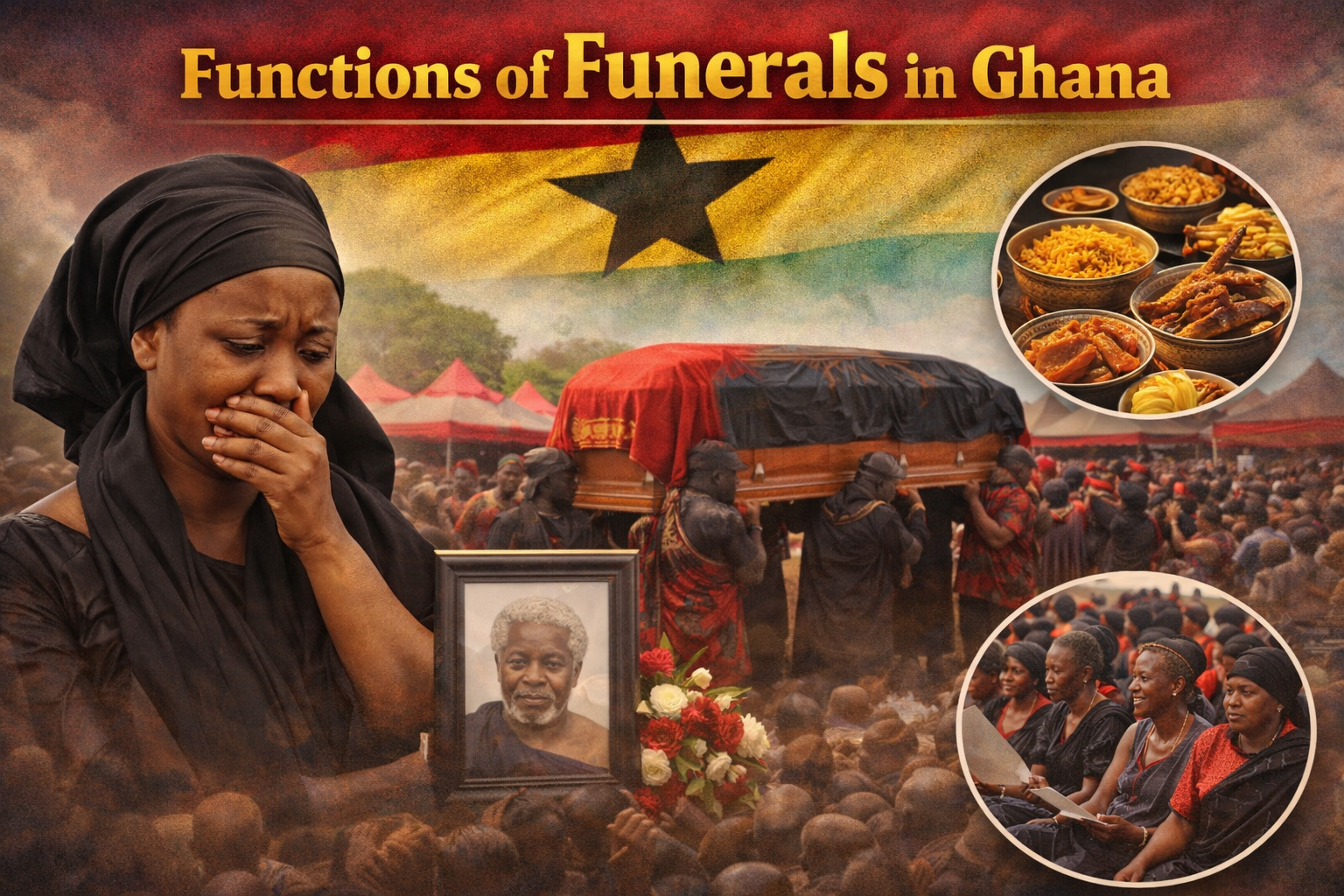
Akan mourning colors—red and black—symbolize grief and respect. Participation in funerals is guided by the principle of “nko gyea-nkogya”, meaning: when it was my turn, you came; when it is your turn, I will come. This reciprocal attendance strengthens community bonds and mutual support.
Economic and Social Functions
Funerals play an important financial role. Donations, known as nsawabode, are collected to help pay off the debts left by the deceased, and any surplus goes to settle other obligations.
The funeral also reinforces family and social cohesion. Lineage members come together, disputes are set aside, and estranged relatives have a chance to reconcile. For widows and surviving children, the funeral demonstrates that the extended family is present to offer emotional and material support, providing hope and reassurance during grief.
Cultural Expression
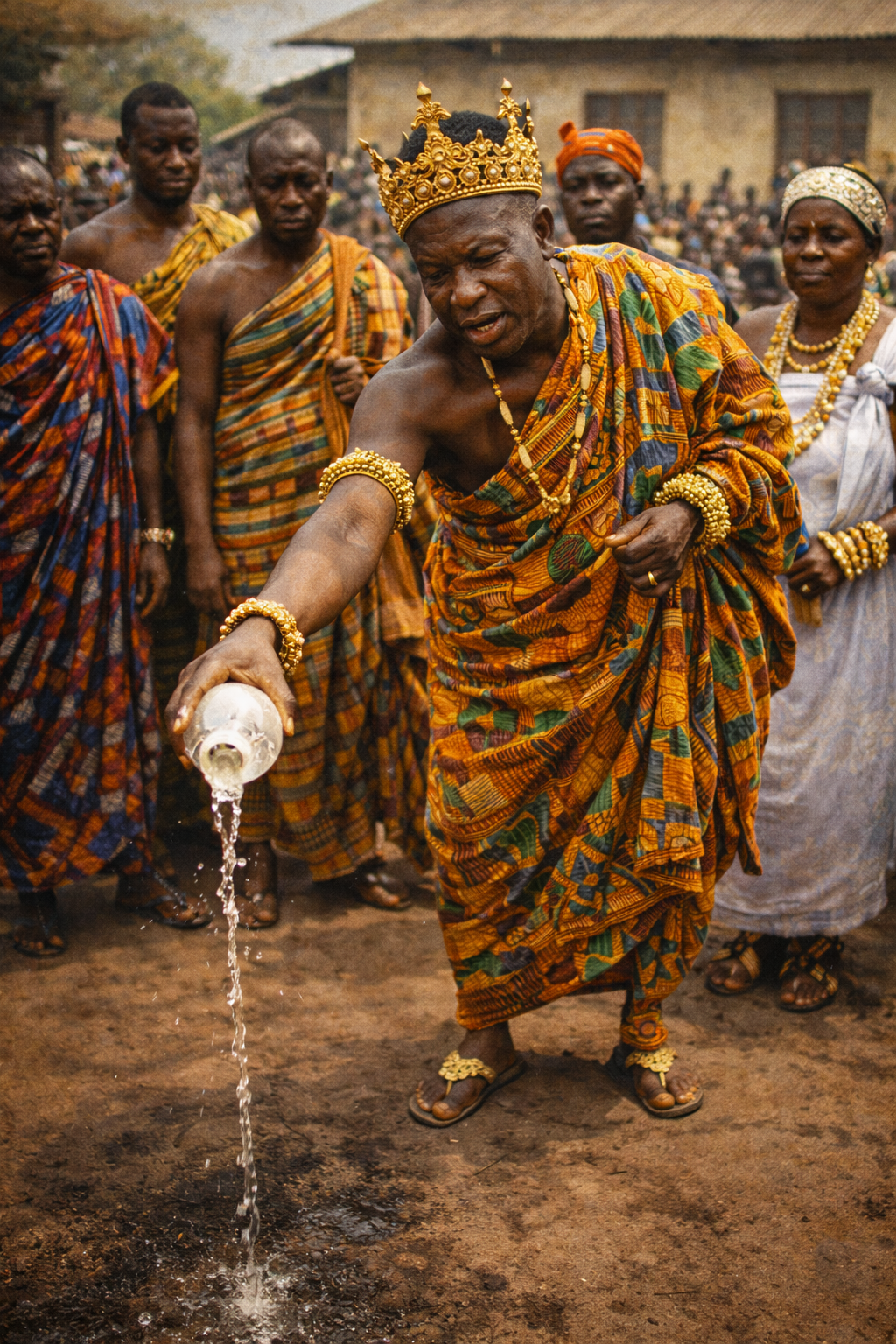
Akan funerals are celebrations of culture. Traditional practices—drumming, dancing, singing—allow mourners to express grief while honoring the life of the deceased. These cultural expressions affirm identity and continuity across generations.
Economic Impact
Funerals also sustain a vibrant funeral industry, providing livelihoods for coffin makers, moirologists, singers, undertakers, DJs, photographers, videographers, and more. Given that funerals are major rites of passage, families invest considerable time and money to ensure the ceremonies reflect dignity and tradition.
Funerals in Akan society are therefore multifaceted events: spiritual send-offs, social gatherings, economic support mechanisms, and cultural showcases. They reflect a deep understanding that death is not the end, but a passage to another realm, and that the living have a role in ensuring that passage is dignified and communal.