



In every society, people occupy different positions called statuses. A status is simply the position a person holds in society. Throughout life, one person can have many statuses at the same time—for example, being a child, a parent, a worker, a student, or a citizen.
Sociologists talk about two main types of status: ascribed status and achieved status.
Ascribed status is a position you are born with or given early in life. You have no control over it. Examples include your sex or gender, ethnicity, family background, royal lineage, height, weight, skin colour, and physical appearance. This is different from achieved status, which comes from your own efforts, such as education, hard work, or the job you do.
Even though people do not choose their ascribed status, it often affects their life chances. Life chances refer to a person’s opportunities in areas such as education, employment, promotion, and general success in life.
In Ghana, gender still affects job opportunities. In some workplaces, women are not considered for senior positions because employers assume they will focus on marriage or having children. At the same time, men are sometimes discouraged from working in areas like early childhood education or nursing because these jobs are seen as “women’s work.”
Ethnicity also matters. In both public and private institutions, ethnic connections can influence who gets hired or promoted. A job seeker who shares the same ethnic background as a decision-maker—whether Akan, Ewe, Dagomba, Ga, or Krobo—may have an advantage, while others may feel left out.
Physical appearance can also affect progress in life. In industries such as hospitality, security, aviation, and the media, height and body size are often considered during recruitment. Taller people may be preferred for security jobs, while weight and skin colour can influence who is chosen for customer-facing roles, even when these traits have nothing to do with job performance.
Skin colour, though a sensitive issue, still plays a role. Lighter skin is sometimes linked to beauty, professionalism, or higher status, especially in advertising and the media. Darker skin, on the other hand, may attract unfair negative judgments. This reflects the continuing problem of colourism.
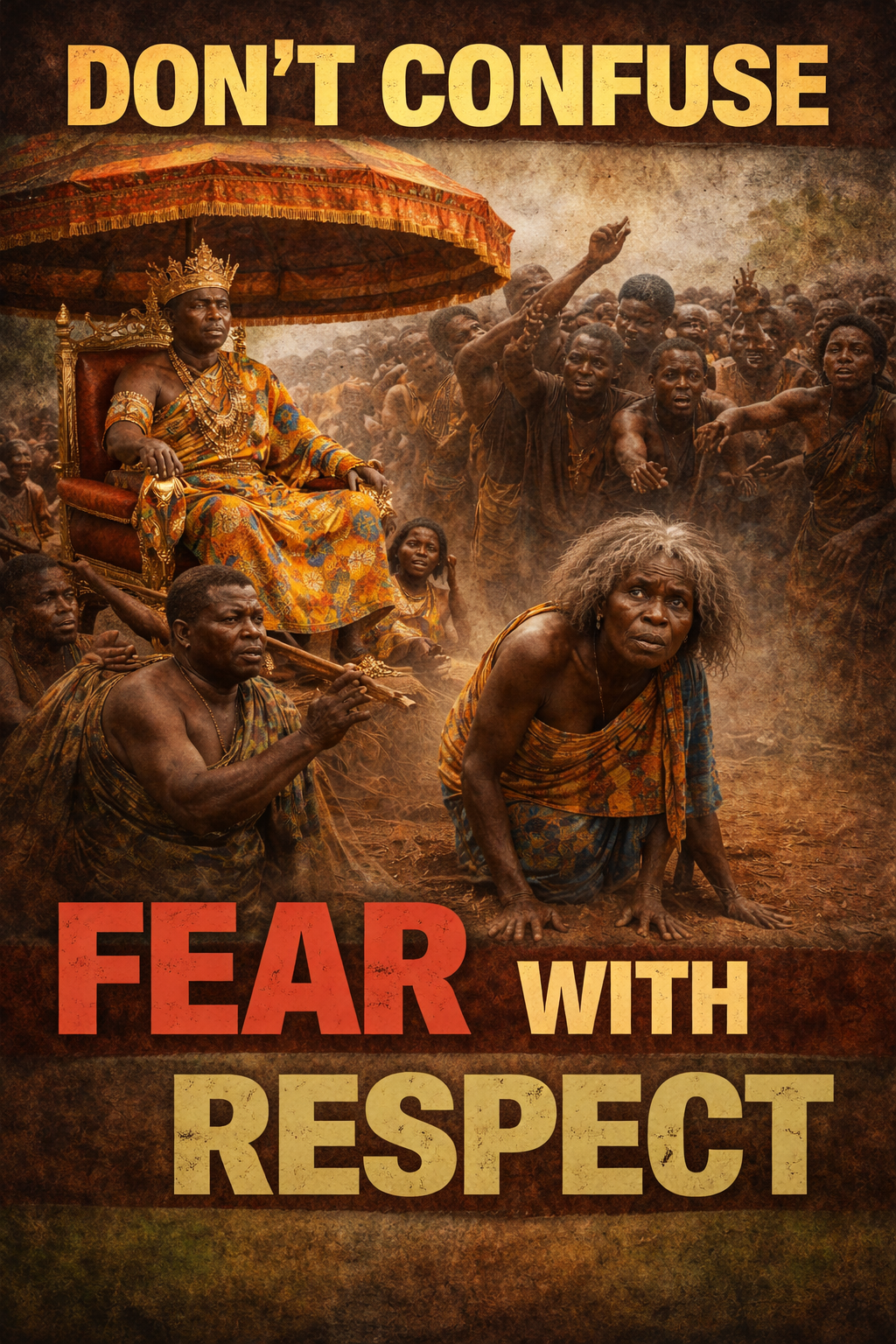
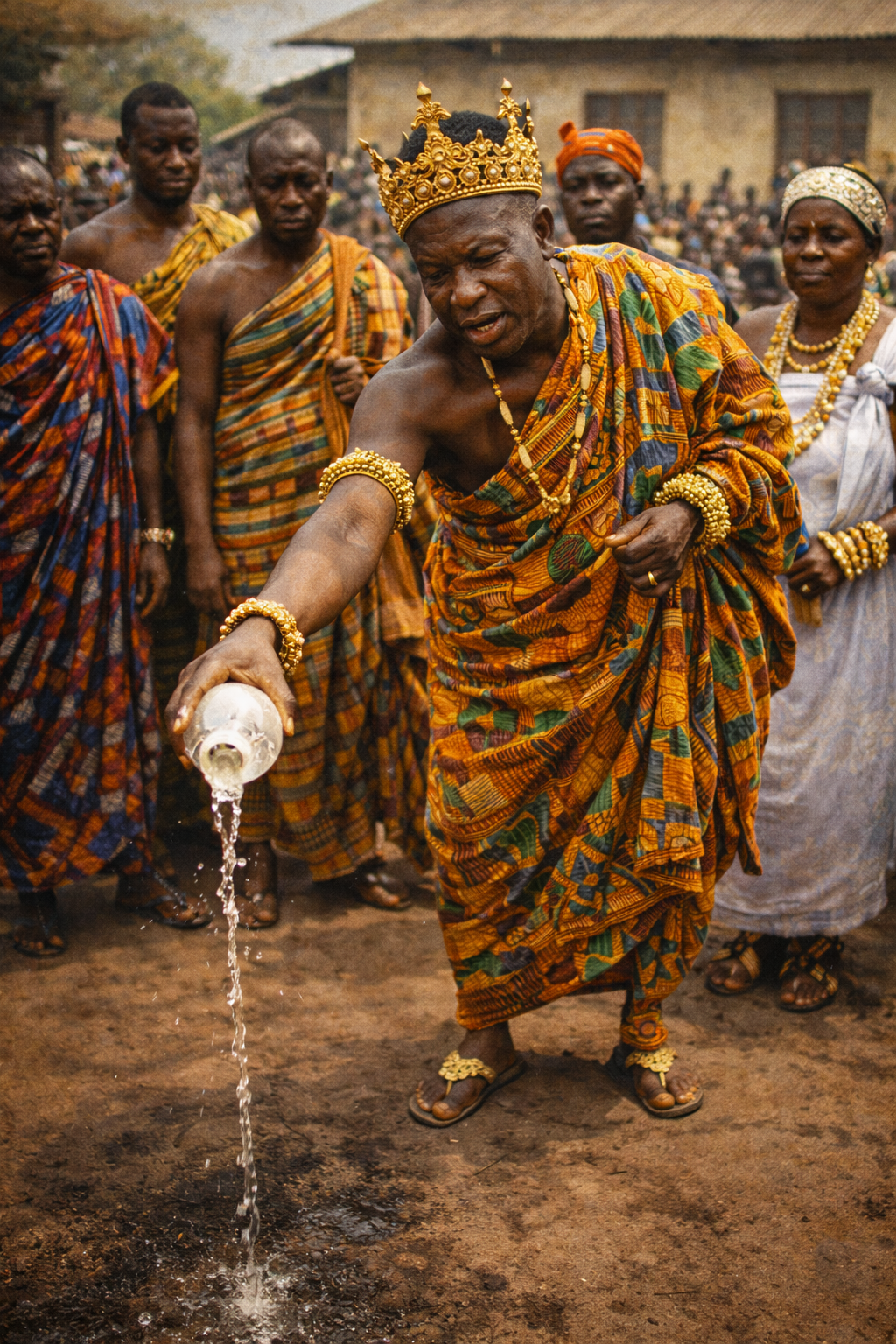
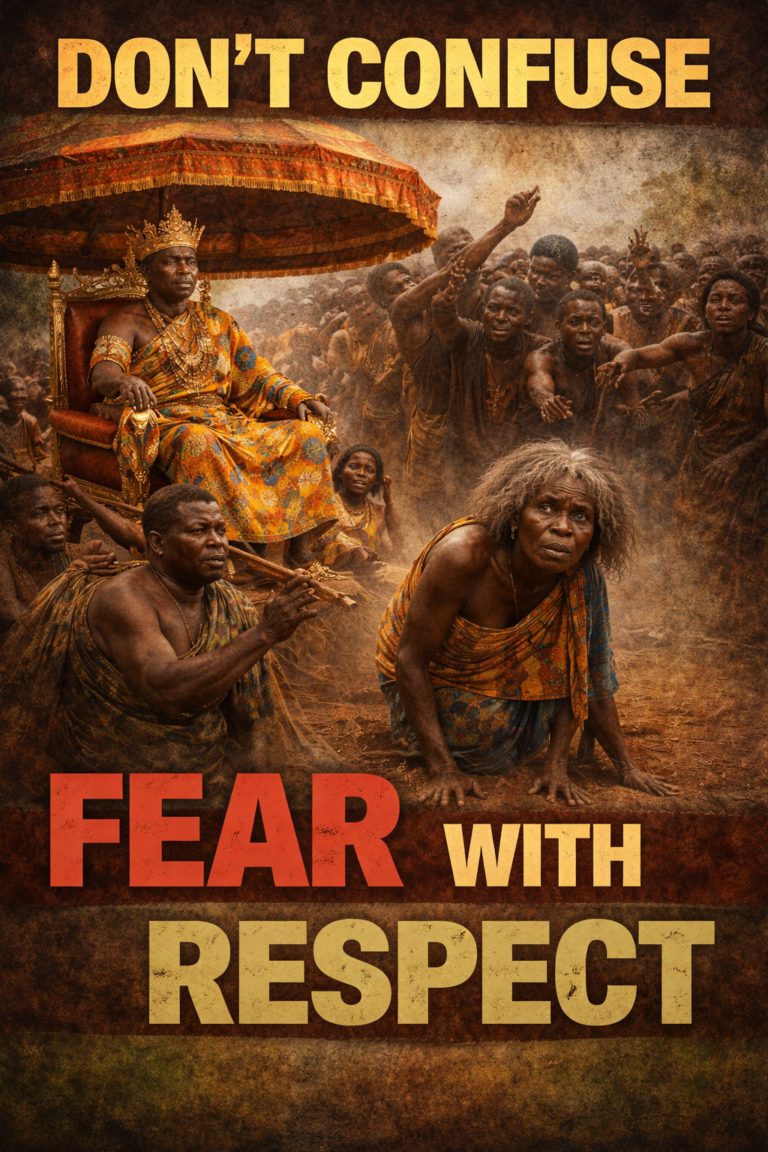
Family background and royal status can also shape a person’s life. In some traditional communities, people born into royal families enjoy respect, influence, and easier access to leadership positions. These advantages are often given regardless of individual effort or ability.
All these examples show an important truth: hard work alone does not always determine success. While education and effort are important, ascribed status often gives some people a head start while placing others at a disadvantage.
Understanding how ascribed status works in Ghana is important for reducing inequality. It helps policymakers create fairer systems, encourages institutions to reduce bias, and allows individuals to see that life outcomes are shaped not only by personal effort but also by the circumstances of birth.
Only by accepting these realities can Ghana move toward a society where opportunities are based on merit rather than on accidents of birth.