





Violence against persons accused of witchcraft remains a troubling reality in parts of Ghana. Although our nation prides itself on hospitality, communal solidarity, and deep respect for human dignity, allegations of witchcraft too often trigger acts of cruelty that contradict these cherished values. It is time to speak plainly: killing or lynching a person accused of witchcraft is not justice. It is murder. It is a crime under Ghanaian law, and it carries severe consequences.
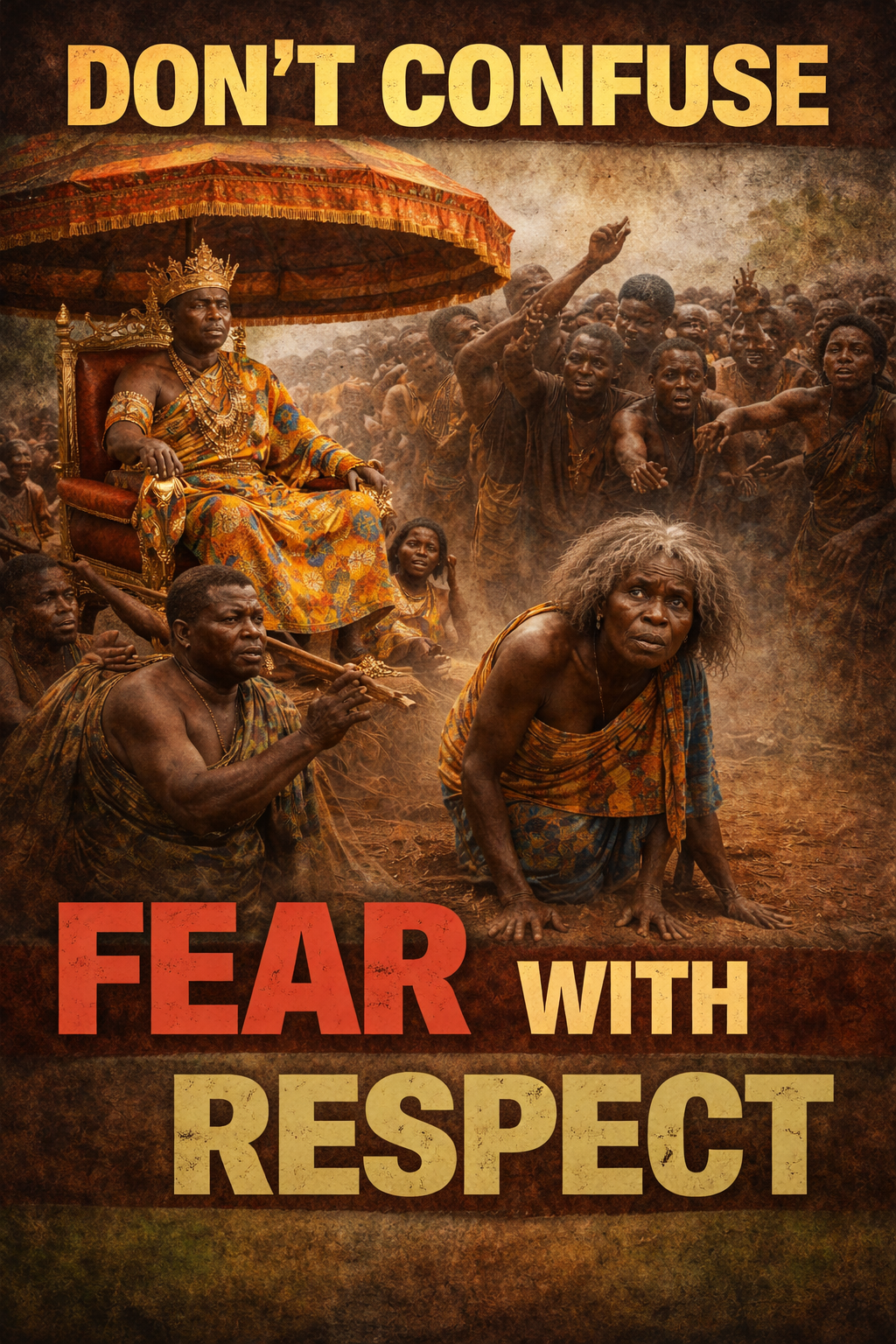
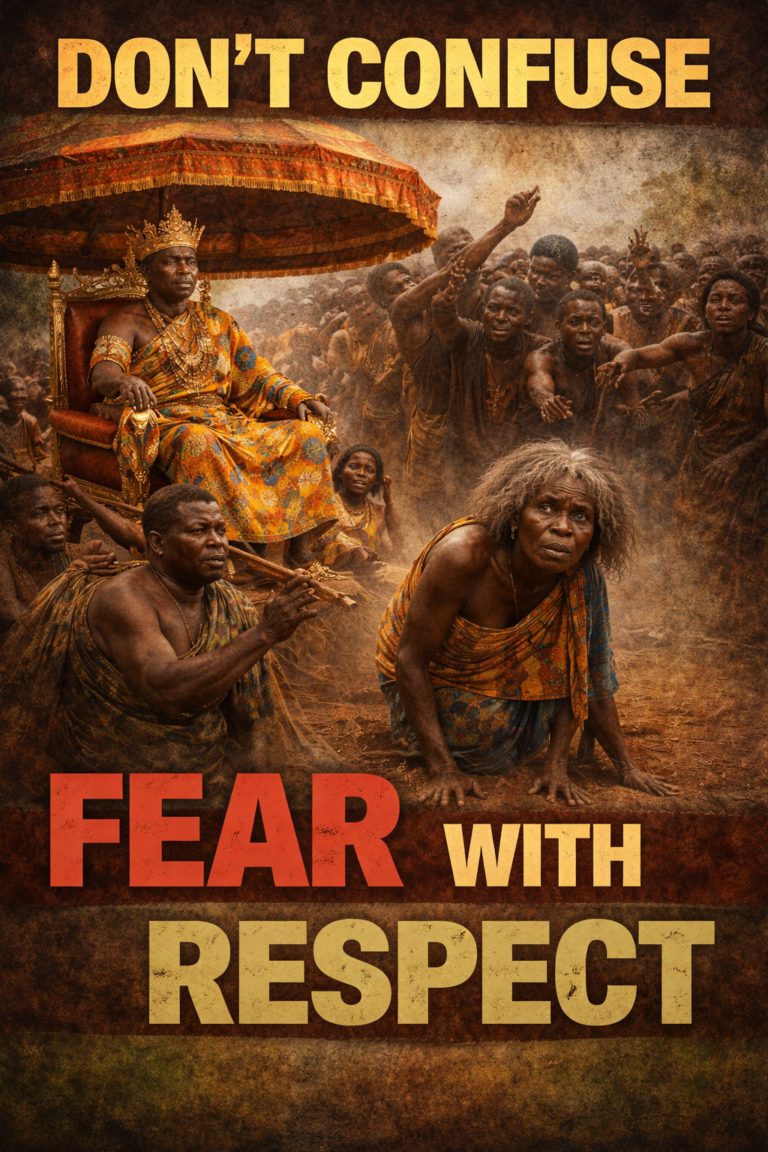
In many cases, those accused of witchcraft are not powerful or dangerous figures. They are women—often elderly, frail, widowed, poor, and with little or no formal education. Many are socially isolated. Some have no adult children or husbands to defend them when accusations arise. Their vulnerability makes them easy targets. When misfortune strikes a family or community—a sudden illness, a failed harvest, an unexplained death—fear and suspicion sometimes settle on these defenseless women.
The abuse frequently begins with words. Accused women are taunted, teased, and mocked in public. In some villages and small communities, women and girls alleged to be witches have been paraded through the streets amid hooting and insults. Children, particularly boys, have been encouraged or emboldened to throw stones at them. What begins as rumor soon escalates into humiliation, emotional torment, and physical violence. The psychological scars of such treatment are profound, even when it does not end in death.
In the northern regions of Ghana, fear of attack has driven many accused women to flee their homes. They seek refuge in so-called “witches’ camps” or outcast settlements, where they live in exile, separated from their families and stripped of their property and livelihoods. In the southern parts of the country, some alleged witches are taken to prayer camps for “deliverance.” Regardless of location, the pattern is the same: accusation leads to stigma, displacement, and suffering.
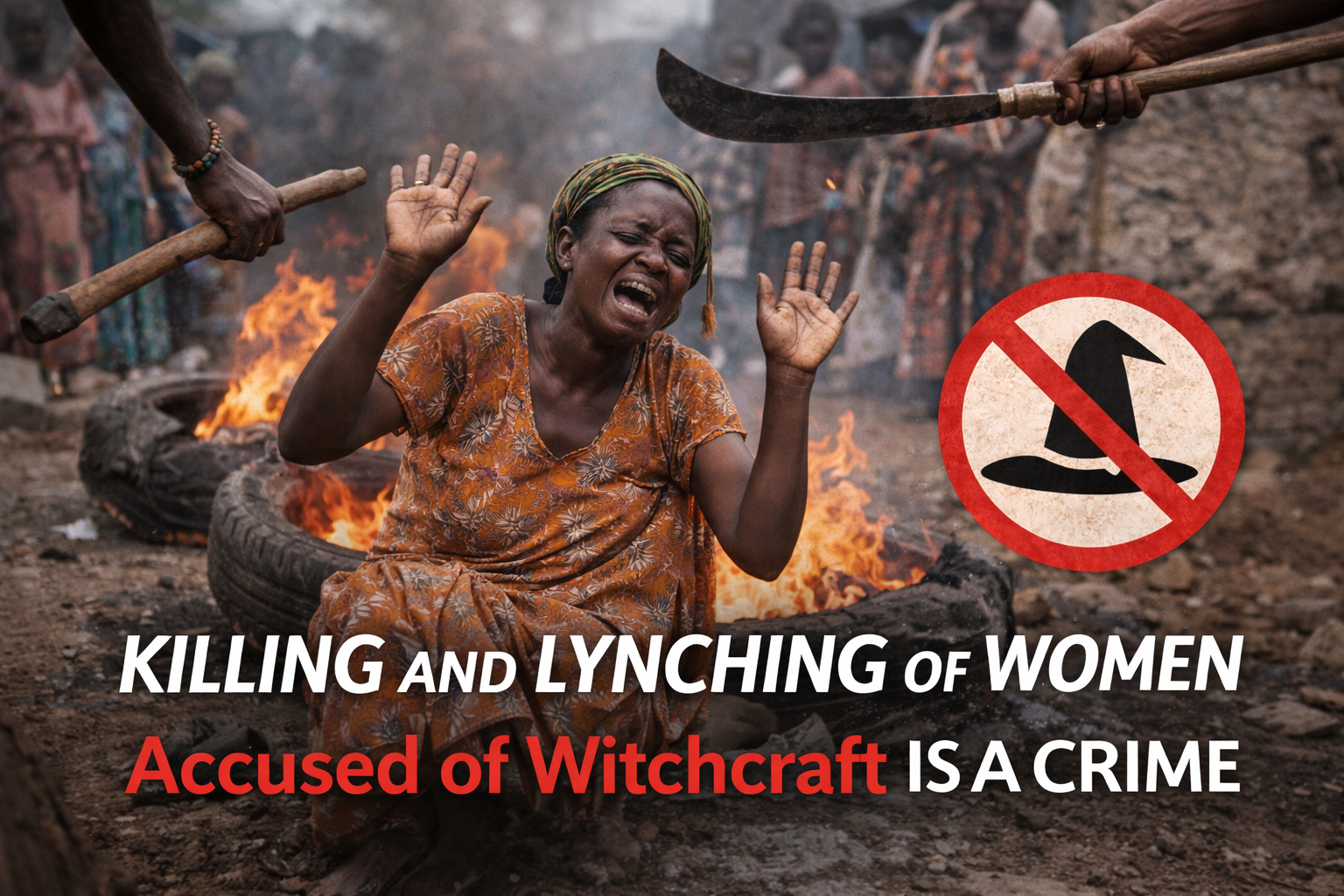
Tragically, there have been several reported instances where accusations have ended in lynching or outright killing. Such acts are sometimes carried out in the heat of anger, fueled by rumor and collective hysteria. But no amount of suspicion, fear, or belief justifies taking another person’s life. Ghana’s criminal law is clear. The unlawful killing of another human being is murder. Those found guilty may face life imprisonment. A moment of mob action can result in decades—perhaps a lifetime—behind bars.
We must therefore pause before we accuse. Before pointing a finger, before spreading a rumor, before joining a mob, we must consider the consequences—not only for the accused but also for ourselves. An allegation, once made, can destroy a life. A violent act, once committed, cannot be undone. The law does not recognize witchcraft as a defense for murder. Courts do not accept “we thought she was a witch” as justification for killing.
Beyond the law, there is a moral question. What kind of society do we wish to be? A society that protects its most vulnerable members, or one that sacrifices elderly women to fear and superstition? Ghana’s Constitution guarantees the right to life and human dignity. These rights belong to every citizen—young or old, rich or poor, educated or uneducated.
Community leaders, religious authorities, traditional rulers, and families all have a role to play. They must speak out firmly against violence carried out in the name of witchcraft. They must educate their communities that accusation is not evidence, and suspicion is not proof. Above all, they must insist that disputes and fears be addressed through lawful and peaceful means.
Killing or lynching a woman accused of witchcraft is not an act of cleansing. It is not justice. It is a crime. And those who commit it risk losing their own freedom for the rest of their lives. Ghana can and must do better.