





NEWS

Are Criminals Born or Made?

Are people born criminals, or do they learn to become criminal? Is there a “crime gene”? Can criminal behavior be inherited, or do people have control over their actions? These questions have intrigued scholars, parents, and the public for decades. Some people assume that crime is inherited. They look at families where multiple members have…


Read More

Dear Africans: Don’t Confuse “Fear” with “Respect”

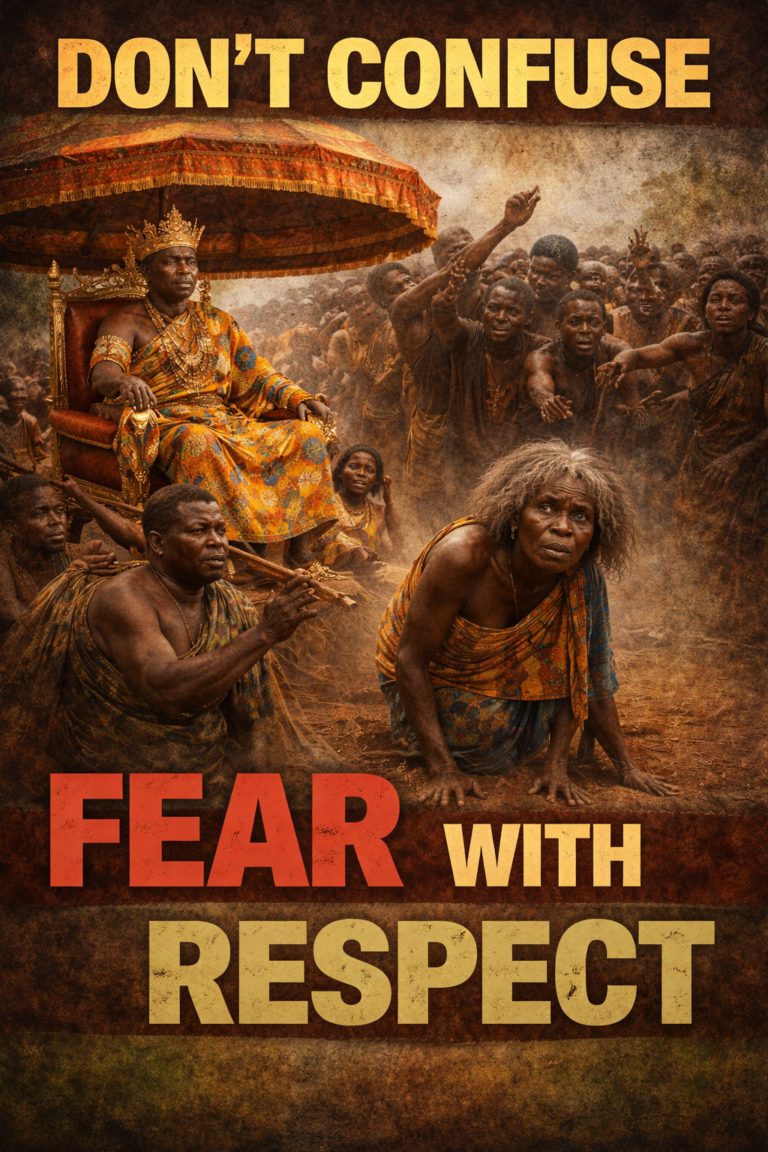
Oftentimes, in Africa, people conflate respect with fear, treating them as if they are interchangeable. Yet within Akan moral language, a clear distinction is maintained between fɛreɛ (respect) and suro (fear). To say “me fɛre wo” is fundamentally different from “me suro wo.” The former connotes esteem, regard, and moral acknowledgment; the latter signals apprehension,…

Read More

Abedi Pele: The name, myth and legend in Ghanaian football

Introduction: A Name That Became a Symbol In the sociological imagination of the Gold Coast—what is today Ghana—names are never merely labels; they are identities, narratives, and sometimes prophecies. The name Abedi Pele transcends the ordinary. It is a fusion of biography, mythmaking, and cultural symbolism that reflects both indigenous values and global influences. To…

Read More
A great figure in Ghanaian football

Robert Mensah: a football story and tragedy

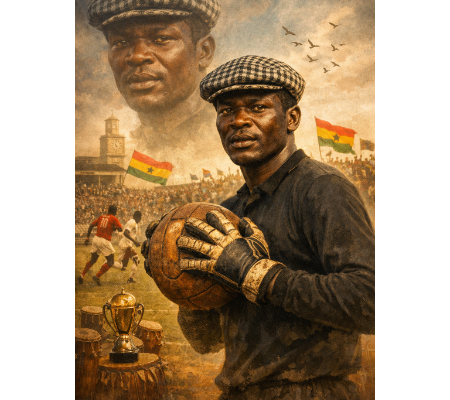
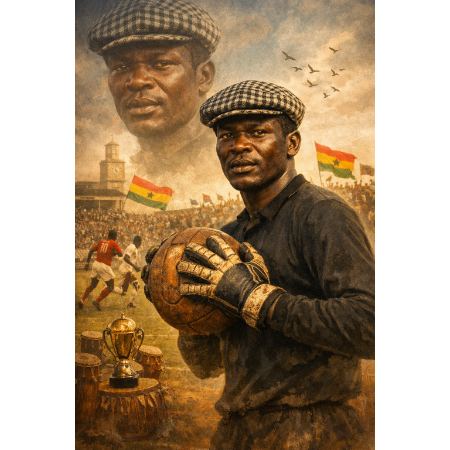
Robert Mensah: A Football Story and Tragedy in the Ghanaian Football In the annals of Ghanaian sporting history, few names evoke as much reverence, myth, and sorrow as Robert Mensah. His story is not merely about football; it is a narrative woven into the socio-cultural fabric of late colonial Gold Coast and early post-independence Ghana—a…

Read More
The Professor

The Making of “The Professor”: Strategy, Skill, and the Legacy of Azumah Nelson

Few names in African sport command as much reverence as Azumah Nelson. In the annals of global boxing history, Nelson stands not merely as a champion but as an embodiment of discipline, intellect, and tactical brilliance. His nickname—“The Professor”—suggests a fighter whose victories were not only won by strength but by strategy. To understand Nelson’s…

Read More

What is the Adinkra Cloth in Ghana? History and Social Significance

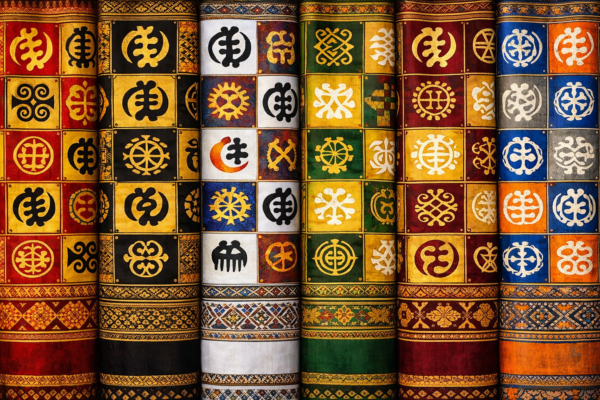
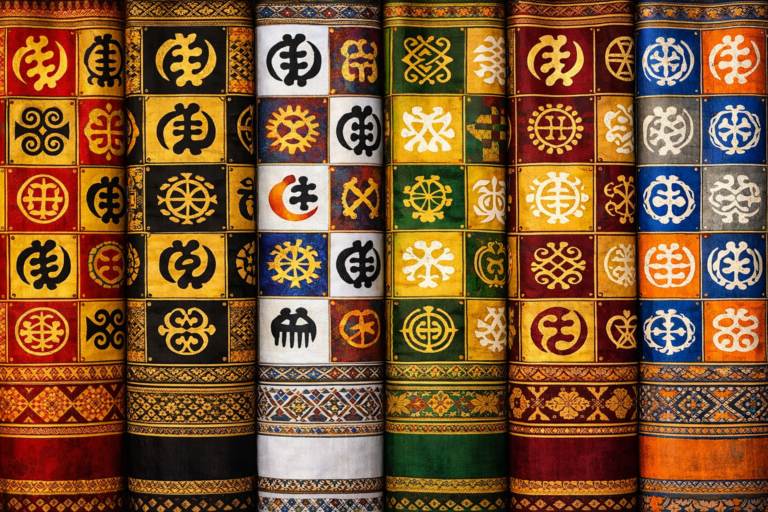
Introduction Adinkra cloth is one of the most important traditional textiles of Ghana and a significant cultural expression among the Akan people, particularly the Asante. Unlike Kente cloth, which is woven, Adinkra cloth is made by stamping symbolic designs onto fabric using special dyes. The cloth is famous for the numerous Adinkra symbols printed on…

Read More

From Jamestown to the World: The Ghanaian Roots of the First Black Football Pioneer

When people discuss the early history of football, the narrative often begins in Britain and gradually expands to the rest of the world. Rarely, however, does the conversation turn toward West Africa—particularly the historic Gold Coast, present-day Ghana. Yet one of the most remarkable pioneers of the sport, widely regarded as the first Black professional…

Read More

Early Signs of State Control Over Media

The early years of Ghana’s independence, particularly between 1957 and the mid-1960s, reveal the gradual emergence of state control over the media. While independence initially generated optimism about press freedom, archival newspaper records, government policies, and editorial patterns show that signs of state influence appeared almost immediately. These early developments shaped the long-term trajectory of…

Read More

The Ghana National Flag: Symbol of Unity, Freedom, and Heritage

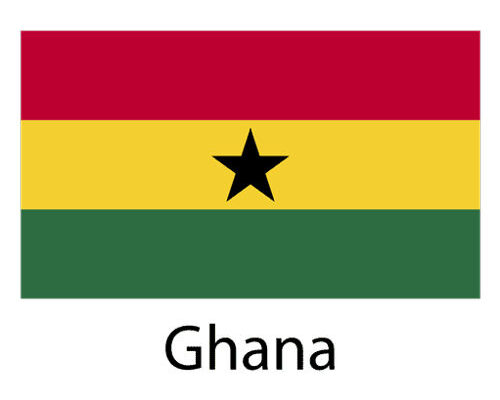
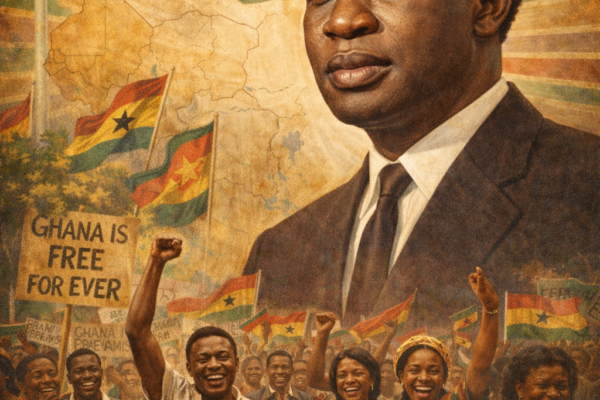
A Historic Emblem of Independence The Ghana national flag is more than a piece of cloth fluttering in the wind; it is a powerful symbol of the country’s history, aspirations, and identity. First officially adopted on March 6, 1957—the same day Ghana became the first African nation to gain independence from colonial rule—the flag reflects…

Read More

Pouring Libation in Akan Society

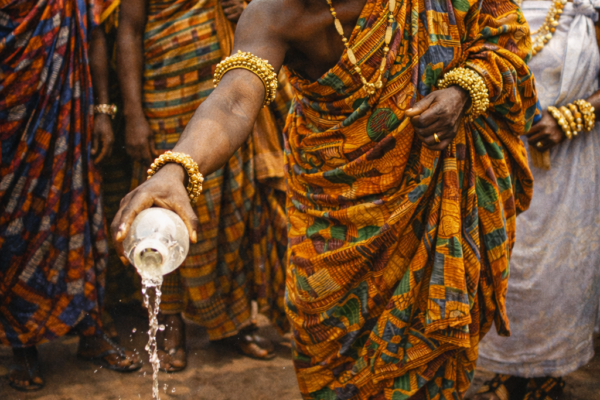
Among the Akan people of Ghana, pouring libation is one of the most important traditional religious practices. It is a solemn ritual through which people communicate with the spiritual world. The act symbolizes reverence for the ancestors, recognition of the Supreme Being, and a request for protection, blessings, and guidance in the affairs of life….

Read More

Why Akan Chiefs Are Carried in Palanquins

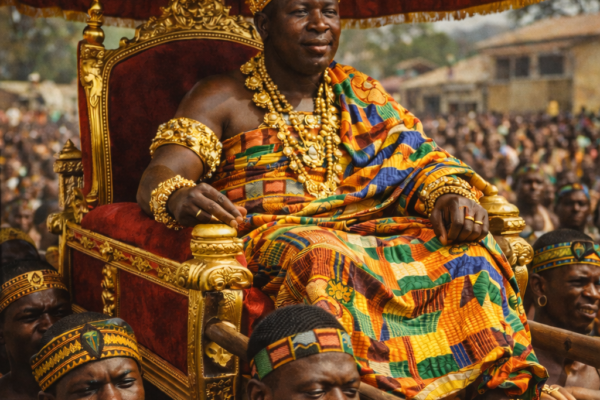
The Akan of GhanaThe Akan are an ethnic group that live in Ghana. They occupy a broad stretch of territory extending from the coastal areas to the central forest belt of the country. Historically and culturally, the Akan constitute one of the largest ethnolinguistic groups in Ghana and share closely related languages, traditions, and social…

Read More

Why Yaa Asantewaa, A Woman, Led the Ashantis to War Against the British Colonialists

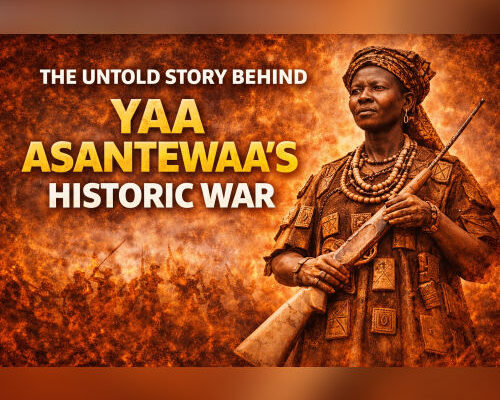
The leadership of Yaa Asantewaa in the 1900 war against British colonial rule remains one of the most extraordinary and symbolically powerful episodes in African resistance history. Her decision to lead the Ashanti (Asante) in armed rebellion was not an accident of circumstance—it emerged from a complex intersection of political tradition, colonial provocation, gender roles…

Read More

GHANA: God Has Anointed the Nation Already — A Nation Richly Blessed

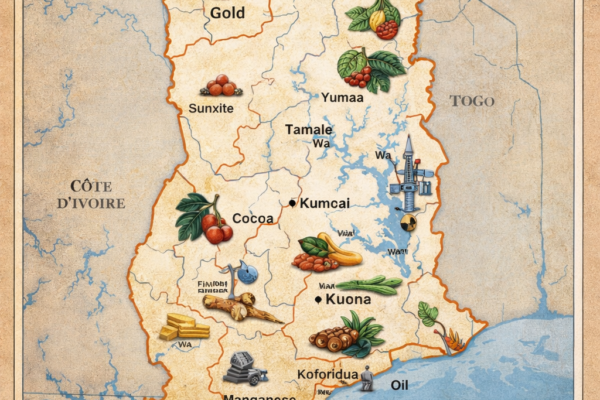
Ghana stands for “God Has Anointed the Nation Already.” Many Ghanaians see their country not merely as a geographical territory in West Africa, but as a land endowed with immense natural, human, and spiritual blessings. From abundant mineral wealth to fertile agricultural lands and a vibrant population of educated citizens, Ghana possesses many of the…

Read More