






NEWS

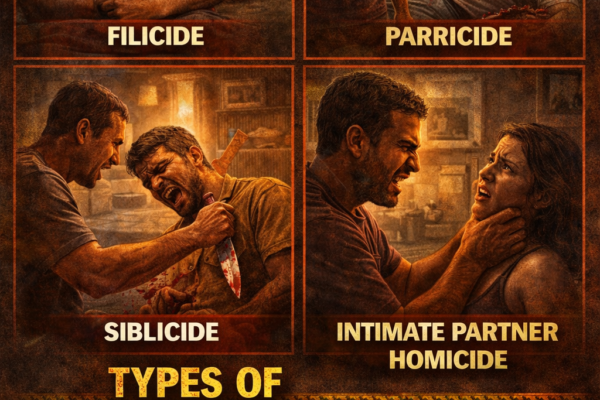
When Home Turns Deadly: Understanding Types of Family Homicide

Introduction: The Hidden Face of Family ViolenceHomicide refers to the killing of one person by another, and within this broad category lies a deeply troubling subset known as family homicide, which involves the killing of one family member by another. Although the family is often idealized as a haven of care, protection, and emotional support,…
Read More

There Is No Superior Culture — And No Inferior One

Let’s be clear from the outset: no culture is superior to another, and no culture is inferior. This should not be a controversial statement in the 21st century—yet, in practice, it still is. Culture remains one of the most misunderstood concepts in public discourse. When people misunderstand culture, they don’t just get definitions wrong—they get…

Read More

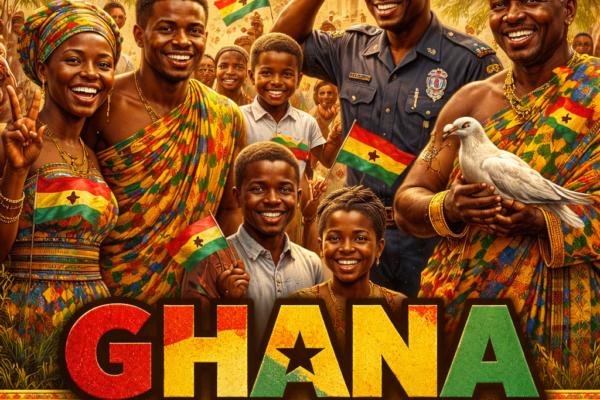
Ghana’s Quiet Strength: Understanding the Foundations of a Peaceful Nation

A Nation Defined by Peace In a region and continent that have, at various historical moments, been scarred by conflict and instability, Ghana stands out as a compelling example of relative peace. Since gaining independence in 1957, the country has largely avoided the large-scale civil wars that have afflicted some of its neighbors. While no…

Read More

Are Criminals Born or Made?

Are people born criminals, or do they learn to become criminal? Is there a “crime gene”? Can criminal behavior be inherited, or do people have control over their actions? These questions have intrigued scholars, parents, and the public for decades. Some people assume that crime is inherited. They look at families where multiple members have…

Read More

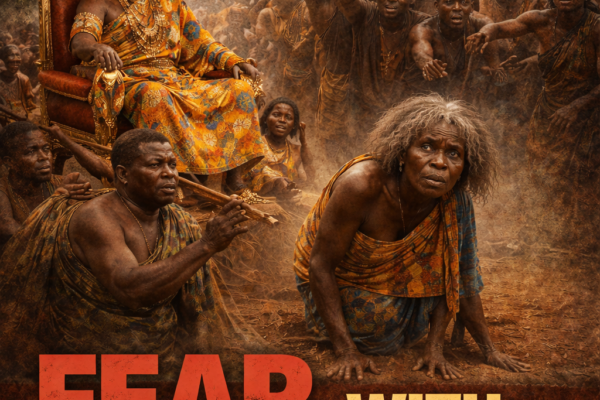
Dear Africans: Don’t Confuse “Fear” with “Respect”

Oftentimes, in Africa, people conflate respect with fear, treating them as if they are interchangeable. Yet within Akan moral language, a clear distinction is maintained between fɛreɛ (respect) and suro (fear). To say “me fɛre wo” is fundamentally different from “me suro wo.” The former connotes esteem, regard, and moral acknowledgment; the latter signals apprehension,…

Read More

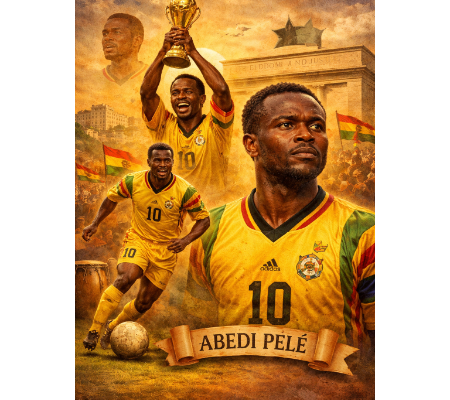
Abedi Pele: The name, myth and legend in Ghanaian football

Introduction: A Name That Became a Symbol In the sociological imagination of the Gold Coast—what is today Ghana—names are never merely labels; they are identities, narratives, and sometimes prophecies. The name Abedi Pele transcends the ordinary. It is a fusion of biography, mythmaking, and cultural symbolism that reflects both indigenous values and global influences. To…

Read More
A great figure in Ghanaian football

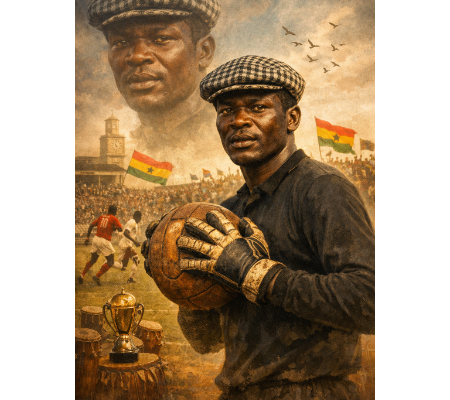
Robert Mensah: a football story and tragedy

Robert Mensah: A Football Story and Tragedy in the Ghanaian Football In the annals of Ghanaian sporting history, few names evoke as much reverence, myth, and sorrow as Robert Mensah. His story is not merely about football; it is a narrative woven into the socio-cultural fabric of late colonial Gold Coast and early post-independence Ghana—a…

Read More
The Professor

The Making of “The Professor”: Strategy, Skill, and the Legacy of Azumah Nelson

Few names in African sport command as much reverence as Azumah Nelson. In the annals of global boxing history, Nelson stands not merely as a champion but as an embodiment of discipline, intellect, and tactical brilliance. His nickname—“The Professor”—suggests a fighter whose victories were not only won by strength but by strategy. To understand Nelson’s…

Read More

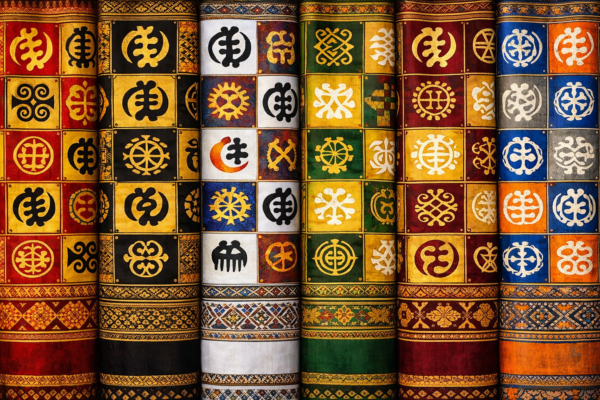
What is the Adinkra Cloth in Ghana? History and Social Significance

Introduction Adinkra cloth is one of the most important traditional textiles of Ghana and a significant cultural expression among the Akan people, particularly the Asante. Unlike Kente cloth, which is woven, Adinkra cloth is made by stamping symbolic designs onto fabric using special dyes. The cloth is famous for the numerous Adinkra symbols printed on…

Read More

Who Hunts the Witch? Comparing Europe’s Witch Trials and Africa’s Witch Hunts

Witch hunts in contemporary Africa differ markedly from the witch persecutions that occurred in Early Modern Europe. In Europe between the fifteenth and seventeenth centuries, accusations of witchcraft were typically handled through formal legal institutions. Suspected witches were arrested, tried in courts of law, and, if convicted, executed by state authorities. Witchcraft persecution was therefore…

Read More

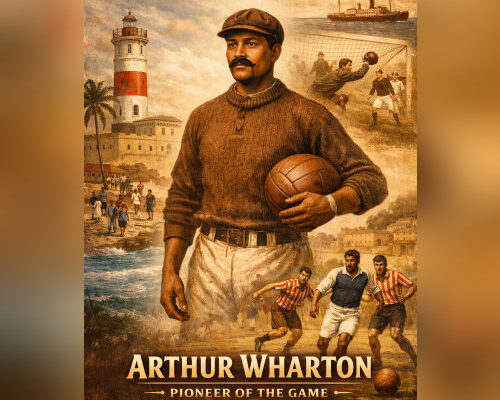
From Jamestown to the World: The Ghanaian Roots of the First Black Football Pioneer

When people discuss the early history of football, the narrative often begins in Britain and gradually expands to the rest of the world. Rarely, however, does the conversation turn toward West Africa—particularly the historic Gold Coast, present-day Ghana. Yet one of the most remarkable pioneers of the sport, widely regarded as the first Black professional…

Read More

Early Signs of State Control Over Media

The early years of Ghana’s independence, particularly between 1957 and the mid-1960s, reveal the gradual emergence of state control over the media. While independence initially generated optimism about press freedom, archival newspaper records, government policies, and editorial patterns show that signs of state influence appeared almost immediately. These early developments shaped the long-term trajectory of…

Read More

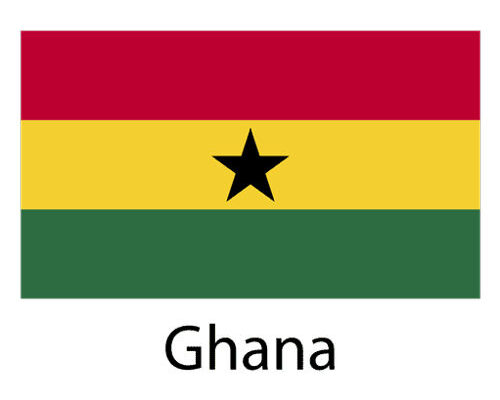
The Ghana National Flag: Symbol of Unity, Freedom, and Heritage

A Historic Emblem of Independence The Ghana national flag is more than a piece of cloth fluttering in the wind; it is a powerful symbol of the country’s history, aspirations, and identity. First officially adopted on March 6, 1957—the same day Ghana became the first African nation to gain independence from colonial rule—the flag reflects…

Read More
Phobians rising with a chant

Why Accra Hearts of Oak Are Called “Phobia”: An account of their dominance in the 1960s

Accra Hearts of Oak Sporting Club was formally established on 11 November 1911 in Accra (then part of the British colony called the Gold Coast). Founded by a group of young men, including Christopher Brandford Nettey and Akom Duncan, it was part of the earliest wave of organized football in the region — at a…

Read More