



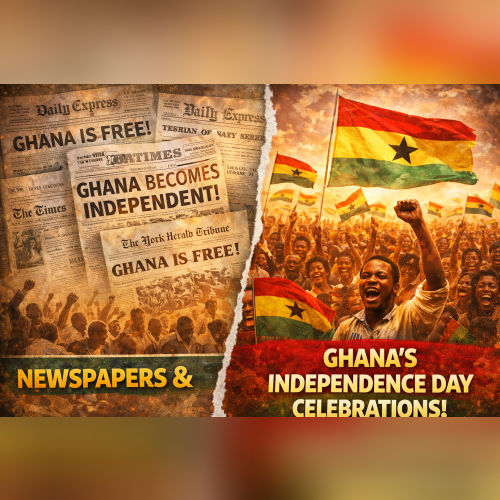
The relationship between newspapers and Ghana’s Independence Day celebrations is deeply rooted in the country’s political history and media evolution. From the late colonial period through the attainment of independence in 1957 and into the post-colonial era, newspapers played a central role in documenting, shaping, and amplifying the meaning of national freedom. In the Gold Coast—now Ghana—the press served not only as a recorder of events but also as an active participant in mobilizing public sentiment, constructing national identity, and preserving historical memory surrounding independence celebrations.
Newspapers in the Late Colonial Period
By the 1940s and 1950s, the Gold Coast had developed a vibrant newspaper culture fueled by rising literacy and nationalist political movements. Publications such as the West African Pilot, Gold Coast Spectator, and Ashanti Pioneer became influential platforms for political debate.
These newspapers were closely tied to emerging nationalist leaders, most notably Kwame Nkrumah, whose Convention People’s Party (CPP) used the press extensively to communicate its political agenda. Newspapers reported on rallies, strikes, and constitutional negotiations, helping to create widespread public awareness of the independence movement.
As independence approached, newspapers began framing the event as a historic culmination of decades of resistance, political activism, and international diplomacy.
The Press and the Historic Night of March 6, 1957
Newspapers played an especially crucial role during the historic transition from colonial rule to independence. In the days leading up to March 6, 1957, newspapers published countdown features, editorials, and special supplements highlighting the significance of the moment.
Journalists documented preparations for the independence ceremony at the Independence Square in Accra, including the construction of ceremonial platforms, the arrival of international dignitaries, and rehearsals for military parades.
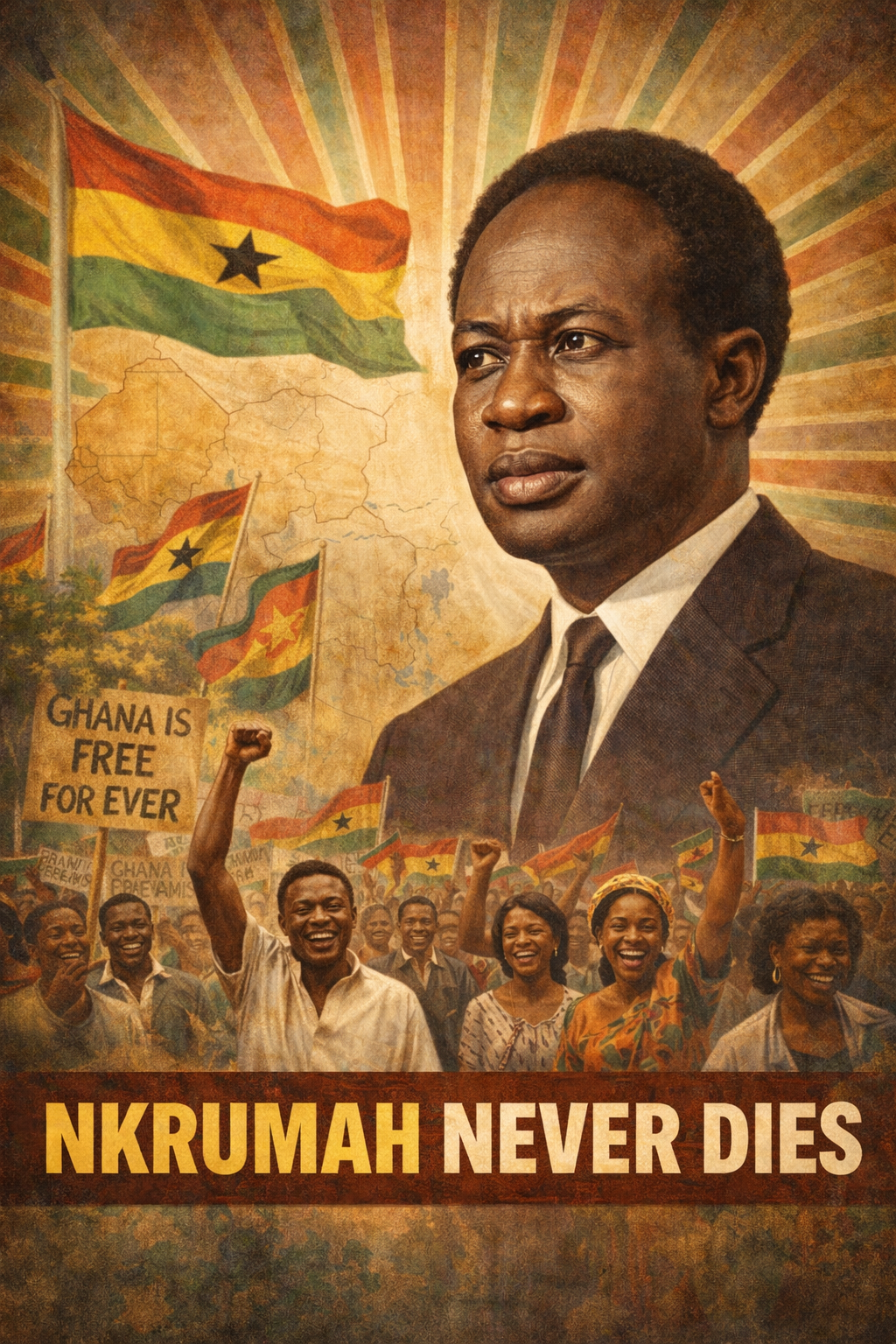
On the night of independence, newspaper correspondents provided detailed accounts of the lowering of the British Union Jack and the raising of Ghana’s national flag. Reports vividly described Nkrumah’s famous declaration: “Ghana is free forever.”
These early newspaper reports became foundational historical records that continue to shape national memory.
Framing Independence as National Identity
Newspapers did more than report events; they actively framed independence celebrations as symbols of unity, pride, and African self-determination. Editorials emphasized themes such as:
- The triumph of African nationalism over colonial domination
- The beginning of a new era of self-governance
- Ghana’s leadership role in Pan-African liberation
The press frequently highlighted Ghana’s independence as a beacon for other African nations still under colonial rule, reinforcing the country’s international political significance.
This framing contributed to the creation of a shared national narrative that linked independence celebrations to broader ideals of freedom and progress.
Coverage of Early Independence Day Celebrations
In the years immediately following 1957, newspapers provided extensive coverage of annual Independence Day events. Reports detailed military parades, school marches, cultural performances, and presidential speeches.
Newspapers often published photographs of celebrations across different regions, reinforcing the sense of nationwide participation. These visual and textual records helped institutionalize Independence Day as a major national tradition.
Coverage also reflected political priorities of the time, highlighting development projects, industrial achievements, and diplomatic initiatives as evidence of the success of self-rule.
Newspapers During Political Changes
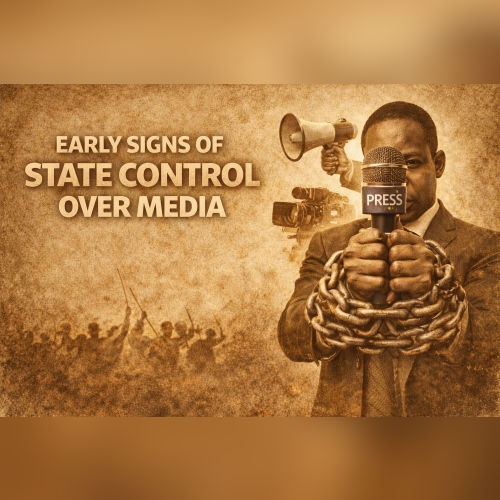
As Ghana experienced political transitions—including military coups and changes in government—newspaper coverage of Independence Day evolved. During periods of political instability, some governments used state-controlled media to promote official narratives emphasizing unity and legitimacy.
Despite these shifts, newspapers continued to serve as important platforms for public reflection. Editorials frequently assessed the nation’s progress, challenges, and future aspirations during Independence Day anniversaries.
The Role of Newspapers in Preserving Historical Memory
One of the most enduring contributions of newspapers has been their role in preserving historical records of independence celebrations. Archival newspaper collections provide detailed documentation of speeches, public reactions, and ceremonial practices over decades.
These archives serve as invaluable resources for historians, educators, and journalists seeking to understand how Independence Day has evolved and how national identity has been constructed over time.
They also allow contemporary audiences to revisit firsthand accounts of Ghana’s transition to sovereignty.
Modern Newspaper Coverage
In contemporary Ghana, newspapers—both print and digital—continue to play a central role in Independence Day celebrations. Coverage now includes historical retrospectives, interviews with independence-era participants, and analysis of national development.
Modern reporting often situates Ghana’s independence within global contexts, examining its influence on African liberation movements and ongoing democratic challenges.
This continued engagement demonstrates the enduring connection between the press and national commemorative culture.
Conclusion
Newspapers have been integral to Ghana’s Independence Day celebrations from the colonial era to the present. They documented the historic transition to independence, shaped national narratives of freedom, and preserved collective memory through archival reporting.
By mobilizing public sentiment, framing national identity, and maintaining historical records, newspapers have ensured that Independence Day remains not only a ceremonial event but also a living symbol of Ghana’s political journey and aspirations for the future.