



Suicide is defined as death resulting from self-directed harmful behavior carried out with the intent to die. A suicidologist is a professional who specializes in the scientific study of suicide and suicidal behavior. Suicidologists examine the causes of suicide, develop strategies for prevention, design and evaluate intervention measures, and study postvention—the responses and supports needed after a suicide has occurred to assist affected individuals, families, and communities.
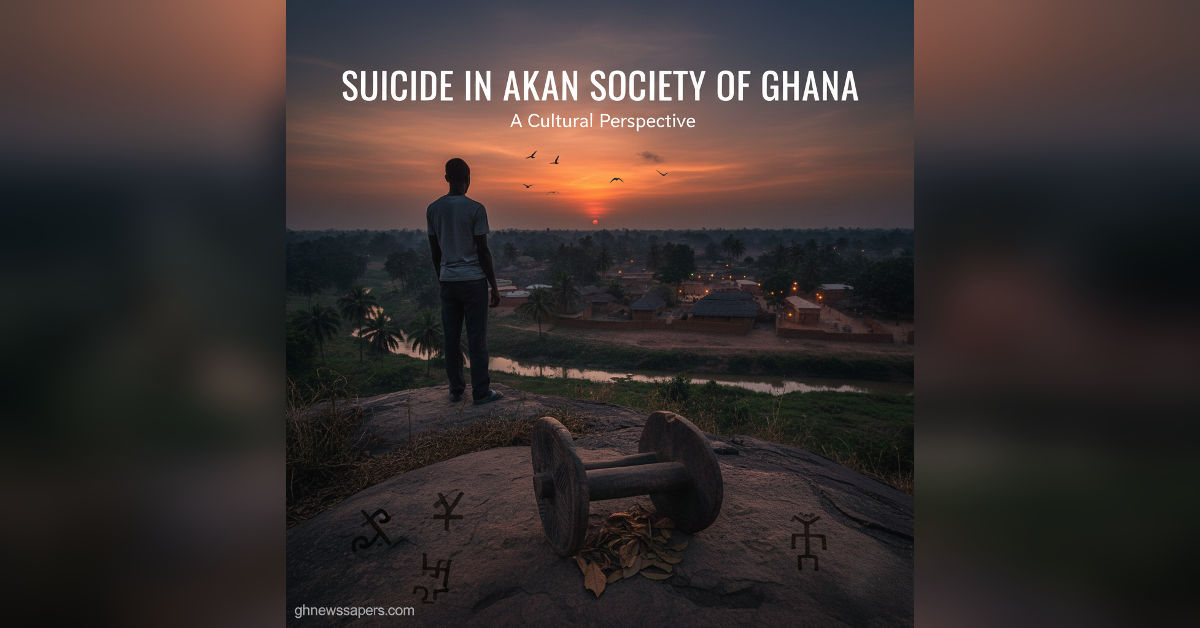
This essay explores suicide in Akan society. The Akan people are an ethnic group in Ghana, West Africa, making up about 46 percent of the country’s current population of 35 million.
In Akan society, suicide is strictly prohibited. It is seen as an offense against both God (Onyankopon) and the ancestors (Nananom Nsamanfo). Akans believe that death is inevitable and that every person has a divinely appointed time to return to God. Suicide is viewed as violating this divine arrangement, as it cuts life short before the appointed time.
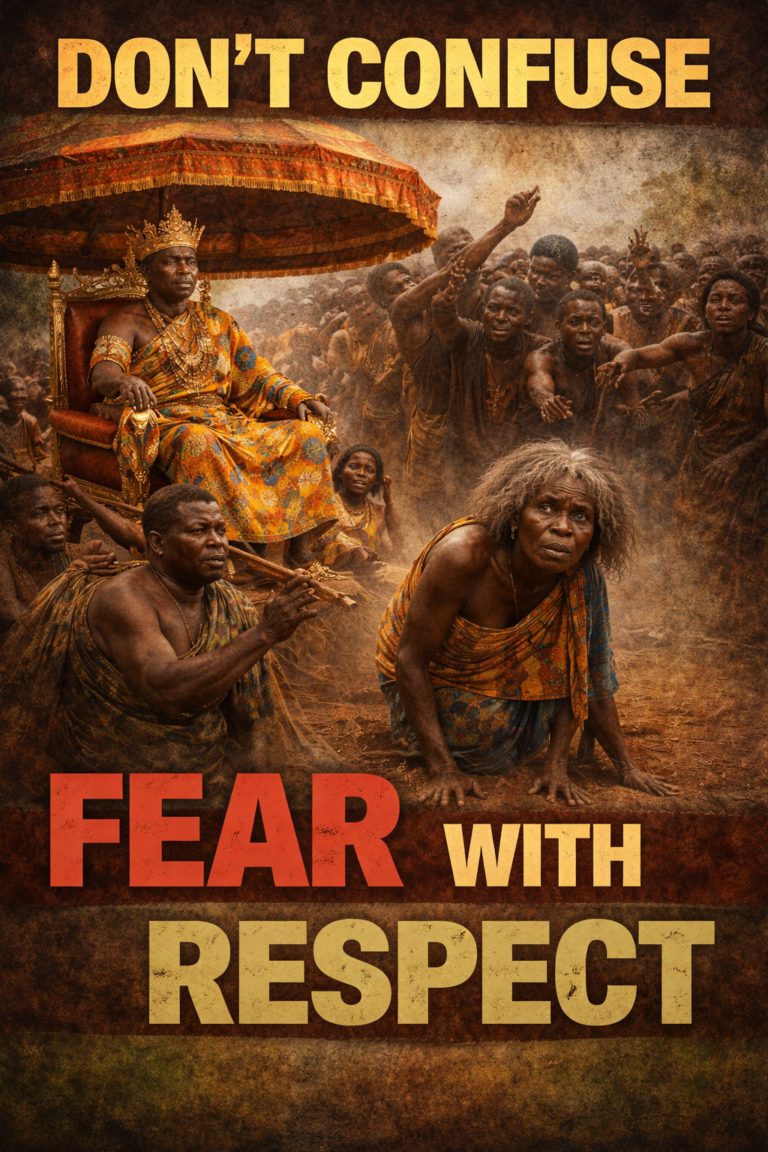
Historically, those who died by suicide were severely punished even after death. The deceased body was taken to the King’s court and “tried” for the act of taking its own life. The corpse was invariably found guilty. As punishment, it was decapitated, and the headless body was thrown into the forest, where wild animals such as hyenas would consume it. Additionally, the person’s belongings were confiscated or taken over by the state.
Today, while the practice of punishing the corpse is no longer observed, suicide remains deeply condemned. Akans believe in reincarnation, and a person who dies naturally may be reborn within the community. In contrast, the spirit of someone who commits suicide cannot return to God until the appointed time. Such a spirit wanders the earth and is known as samantwentwen. It is believed to linger around the site of the suicide, often frightening those nearby, and many people avoid visiting such locations.
In Akan culture, suicide is considered a form of “bad death.” By contrast, a “good death” occurs naturally, without disgrace. Those who die by suicide are denied many of the mortuary rituals given to those who die a good death. For example, the body is hurriedly buried without bathing or washing, no wake or visitation is held, and the corpse is often buried in the same clothes it wore at the time of death.
Families may use a simple casket and even bury the body face down to express shame. Mourning is prohibited, and no funeral ceremony is conducted. Being denied a funeral is considered one of the greatest dishonors in Akan society.
Suicide carries social stigma. Families of those who died by suicide may face difficulties, such as the belief that relatives of a suicide are more likely to take their own lives. For this reason, people sometimes conceal the cause of death, reporting it as an accident or illness to avoid family shame.
Akans often interpret suicide as having spiritual causes. Malevolent witches, punishment from gods or ancestors, or the consequences of heinous sins such as incest may lead a person to take their own life. Suicide is regarded as polluting and contaminating, and specific rituals must be performed to cleanse the community. Without these rituals, Akans believe that more suicides may occur or that the society may experience calamities such as famine, floods, or epidemics.