






In Ghana, success is loudly celebrated, quietly envied, and endlessly debated. Yet, beneath the noise of social media displays, church testimonies, political slogans, and family expectations lies a deeper question we rarely pause to ask ourselves honestly: what does success truly mean to you? Not to your parents. Not to your pastor. Not to society, WhatsApp groups, or funeral announcements. To you.
From childhood, many Ghanaians are socialized into a shared cultural script of what a “successful person” should look like. This script is powerful. It shapes how we raise children, how we compare ourselves to others, and how we judge lives—sometimes unfairly. Below is a list of commonly recognized symbols of success in Ghanaian and African society. As you read, ask yourself: Which of these are on my personal list? Which ones am I chasing—consciously or unconsciously?
Common Symbols of Success in Ghanaian Society
- Higher education and certificates—a bachelor’s degree, master’s degree, doctorate, or PhD.
- Professional qualifications—becoming a lawyer, accountant, nurse, medical doctor, engineer, or similar professional.
- A stable and well-paying job that provides financial security.
- Good health—a life perceived as free from chronic illness.
- A beautiful or admirable body—attractiveness, musculature, and physical appeal.
- Having a lot of money—visible wealth and financial abundance.
- For men, having multiple wives—still viewed in some contexts as a marker of status and masculinity.
- Owning significant property—houses, land, farms, or real estate.
- Driving an expensive, flashy car—such as a BMW, Mercedes-Benz, Range Rover, or similar brands.
- Being married to a beautiful wife or handsome husband.
- Having the desired number of children.
- Having “successful” children—those who excel academically, professionally, or socially.
- Having many friends and social connections.
- Popularity—being widely known, admired, or talked about.
- Political power—holding public office or wielding political influence.
- Strong influence within one’s community—being listened to, deferred to, or respected.
- Owning your own business or being self-employed.
- Having a good relationship with God—often publicly demonstrated through religious commitment.
- Living a long life.
- Education abroad—especially in Europe or North America.
- Fluency in English, preferably with a foreign accent.
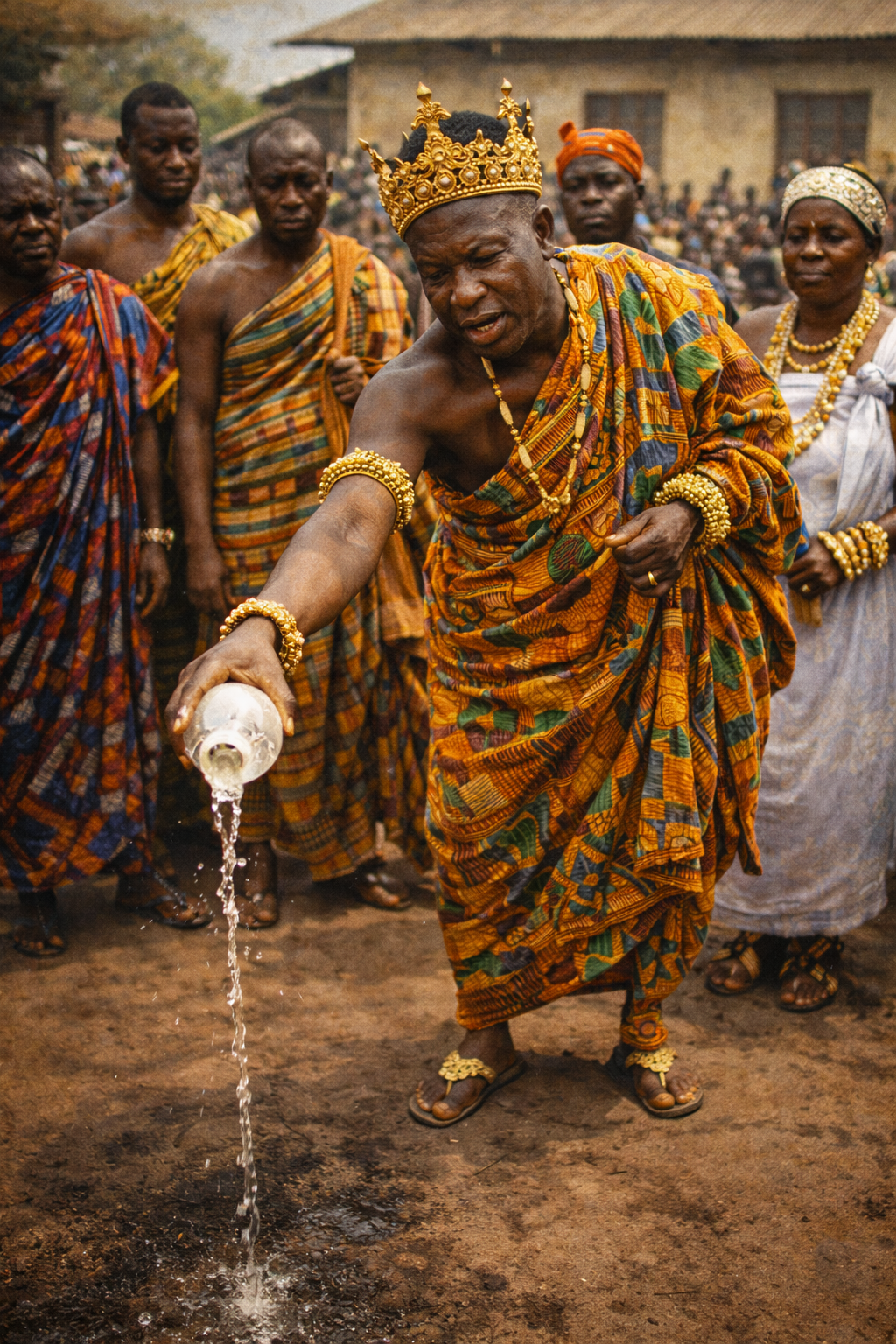
- Holding traditional titles—chief, queen mother, elder, or stool family recognition.
- Church prominence—being a church leader, elder, prophet, or major donor.
- Luxury vehicles and visible lifestyle consumption.
- Being debt-free.
- Being able to support extended family—financially assisting relatives and community members.
- Public recognition at funerals and ceremonies—long lists of donations and acknowledgements.
This list is not inherently good or bad. The problem begins when these symbols become universal yardsticks, applied rigidly to every life, regardless of context, capacity, or personal values. A society that defines success too narrowly risks producing quiet misery, performative living, and unnecessary shame.
The farmer who feeds communities but owns no luxury car—has he failed? The woman without children who mentors hundreds—has she lived in vain? The man who earns modestly but lives peacefully and ethically—has he missed the mark?
In Ghana, success is often externalized—measured by what can be seen, announced, or displayed. Yet some of the most meaningful forms of success are invisible: inner peace, integrity, emotional maturity, freedom from envy, kindness, and the ability to sleep well at night without fear or regret. This is why the question matters. Not rhetorically, but personally.
So, again: Which of these symbols are on your list? Which ones are you pursuing because they truly matter to you—and which ones because society told you they should?
Perhaps it is time we allow room for multiple definitions of success, rooted in Ghanaian values of communal care, dignity, responsibility, and moral life—not only consumption, comparison, and display. A society matures when it learns to ask better questions. This may be one of them.