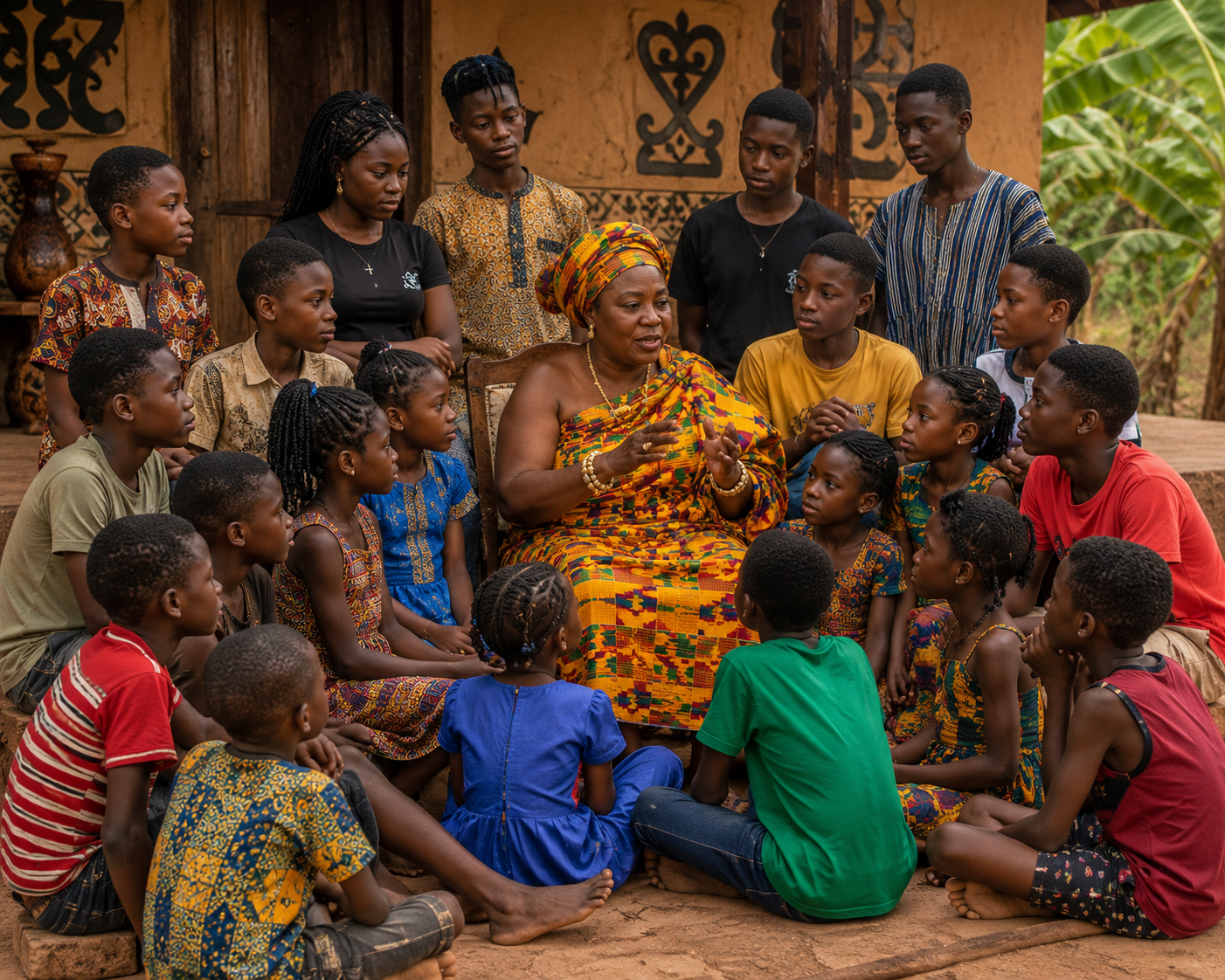






Culture refers to the total way of life of a people. It encompasses both material and non-material elements. Material culture consists of tangible aspects that can be seen and touched, such as cooking practices, eating utensils, earthenware, palanquins, drums, and idiophones. Non-material culture, by contrast, includes intangible elements such as language, music, art, religion, dance, and marriage norms and arrangements.
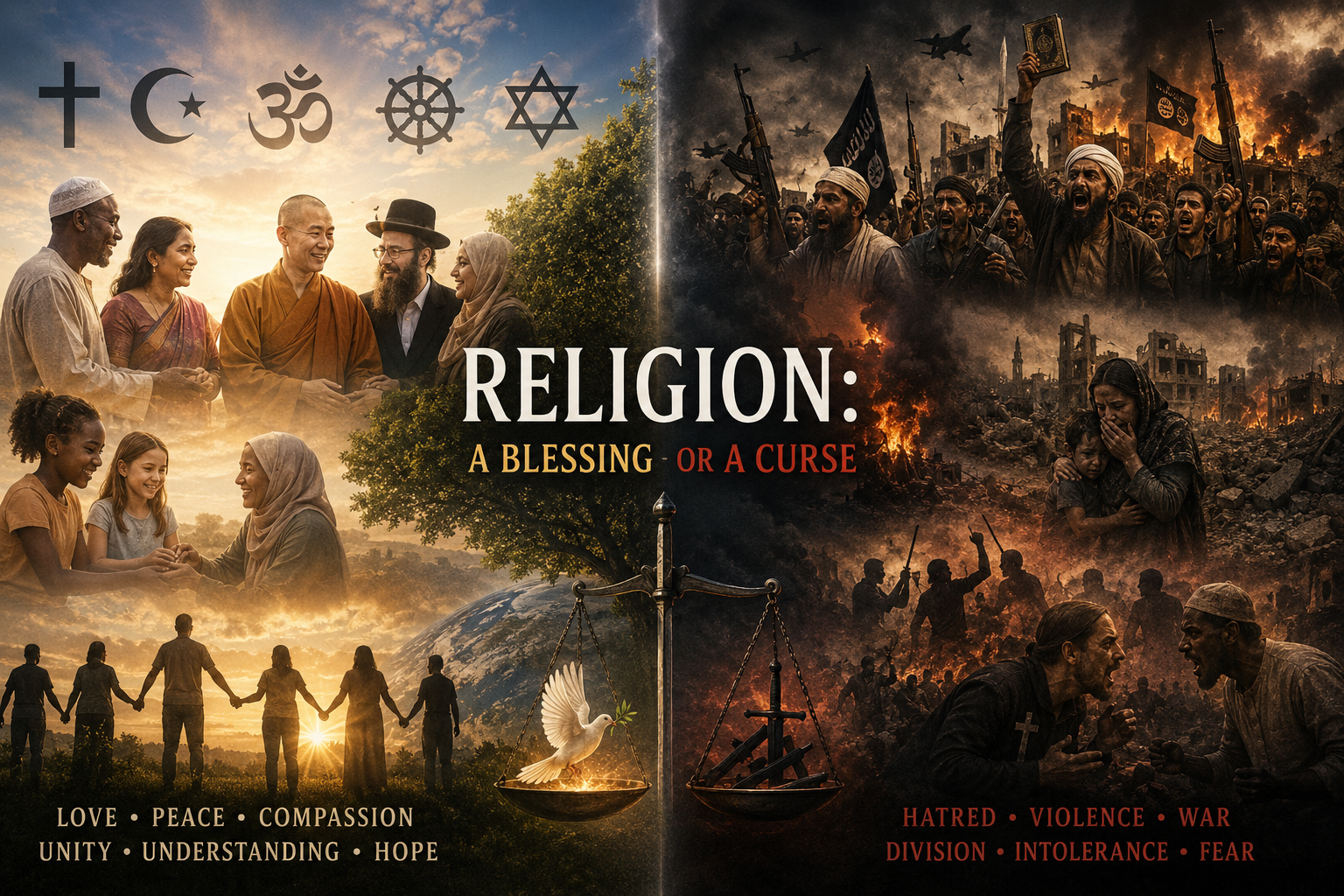
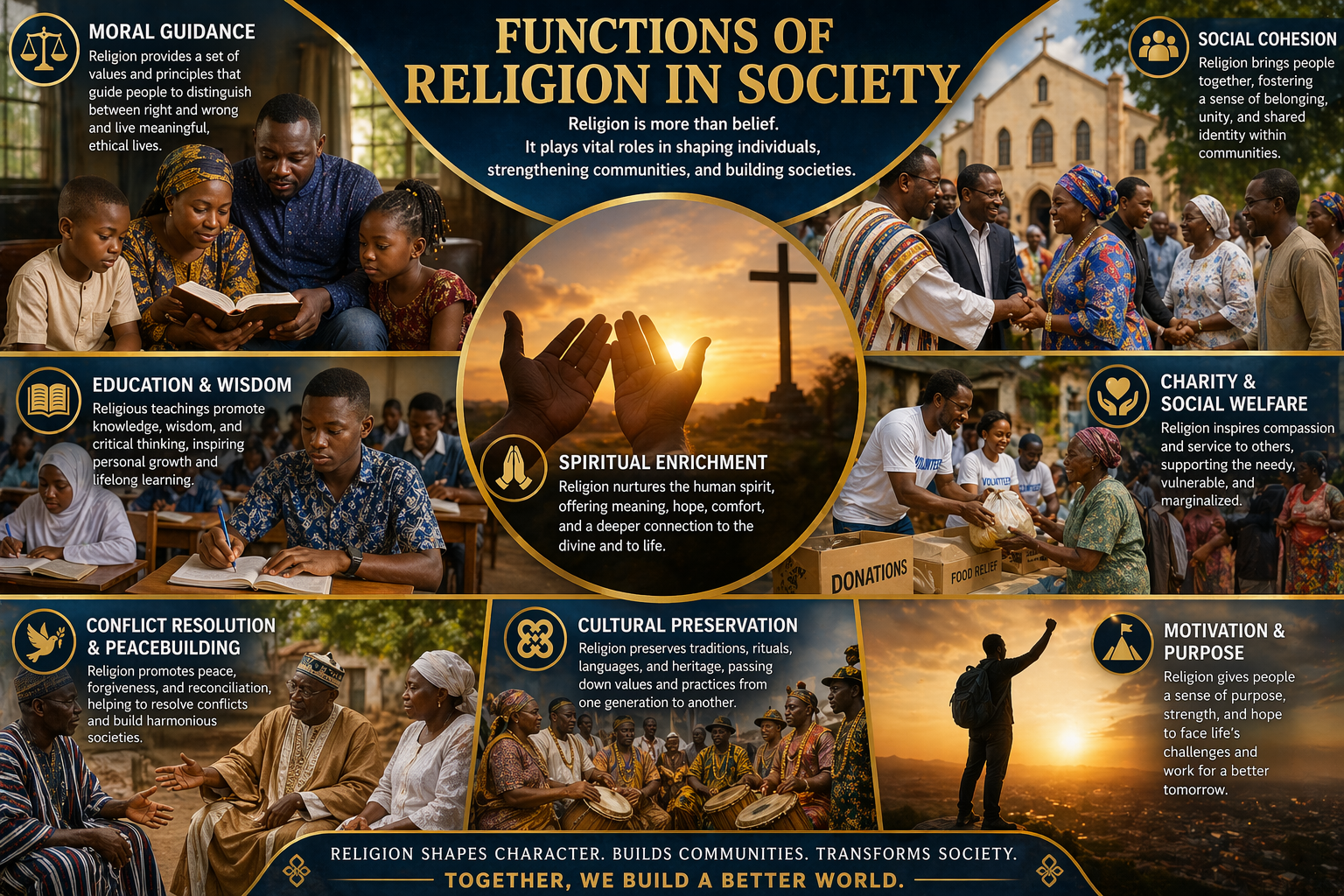
Increasingly, Ghanaians have become aware that they are losing significant aspects of their culture. Over the years, Ghanaian cultural practices have gradually eroded under the pressure of several powerful forces. Chief among these were colonization and colonialism, which forcibly displaced indigenous cultural systems and replaced them with foreign ones. Christianity and Islam further contributed to this process by encouraging or compelling people to abandon traditional religious beliefs and practices in favor of imported religious ideas, whether imposed outright or adopted gradually over time.
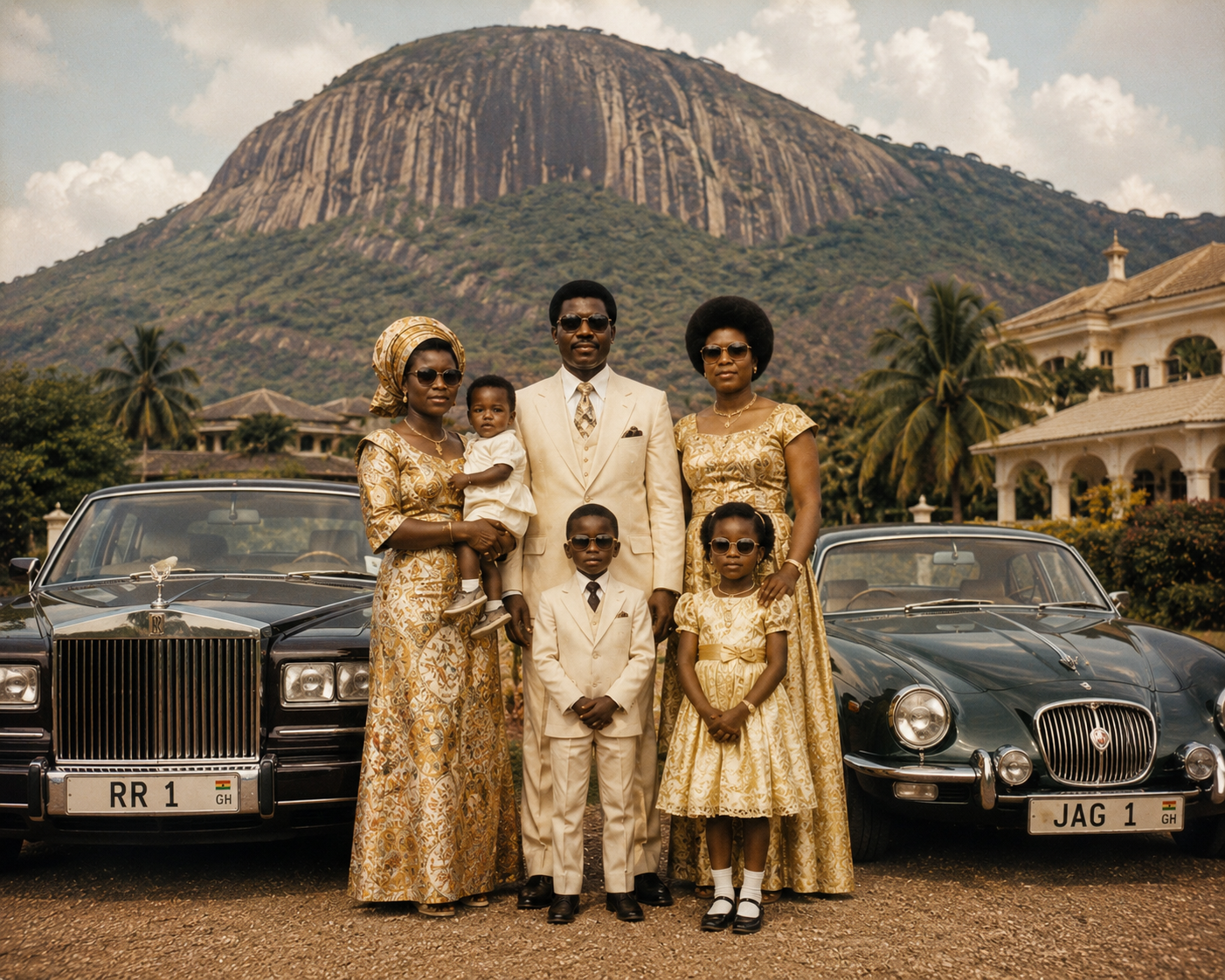
In addition, westernization, industrialization, and globalization have facilitated the rapid diffusion of foreign cultural values into Ghanaian society, often displacing local beliefs, practices, and institutions. Emigration has also played a role. Ghanaians who migrate abroad and later return often bring with them foreign cultural habits, which may supplant or undermine indigenous cultural forms.
Faced with these cumulative assaults on their cultural heritage, Ghanaian leaders and cultural advocates are increasingly declaring that enough is enough. They warn that unless deliberate efforts are made to halt this erosion and reclaim lost traditions, Ghanaians risk becoming estranged from their authentic cultural identities. It is within this context that the philosophy of Sankofa has gained renewed relevance.
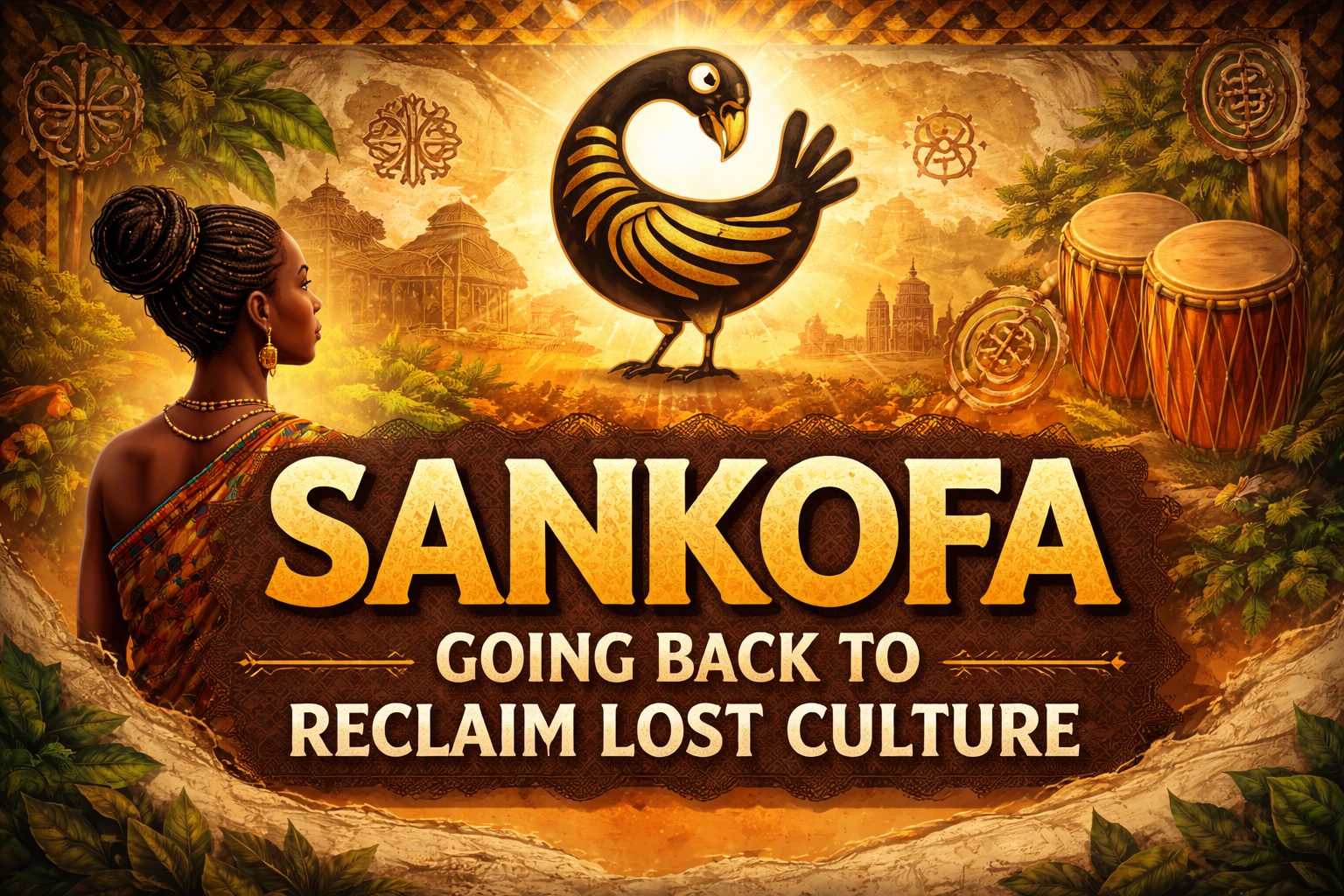
Sankofa is an Akan concept that literally means “to go back and get it”—to retrieve what has been left behind. The Sankofa symbol, often depicted as a bird turning its head backward to retrieve an object from its back, powerfully illustrates the idea that one must return to the past in order to recover valuable cultural knowledge for the present.
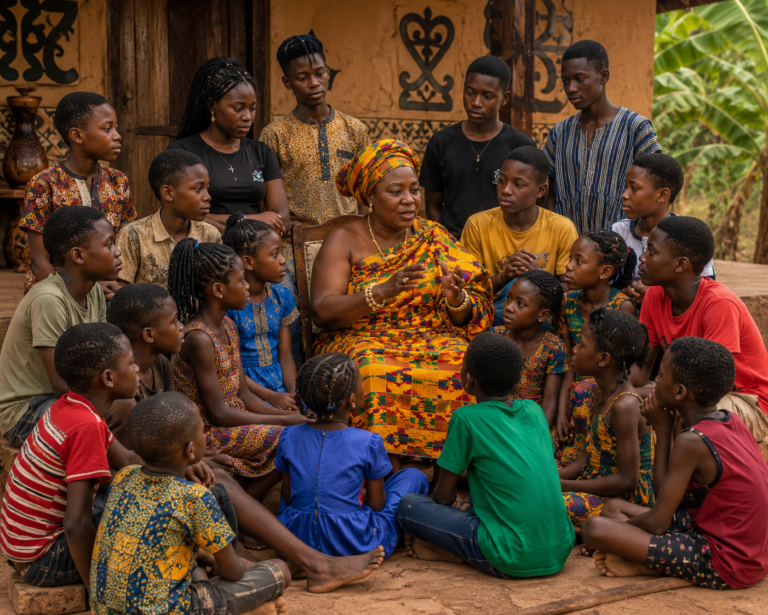
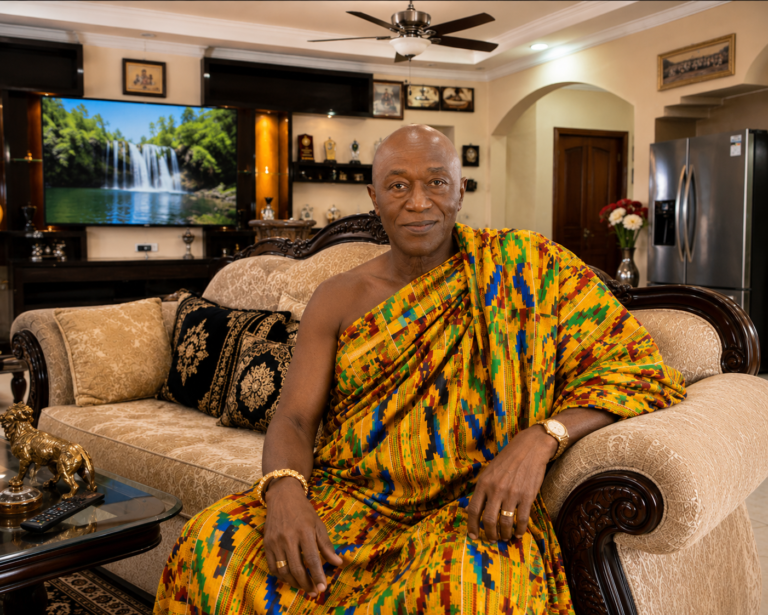
As a result of prolonged cultural disruption, many Ghanaians have lost proficiency in indigenous languages, with English becoming dominant. Some children and even adults can no longer speak any local language. Many people no longer know how to perform traditional dances, sing indigenous songs, or mourn the dead in culturally appropriate ways. Others have lost the skills required to prepare traditional foods or to wear traditional attire properly, such as the Akan art of wearing cloth.
In response, deliberate cultural revival efforts have been undertaken. Educational curricula have been revised to include more indigenous content, particularly in language and cultural studies. At the University of Ghana in the late 1970s, the administration introduced African Studies (popularly known as Afro-Studs). All students—regardless of specialization—were required to pass courses in Ghanaian language, dance, music, and drumming before graduating. Thus, students majoring in Physics, Engineering, or Computer Science were held to the same African Studies requirements as those in the Arts and Humanities. It was a striking and joyful sight to see students working diligently to master cultural materials that were indigenous to them, yet had become unfamiliar due to colonization, Christianization, Islamization, westernization, and globalization.
Beyond formal education, renewed pride in Ghanaian languages and traditions is evident in other areas. Proverb competitions are helping revive linguistic artistry that was once fading. Annual food competitions are reintroducing people to indigenous culinary practices, teaching them how to prepare and appreciate local dishes. Through such initiatives, the spirit of Sankofa continues to guide efforts to reclaim, preserve, and celebrate Ghana’s cultural heritage.