


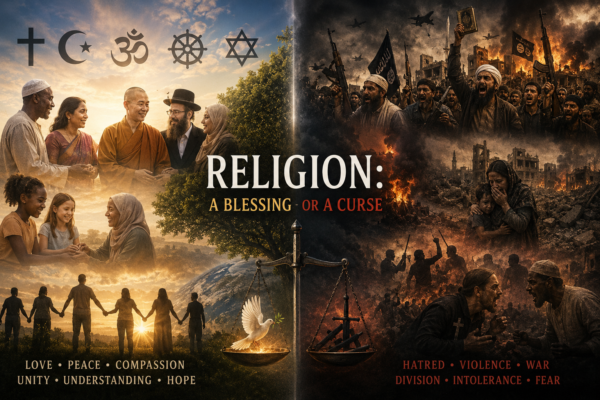
Religion: A Blessing or a Curse, A Boon or a Bane?

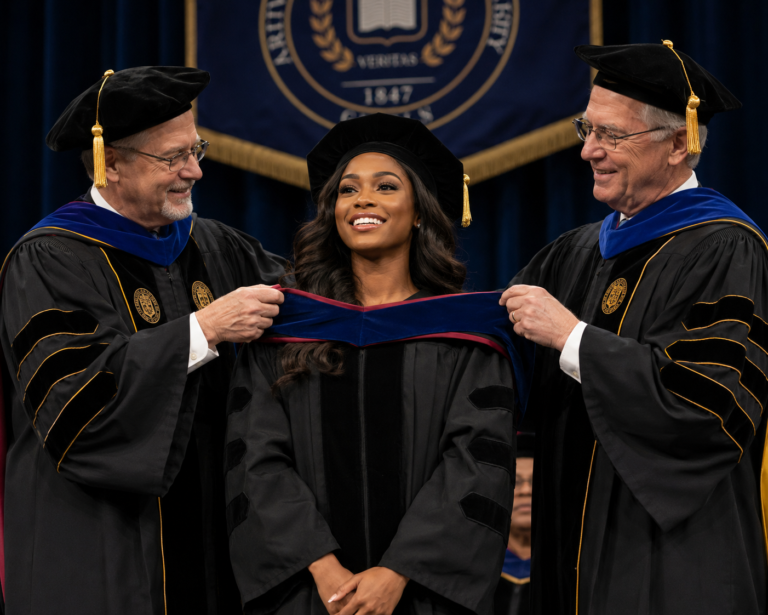
The world today is full of religions. By merely casting a cursory glance around us, we encounter Christians and Christianity, Hindus and Hinduism, Muslims and Islam, atheists, agnostics, traditionalists, Zionists, Jews and Judaism, Confucianists and Confucianism, Shintos and Shintoism. Religion, as sociologists and comparative cultural anthropologists remind us, is a social institution and a cultural…

Read More

How Colonialism, Christianity, and Missionary Education Destroyed African Culture and Transformed Africans

With colonialism came missionaries who sought to convert Africans to Christianity and, in the process, reshape African ways of life. This encounter was not culturally neutral. It involved a systematic attempt—sometimes subtle, often overt—to redefine African identity, values, and social institutions. While missionary education brought literacy and formal schooling, it also carried profound cultural consequences…

Read More

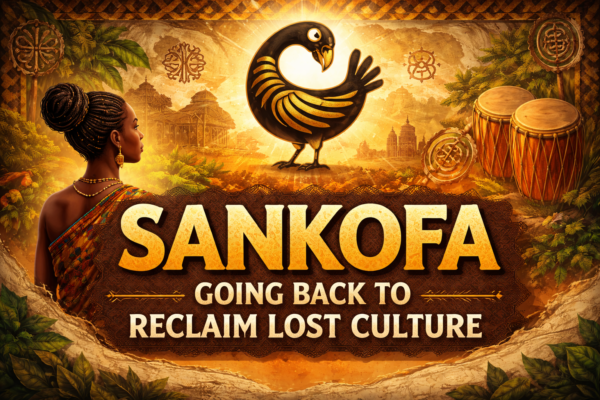
Sankofa: Going Back to Reclaim Lost Culture

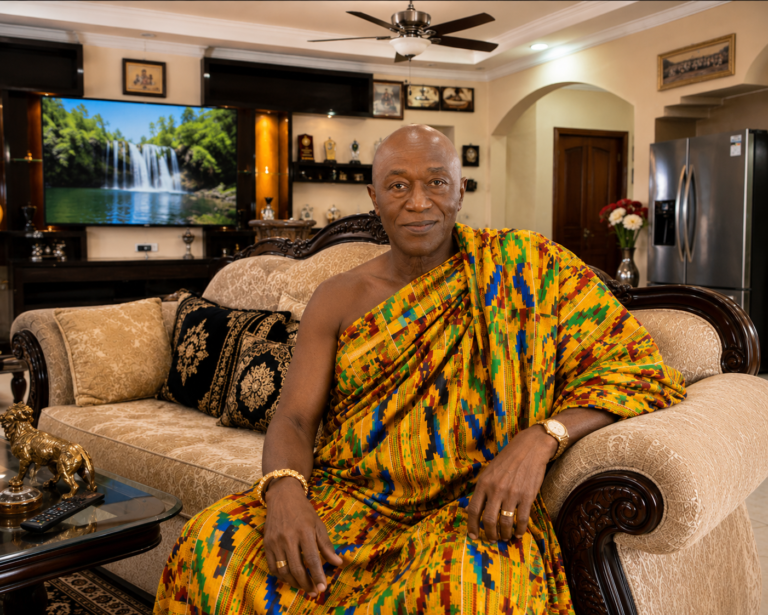
Culture refers to the total way of life of a people. It encompasses both material and non-material elements. Material culture consists of tangible aspects that can be seen and touched, such as cooking practices, eating utensils, earthenware, palanquins, drums, and idiophones. Non-material culture, by contrast, includes intangible elements such as language, music, art, religion, dance,…

Read More

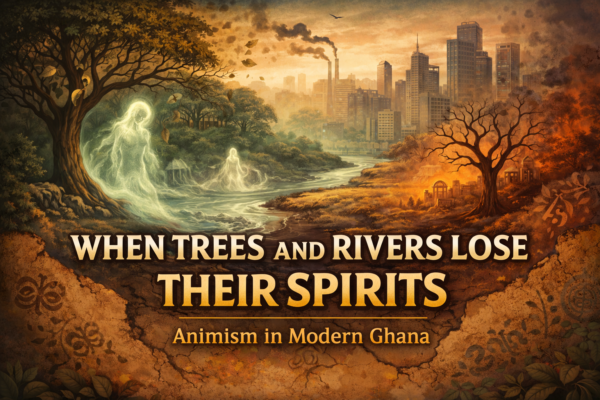
When Trees and Rivers Lose Their Spirits: Animism in Modern Ghana

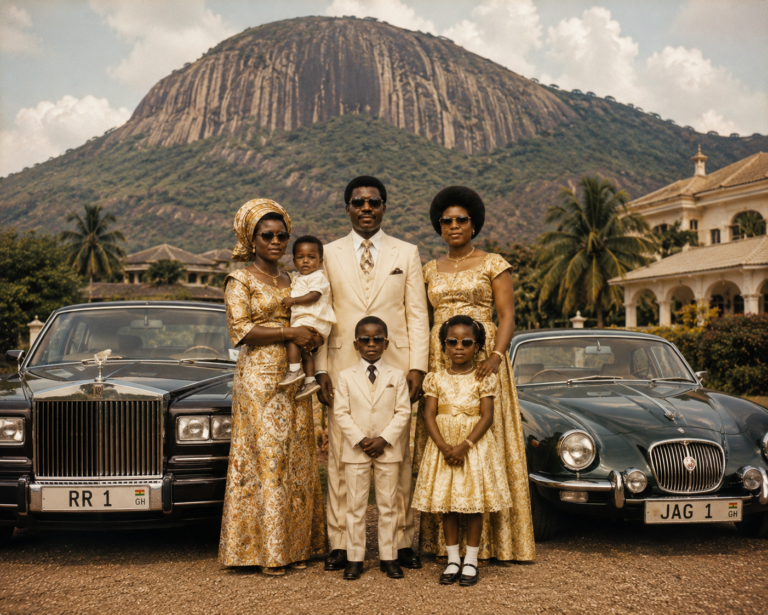
Animism is the belief that the environment and society are populated with spirits. Many Ghanaians hold animistic beliefs, maintaining that their surroundings are inhabited by spiritual beings. Some of these spirits are believed to be benevolent, while others are considered malevolent. Animistic beliefs are widespread across Ghana’s ethnic groups. Even Ghanaians who identify as Christian…

Read More