










Children are the future of every society. Yet Ghana faces a serious challenge if urgent steps are not taken to ensure that today’s children are properly guided and nurtured to grow into law-abiding and responsible citizens.
In recent years, there has been a noticeable increase in juvenile delinquency across the country. Many children are skipping school, showing insolence toward parents, guardians, teachers, and other adults, consuming alcohol, smoking cigarettes, abusing illicit drugs and substances, engaging in early sexual activity, and participating in acts such as stealing, robbery, and burglary.
A child is considered delinquent when his or her behavior violates the laws of the land. Understanding the causes of such behavior is essential if society is to respond effectively.
Major Causes of Juvenile Delinquency
Parental neglect:
When parents or guardians fail to provide children with basic necessities such as food, clothing, shelter, care, and emotional support, some children resort to deviant behavior in an attempt to meet their needs.
Parental deviance:
Children often learn by example. When parents engage in criminal or socially unacceptable behavior, their children may imitate such conduct, believing it to be normal or acceptable.
Corporal punishment:
Research indicates that harsh and excessive corporal punishment can promote aggression and violence in children, rather than discipline and self-control. Children who are frequently beaten may learn to resolve conflicts through violence.
Exposure to media violence:
Children who are repeatedly exposed to violent content on television, social media, video games, and other platforms may imitate what they see, especially when such behavior appears to be rewarded or glorified.
Peer pressure:
Associating with delinquent peers can strongly influence a child’s behavior. Children often engage in deviant acts in order to gain acceptance, approval, or status among their friends.
Availability of drugs and illicit substances:
When drugs and other harmful substances are readily available within communities, children are more likely to experiment with and abuse them, increasing the risk of delinquent behavior.
Inadequate supervision:
Lack of proper supervision at home and in the community leaves children vulnerable to negative influences. Children who are left unsupervised for long periods are more likely to engage in risky and unlawful activities.
Conclusion
Juvenile delinquency is not merely a problem of children; it is a mirror reflecting the failures of families, communities, institutions, and the wider society. Addressing it demands deliberate and sustained action, not indifference or blame.
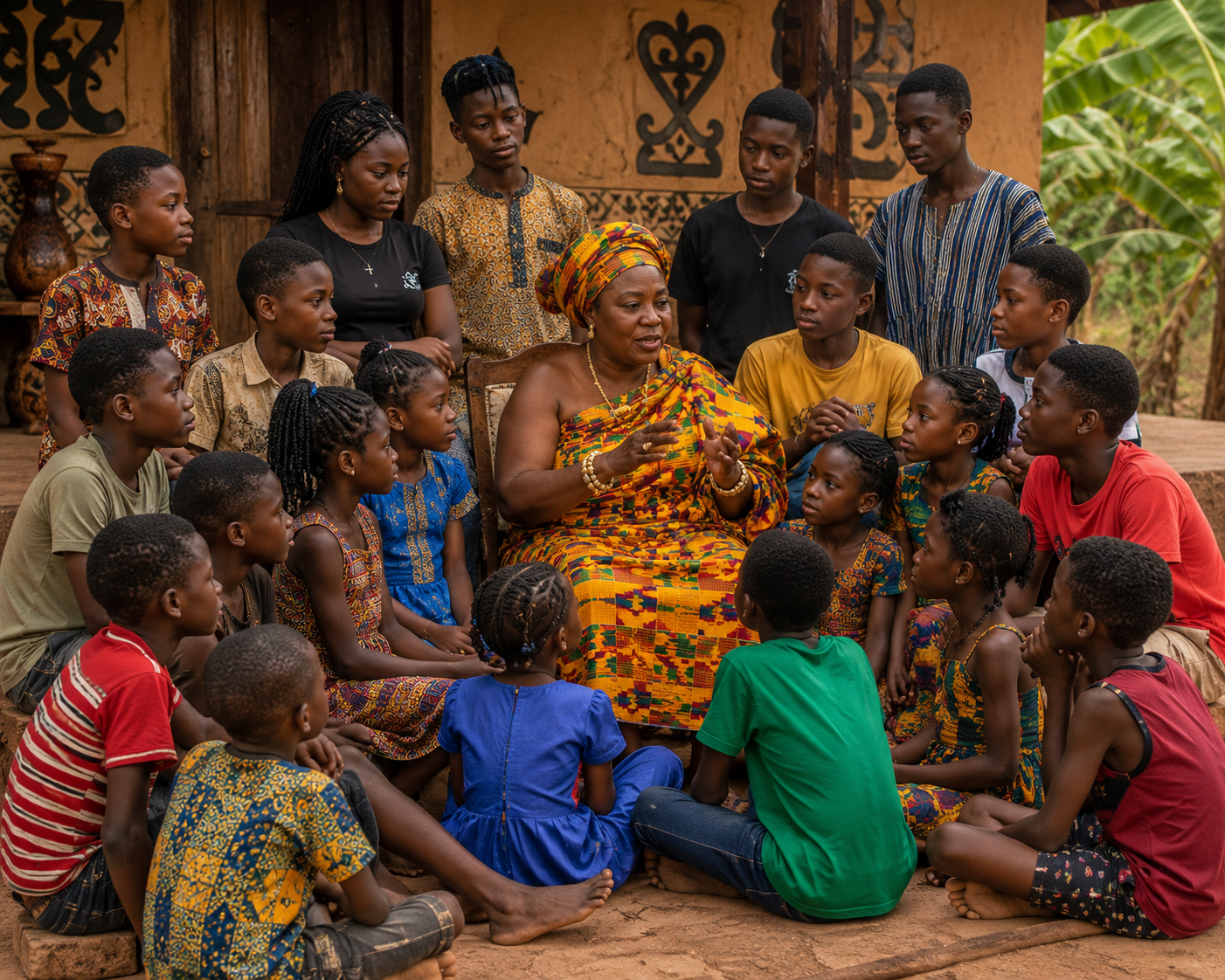
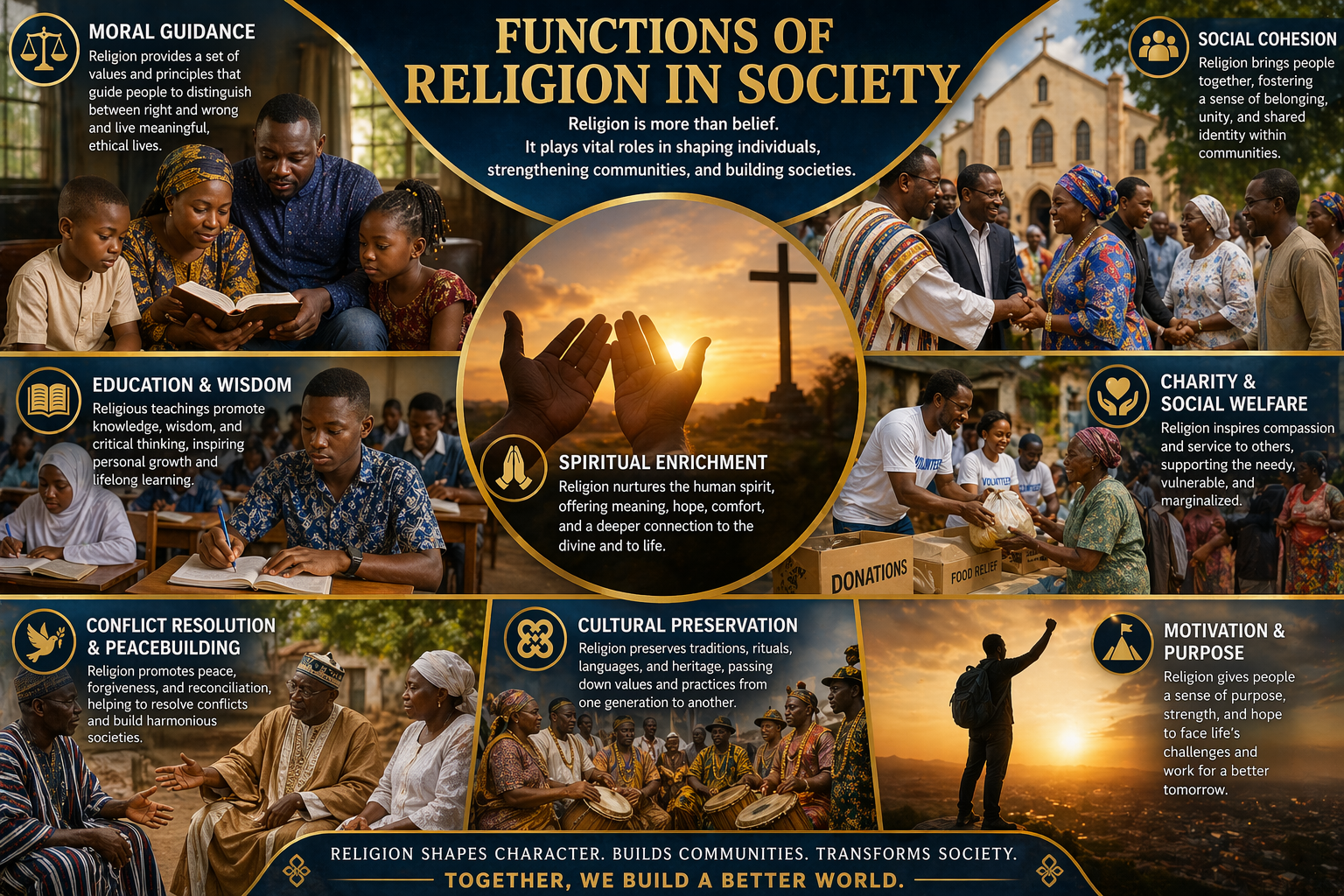
Parents and guardians must recommit themselves to the moral, emotional, and material upbringing of their children. Schools must go beyond academic instruction to actively shape character, discipline, and civic responsibility. Community leaders, religious institutions, and traditional authorities must reclaim their role as moral anchors and mentors for the young.
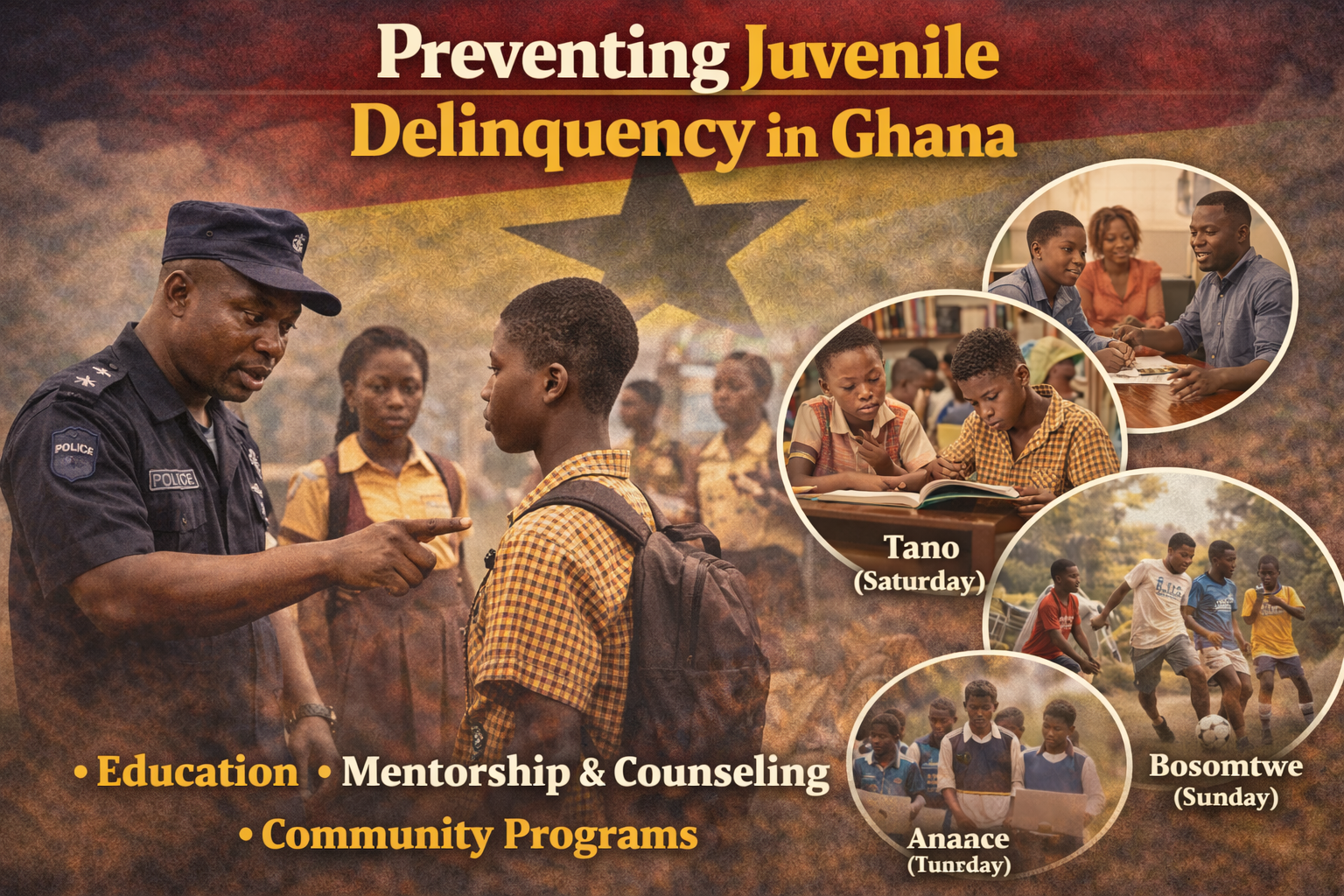
The state, for its part, must strengthen child protection systems, invest in youth development programs, regulate harmful media content, and ensure that drugs and illicit substances are kept out of communities. Law enforcement agencies and social welfare institutions must work proactively with families rather than intervening only after harm has occurred.
If Ghana is to secure its future, it must act decisively today. A society that neglects its children courts its own decline. The responsibility to raise disciplined, responsible, and law-abiding citizens belongs to all of us—and the time to act is now.