

Africa is one of the most misunderstood places in the world. Popular myths—often repeated in classrooms, media, and casual conversation—have distorted global understanding of the continent. Below are some common falsehoods about Africa, alongside the facts.
False: Africa Is a Country
True: Africa is a continent.
Africa is the world’s second-largest continent and is made up of 54 independent countries, each with its own territory, government, national flag, and currency. Nigeria is not Ghana; Kenya is not Senegal. Africa is as diverse as Europe or Asia—arguably more so.
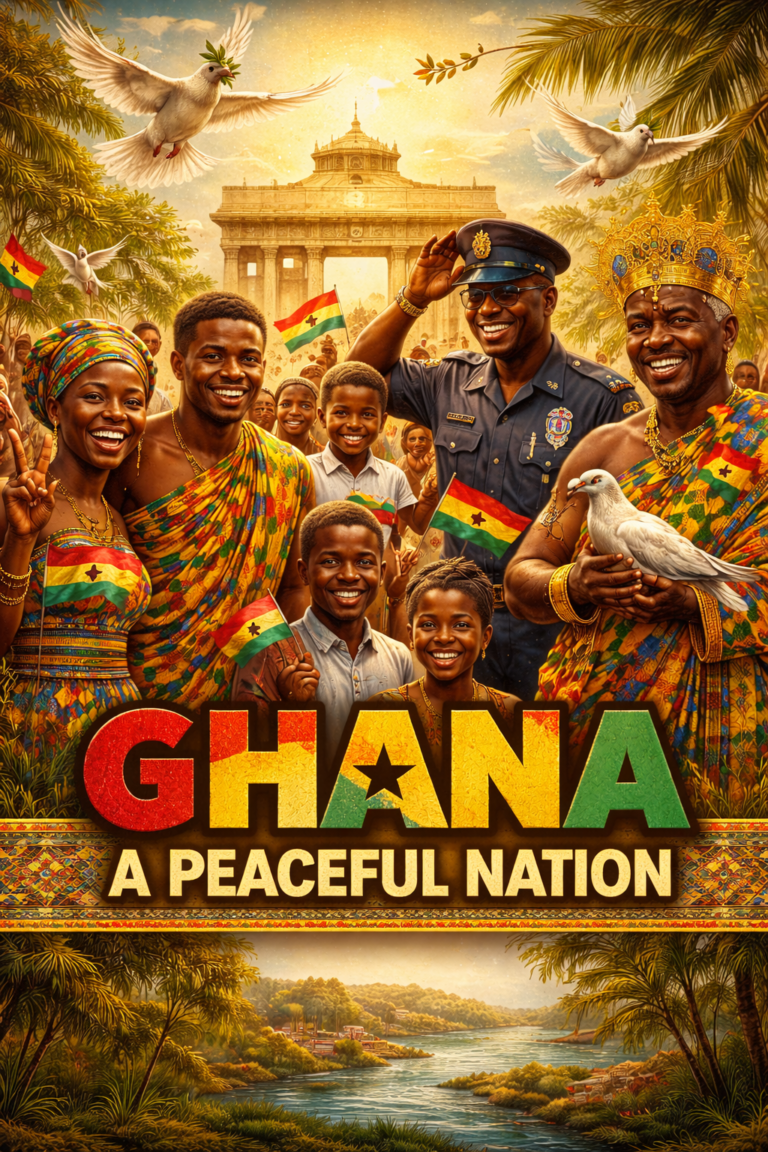
False: Africa Is a War-Torn Continent
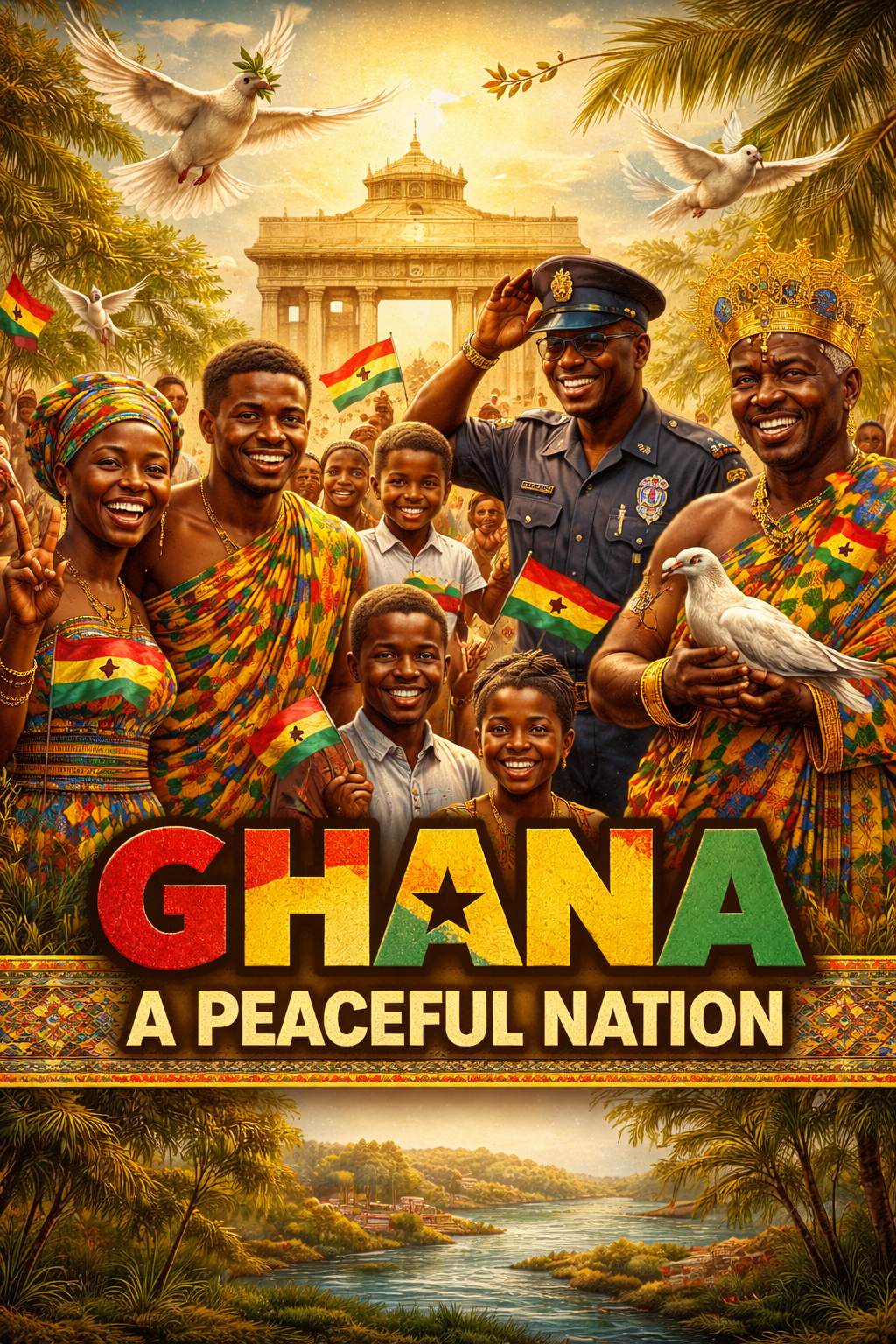
True: Most African countries are peaceful.
Armed conflicts exist in only a handful of countries at any given time. Even where conflicts occur, they are often localized, short-lived, or externally fueled by foreign political and economic interests. The vast majority of Africans go about their daily lives without war.
False: There Is One African Language
True: Africa is the most linguistically diverse continent on earth.
Africa is home to over 2,000 languages. Many African countries are multilingual.
In Ghana alone, an estimated 50 or more languages are spoken by a population of about 35 million people. English, French, Arabic, and Portuguese—often assumed to be “African languages”—are actually colonial legacies layered on top of rich indigenous linguistic traditions.
False: Africa Is Undeveloped
True: Africa is modern, complex, and unevenly developed—like every other continent.
Across Africa, people live in modern cities, attend universities, work in professional sectors, use smartphones, access hospitals, fly on commercial airlines, and participate in the global economy. While challenges exist, Africa also boasts growing middle classes, expanding infrastructure, centers of innovation, and world-class institutions.
To describe Africa as “undeveloped” is not only inaccurate—it erases the lived realities of over 1.4 billion people.
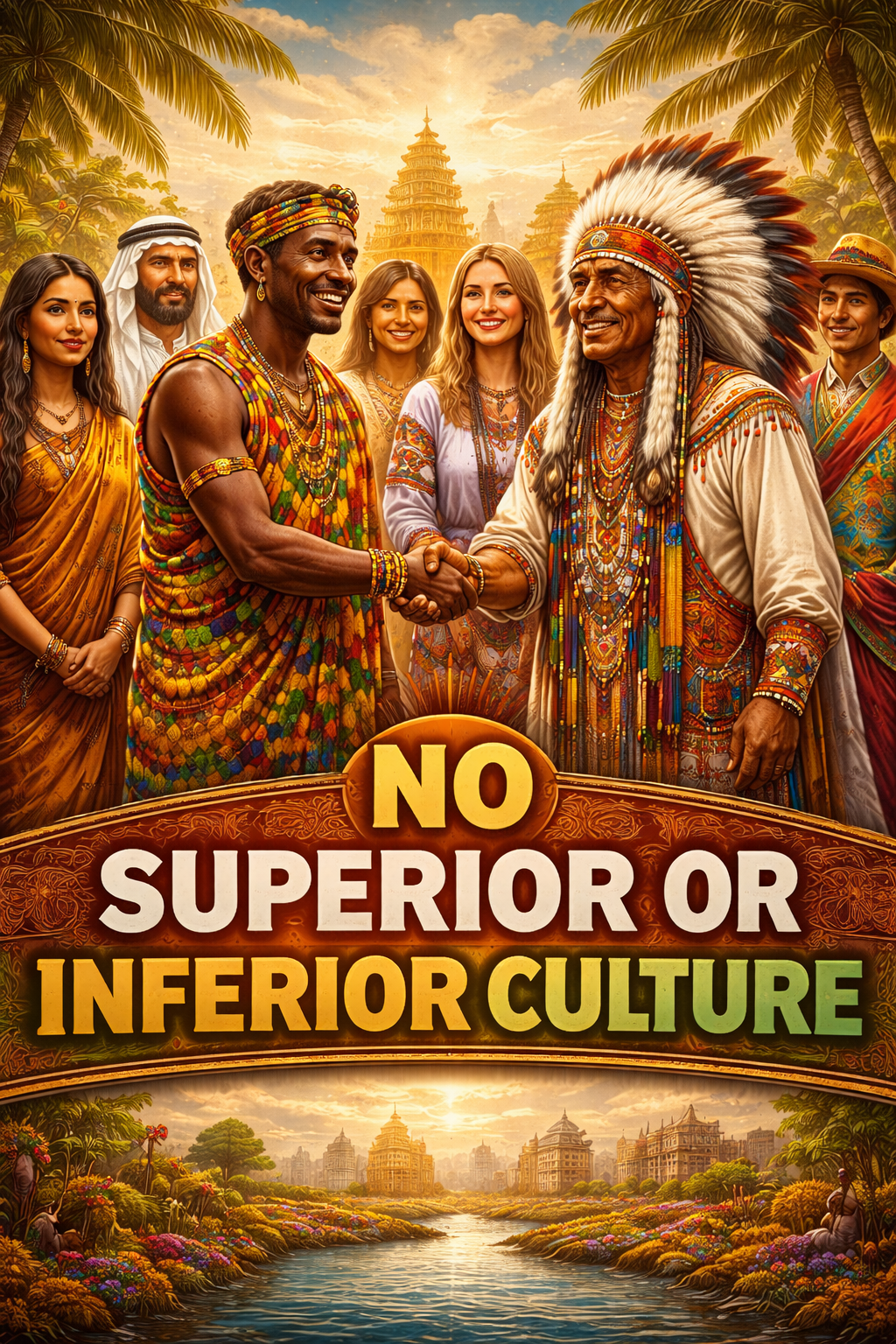
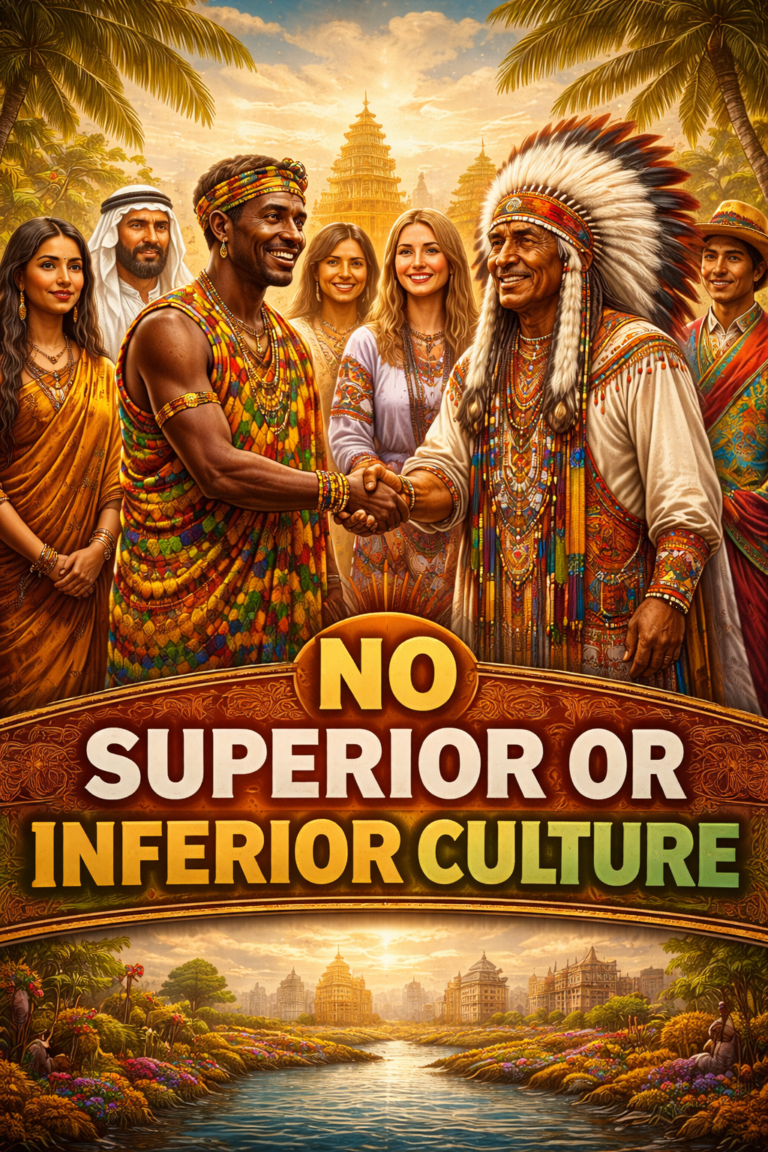
False: There is one African culture
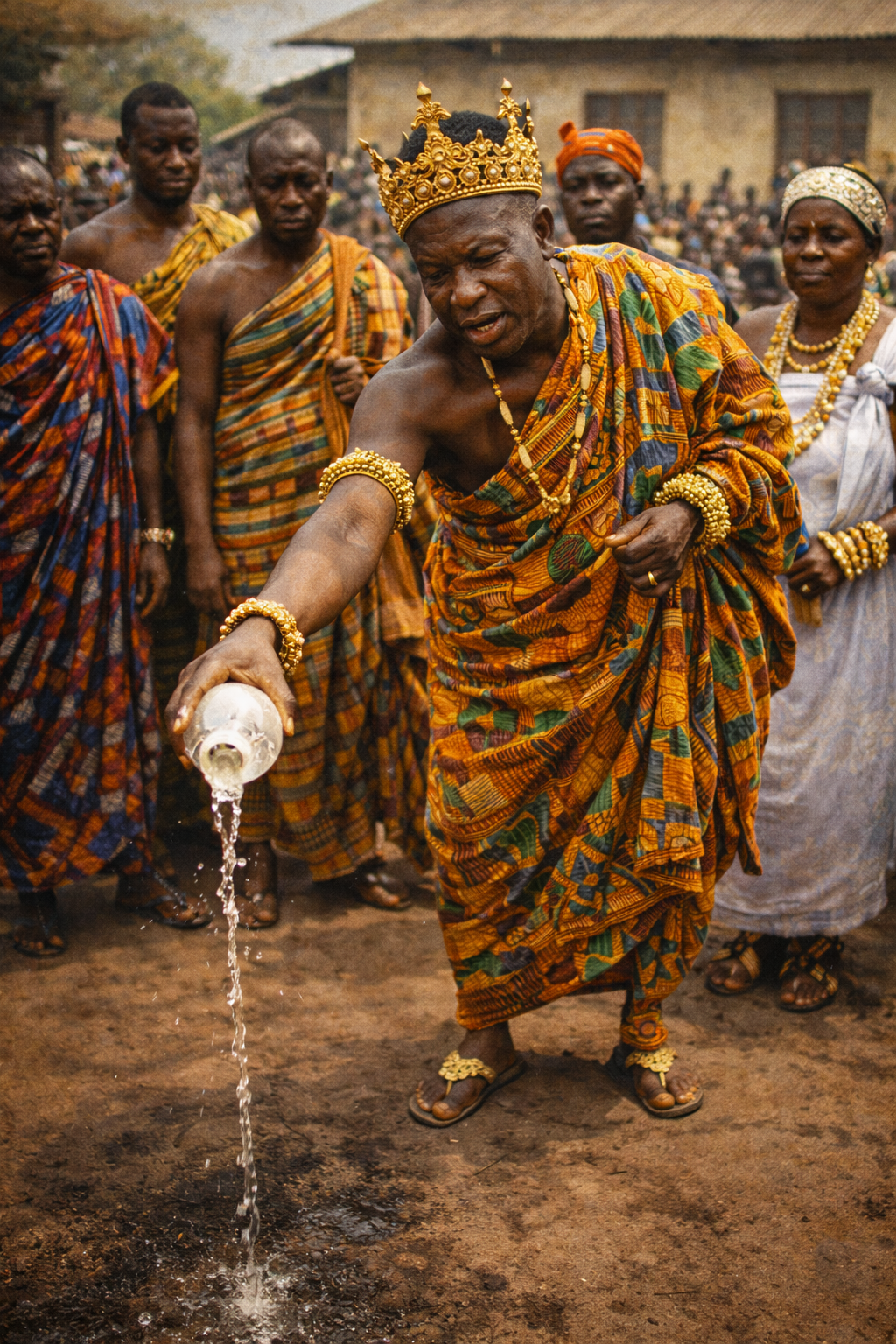
True: Africa is home to thousands of ethnic groups, each with its own distinct culture, traditions, values, and social institutions. While some African societies share similar cultural beliefs and practices due to historical contact, migration, or shared environments, there is no single, uniform African culture. Instead, African cultures are diverse, dynamic, and locally grounded, reflecting the continent’s vast history, geography, and peoples.
The Bottom Line
Africa is not a monolith. It is not frozen in time. It is not a single story.
To understand Africa, one must abandon simplistic myths and engage with facts, diversity, and historical context.
Africa deserves to be known—not imagined.