

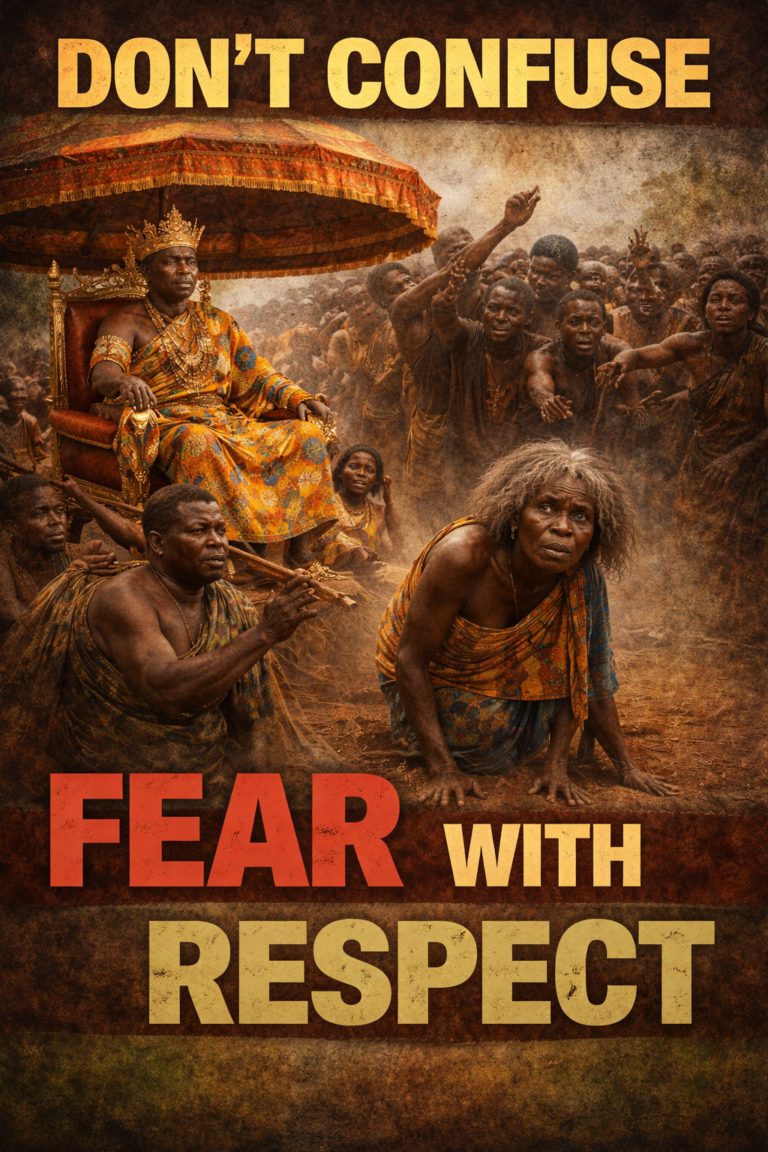




Every year, thousands of children in Ghana suffer abuse at the hands of those entrusted with their care—parents, guardians, and relatives. Reports of battered, neglected, and traumatized children frequently appear in the Ghanaian mass media, often accompanied by disturbing images and heartbreaking details. In many cases, the abuse results in severe physical injuries; in others, it ends tragically in the death of the child.
Why does child abuse persist in Ghana? The causes are complex and deeply rooted in social stressors, cultural beliefs, misinformation, and structural neglect. Several recurring factors stand out.
One major cause is lack of parenting experience or skills. Parents who have little understanding of child development or nonviolent discipline methods are more likely to overreact to normal childhood behavior. What should be corrected with guidance and patience is instead met with anger, shouting, or physical punishment.
Stress is another powerful trigger. Parents facing unemployment, poverty, marital conflict, illness, or emotional distress may displace their frustrations onto children. Under such pressure, minor misbehavior—spilling food, crying excessively, refusing instructions—can provoke disproportionate and violent responses.
Child abuse is also closely linked to alcohol and substance use. Parents under the influence of alcohol or illicit drugs such as marijuana often have impaired judgment and reduced self-control. In such states, discipline easily escalates into physical assault.
Religious beliefs, when interpreted rigidly, can also contribute. Some Christian parents take literally the oft-quoted biblical phrase, “spare the rod and spoil the child.” Believing that physical punishment is divinely sanctioned, they subject children to frequent and severe beatings for even minor infractions, mistaking violence for moral training.
Another common but less understood cause is nocturnal enuresis, or bedwetting. Many parents are unaware that bedwetting is a medical and developmental condition that can be treated. Instead, they interpret it as laziness or defiance. Children who wet their beds are often beaten, shamed, or humiliated for a condition beyond their control.
A related issue is poor knowledge of child development stages. Children develop at different rates, yet some parents expect uniform milestones. A child who walks late, speaks slowly, or struggles academically may be beaten under the mistaken belief that punishment will accelerate development. In reality, such abuse only worsens developmental delays and emotional harm.
Finally, children with disabilities are particularly vulnerable. In Ghana, disability is still heavily stigmatized. Some parents view disabled children as burdens, curses, or sources of shame. As a result, these children may experience neglect, harsh discipline, or outright abuse, simply for existing in bodies that society has failed to accommodate or understand.
Taken together, these causes reveal that child abuse in Ghana is not merely a matter of individual cruelty but a broader social problem—rooted in stress, ignorance, harmful beliefs, and the absence of adequate support systems. Addressing it requires not only laws and punishment, but sustained public education, parenting support, mental health services, and a cultural rethinking of how children are valued and protected.
Policy and Community-Based Solutions to Child Abuse in Ghana
If child abuse in Ghana is rooted in stress, misinformation, harmful beliefs, and weak support systems, then solutions must go beyond condemnation and punishment. Protecting children requires coordinated action at the level of law, social policy, community institutions, and family life.
1. Strengthen Parenting Education and Support
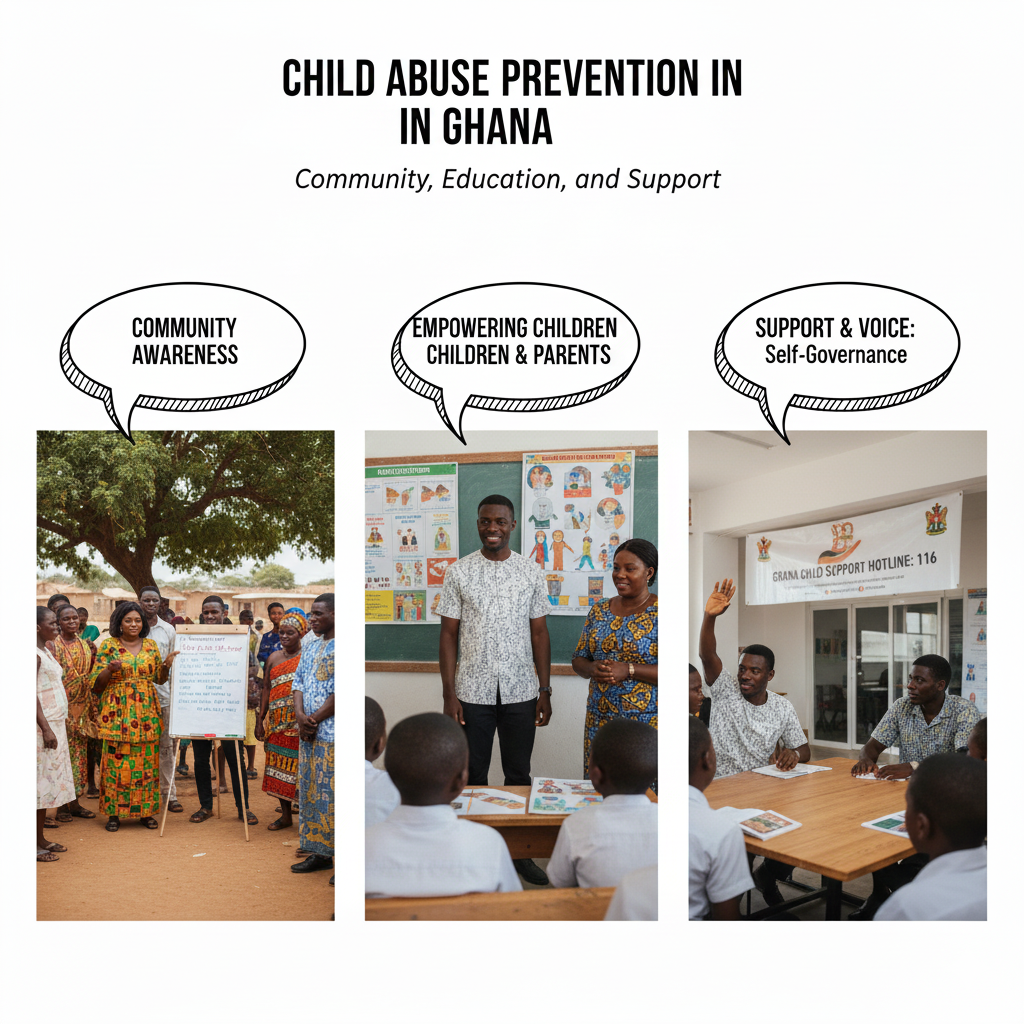
One of the most effective ways to prevent child abuse is to equip parents with practical parenting skills. The state, through the Ministry of Gender, Children and Social Protection, should expand parenting education programs that teach nonviolent discipline, child development stages, and emotional regulation. These programs can be integrated into antenatal clinics, postnatal care, schools, and community health outreach.
At the community level, parenting support groups—led by trained social workers, nurses, or respected elders—can provide safe spaces for parents to learn, share frustrations, and receive guidance before stress turns into violence.
2. Address Parental Stress and Economic Pressure
Stress is a major driver of abusive behavior. Policies that reduce poverty, unemployment, and housing insecurity indirectly protect children. Introducing new or expanding current social protection programs can help struggling families meet basic needs without resorting to frustration-driven violence.
Community-based mental health services should also be strengthened. Parents experiencing emotional distress, depression, or substance abuse need accessible counseling and psychosocial support, not stigma or silence.
3. Tackle Alcohol and Substance Abuse
The link between substance use and child abuse requires urgent attention. Government agencies must enforce existing laws regulating alcohol sales, particularly in residential areas. At the same time, communities can support rehabilitation and addiction support programs, especially for fathers and young parents.
Faith-based organizations, which already play a major role in Ghanaian life, can shift from moral condemnation to rehabilitative support, helping parents regain self-control and responsibility.
4. Reinterpret Religious Teachings on Discipline
Religious leaders wield enormous influence in Ghana. Churches and mosques should be encouraged to reinterpret religious texts in ways that emphasize care, guidance, and protection rather than physical punishment. Clergy training programs can include child rights education and modern understandings of discipline.
Public campaigns can also clarify that violence against children is not divinely sanctioned and that love, patience, and instruction are more effective tools of moral formation.
5. Public Education on Child Health and Development
Misunderstandings about bedwetting, delayed walking, and speech development cause unnecessary suffering. Nationwide public education campaigns—using radio, television, and local languages—can explain that conditions such as nocturnal enuresis and developmental delays are medical or developmental issues, not acts of defiance.
Health workers should be trained to proactively educate parents during clinic visits, reducing reliance on punishment as a response to normal childhood challenges.
6. Protect Children with Disabilities
Children with disabilities require special protection. Policies must enforce inclusive education, disability awareness, and caregiver support, reducing stigma and isolation. Families raising children with disabilities should receive targeted assistance, including respite care, counseling, and financial support.
Community leaders and traditional authorities can help shift attitudes by publicly affirming the dignity and worth of children with disabilities.
7. Strengthen Child Protection Institutions and Reporting
Laws alone are insufficient without enforcement. Ghana must strengthen the capacity of Department of Social Welfare officers, Domestic Violence and Victim Support Units (DOVVSU), and community child protection committees to respond swiftly to abuse reports.
Communities should be encouraged to see child protection as a collective responsibility, not private family business. Anonymous reporting systems and community watchdog groups can help break the culture of silence.
Conclusion
Child abuse in Ghana is not inevitable. It thrives where stress goes unmanaged, ignorance persists, and harmful beliefs remain unchallenged. By combining sound public policy with community engagement, education, and compassion, Ghana can move toward a society where children are disciplined without violence, corrected without cruelty, and raised with dignity and care.
Protecting children is not only a moral obligation—it is an investment in the nation’s future.