





Children and the Future of the Nation
Children are the future of every society. When a nation fails to nurture and guide its children properly, it mortgages its own future. Ghana today faces a troubling situation: unless deliberate efforts are made to mould children into disciplined, responsible, and law-abiding citizens, the consequences will be felt for generations to come.
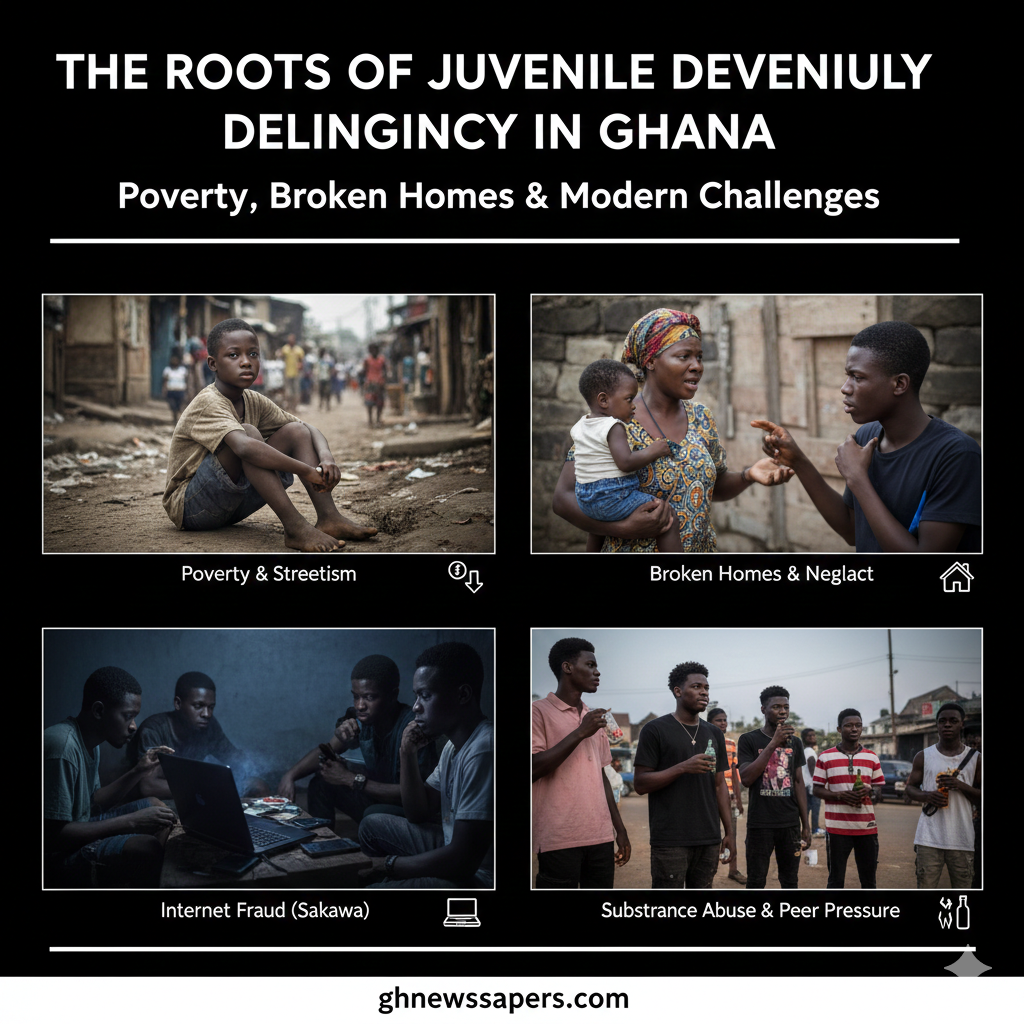
There is growing concern about the increasing number of children engaging in deviant behaviour. Some skip school regularly, display open disrespect toward parents, guardians, and other adults, consume alcohol, smoke cigarettes, abuse illicit drugs, engage in early sexual activity, and participate in acts such as stealing, robbery, and burglary. These behaviours not only endanger the lives of the children themselves but also undermine social order and public safety.
Understanding Juvenile Delinquency
A child is generally described as delinquent when his or her behaviour violates the laws of the land or accepted social norms. Several factors contribute to juvenile delinquency in Ghana.
Parental Neglect and Material Deprivation
One major cause is parental neglect. When parents fail to provide basic necessities such as food, clothing, shelter, and emotional support, some children resort to deviant or criminal behaviour as a means of survival.
Parental Deviance and Negative Role Modelling
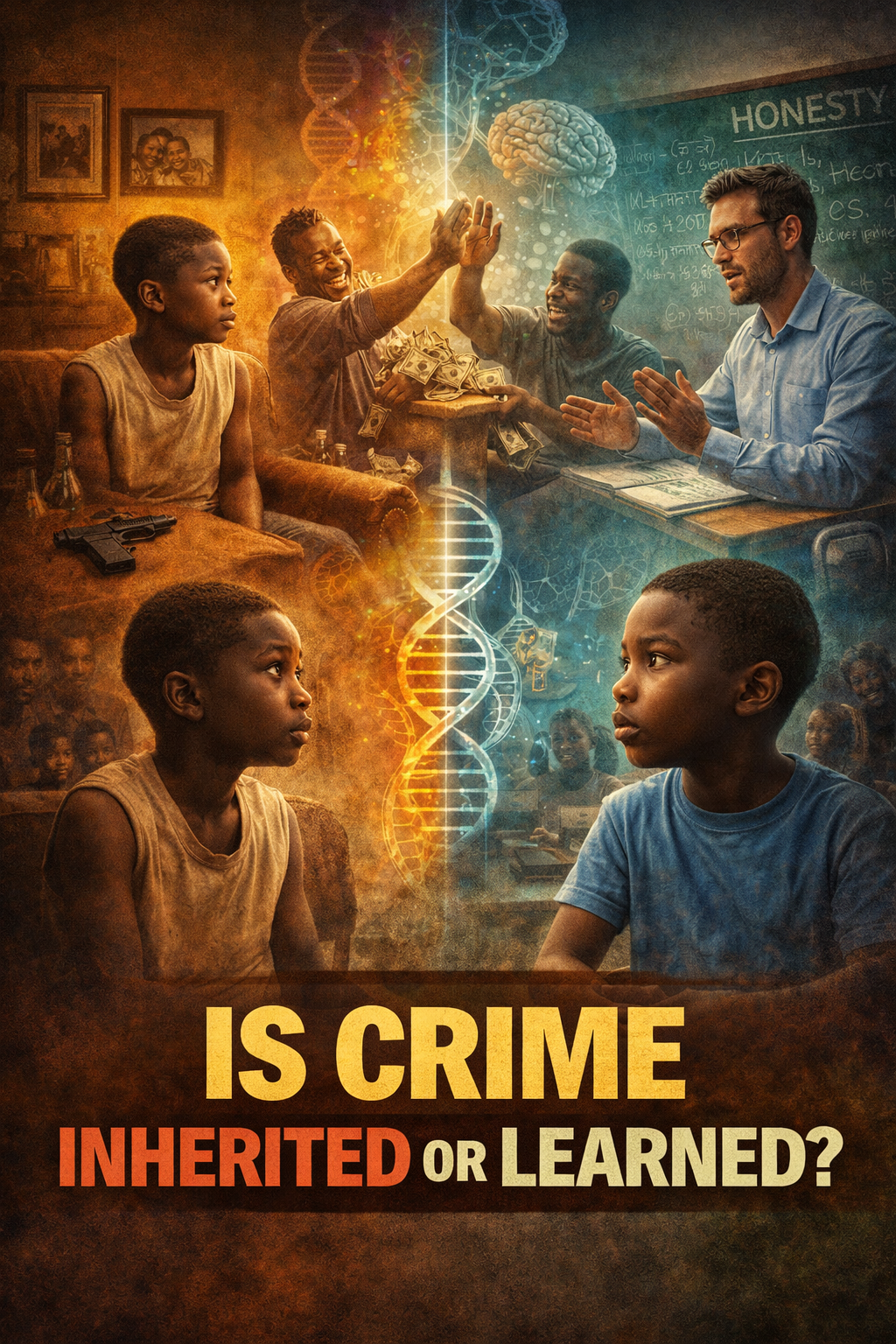
Closely related to this is parental deviance. Children often learn by observing adults, and when parents engage in criminal or socially unacceptable behaviour, their children may imitate such conduct, perceiving it as normal or acceptable.
Corporal Punishment and the Normalization of Violence
Another contributing factor is corporal punishment. Research consistently shows that harsh physical punishment can promote aggression and violence in children, rather than discipline. Children who are frequently beaten may internalize violence as a legitimate way to resolve conflicts or assert authority.
Media Violence and Behavioral Imitation
Exposure to media violence also plays a significant role. Children who regularly watch violent television programmes, movies, or online content may imitate what they see, especially when such behaviour appears to be rewarded or glorified.
Peer Pressure and Social Influence
Similarly, peer pressure exerts a powerful influence. Association with delinquent peers can encourage children to adopt negative behaviours in order to gain acceptance or approval.
Availability of Drugs and Substance Abuse
The availability of drugs and illicit substances within communities further compounds the problem. When alcohol, narcotics, and other substances are easily accessible, children are more likely to experiment with and abuse them.
Inadequate Supervision and Lack of Guidance
This situation is often worsened by inadequate supervision. Children who are left alone for long periods without proper adult guidance are more vulnerable to engaging in risky or harmful activities.
Boredom and Lack of Constructive Engagement
Boredom is another overlooked factor. When children lack constructive activities—such as sports, vocational training, or educational programmes—to occupy their time, they may turn to delinquent behaviour out of curiosity or frustration.
Exploitation of Children by Irresponsible Adults
Finally, the role of irresponsible adults cannot be ignored. Some adults deliberately involve children in criminal activities, recruiting them as accomplices or accessories because they believe minors are less likely to face severe punishment under the law. This exploitation of children for criminal gain is particularly damaging and must be confronted decisively.
A Collective Responsibility
Addressing juvenile delinquency in Ghana requires a collective effort involving parents, schools, religious institutions, community leaders, and the state. Preventive measures, rather than punitive responses alone, are essential if Ghana is to safeguard its children and secure a stable and prosperous future.