



In Ghana today, many parents encourage their children to speak English, sometimes at the expense of local languages. This trend is common not only in Ghana but also among Ghanaian families living abroad. While parents may believe that prioritizing English will make their children academically brighter, this approach often has unintended consequences for cultural identity and self-esteem.
The Cost of Losing Your Language
Children who grow up without fluency in a Ghanaian language may struggle to communicate with relatives, participate fully in community events, or understand the cultural nuances of their heritage. Some feel alienated, frustrated, or even angry at their parents for restricting their access to their own language. Over time, families may produce children who are foreigners in their own country—unable to speak the language of their ancestors or connect with the wider society.
The Benefits of Bilingualism
Research shows that children who learn both their mother tongue and a global language like English benefit cognitively, socially, and emotionally. Bilingual children often:
- Develop stronger problem-solving and critical thinking skills.
- Display better memory and attention control.
- Have higher cultural awareness and empathy, understanding multiple perspectives.
- Retain a sense of identity and belonging, connecting with family, community, and heritage.
In short, bilingualism strengthens the mind while preserving cultural roots.
Cultural Pride Through Language
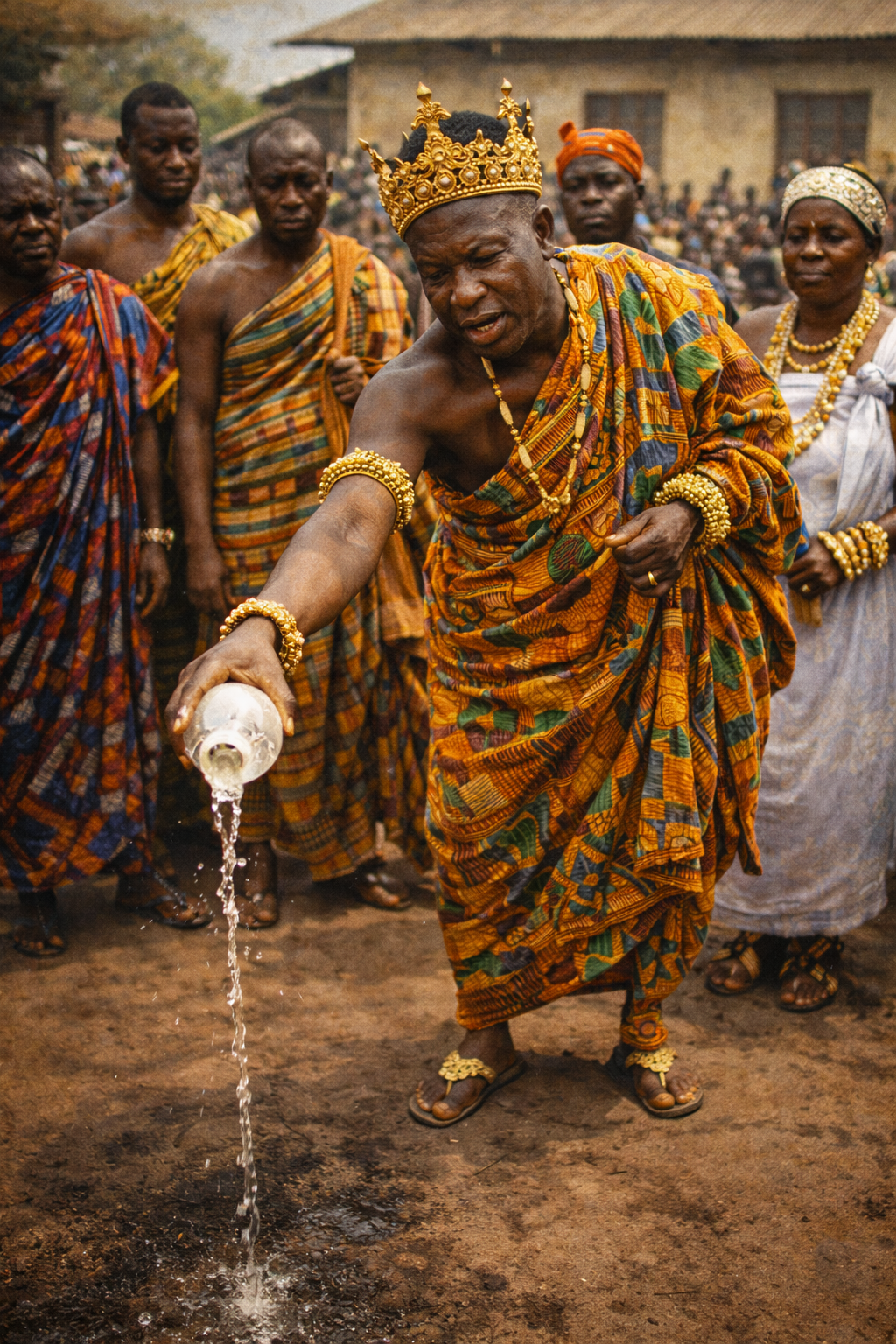
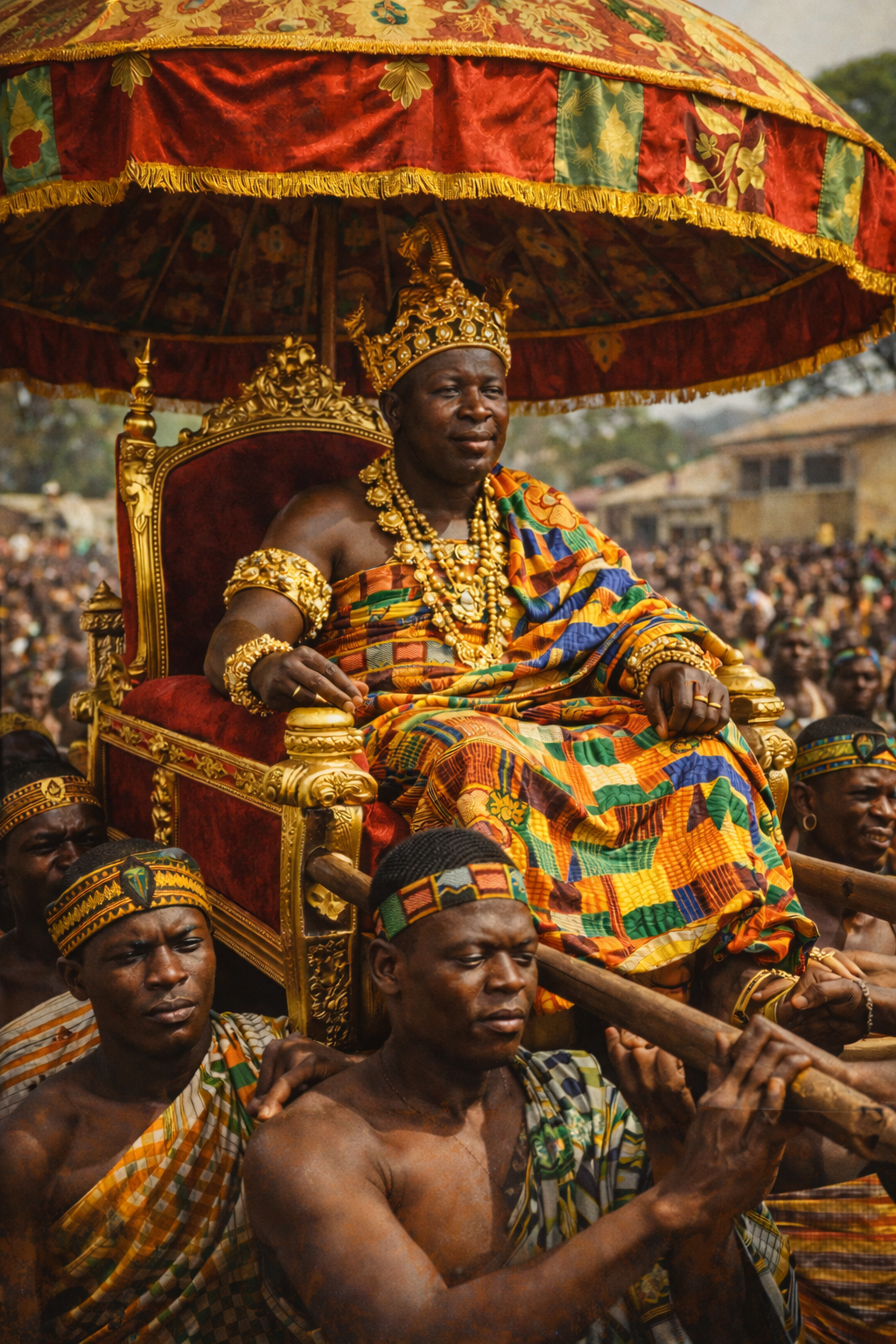
Language is more than a communication tool—it is a vessel for culture. In Ghana, local languages carry stories, proverbs, songs, and rituals passed down through generations. When children learn these languages, they gain access to rich traditions such as:
- The telling of Ananse stories in Akan, which teach morals and social values.
- Participation in traditional festivals and ceremonies where greetings and songs are in the local tongue.
- Understanding folk songs, chants, and proverbs, which carry wisdom and history.
Children who speak their local language are not just learning words—they are inheriting a living connection to Ghana’s cultural heritage.
Practical Advice for Parents
For parents raising children in Ghana or overseas:
- Encourage daily use of the local language at home, in conversation, and during family gatherings.
- Model the language yourself—parents who speak their mother tongue naturally encourage children to do the same.
- Balance English and local languages—promote English for school and international communication while ensuring cultural language is learned and valued.
- Integrate cultural experiences—use songs, stories, and visits to relatives to immerse children in the language.
- Use technology wisely—apps, online lessons, and local media can help children maintain language fluency, especially for those abroad.
A Call to Action
Parents, educators, and communities must recognize that language is at the heart of identity. By supporting children to speak both English and their local Ghanaian languages, we equip them with global skills and a strong sense of belonging.
Every conversation in Twi, Ewe, Ga, Dagbani, or any other Ghanaian language is an opportunity to pass on heritage, strengthen family bonds, and build confidence in children. Celebrate your language, teach it to your children, and show them that being fluent in their mother tongue is a source of pride—not shame.
By valuing local languages today, we ensure that future generations remain deeply connected to Ghanaian culture, no matter where they live in the world. Language is identity. Language is heritage. Language is pride.