





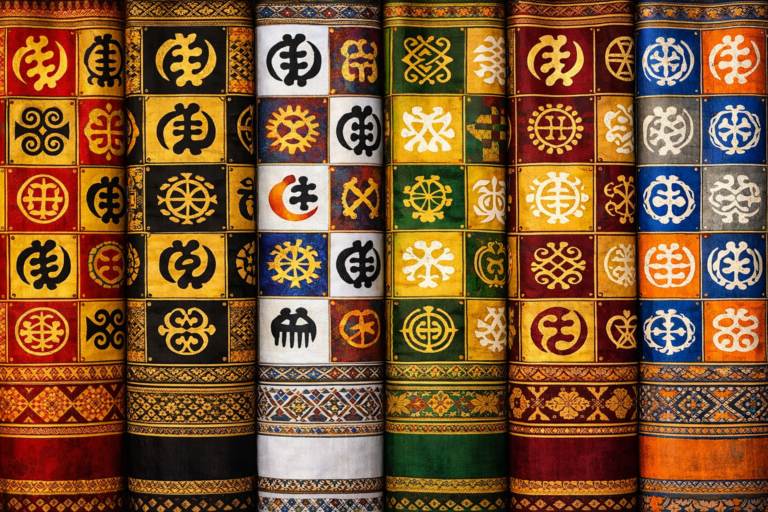

In Ghana, boys are socialized from an early age into the belief that boys do not cry. Among the Akan, any attempt by a boy to cry is frequently met with the admonition “gyae, barima nsu”—literally, “stop, boys do not cry.” This injunction reflects a broader cultural script that equates emotional restraint with masculinity.
From childhood through adolescence and into old age, boys and men are repeatedly discouraged from crying, weeping, wailing, or lamenting. A boy who violates this expectation is often labeled weak, effeminate, or unmasculine. Emotional control thus becomes a core marker of proper male identity.
This norm is reinforced across multiple life events. Boys are told not to cry when they suffer physical injury, when they lose a relative, when they fail an examination, or when they experience romantic or marital breakdown. Even in leisure and competitive contexts—such as losing a soccer match, whether as a player or supporter—crying is stigmatized. In extreme cases, men who experience physical abuse from a spouse or girlfriend are expected neither to complain nor to express emotional distress. Silence and endurance are culturally valorized.
Gendered Expectations of Emotional Expression
Women, by contrast, are culturally permitted—and often expected—to express emotion openly through crying. In some cases, girls learn to cry demonstratively so that they can mourn adequately, and even convincingly, at the death of a relative. In Ghana, professional mourners (moirologists) are exclusively women, further reinforcing the association between femininity and emotional expressiveness.
Conversely, a woman who does not weep easily may attract suspicion. Among the Akan, it is sometimes said, “n’ani ase yɛ den, gyamã ɔyɛ bayifoɔ/anyen”—“she does not cry easily; she must be a witch.” A woman who fails to cry at the death of a relative may even be accused of having caused the death through witchcraft. In response to these expectations, some women reportedly apply mentholated ointments or other substances to their eyes to induce tears or to create the appearance of crying during funerary rites.
Sociological Implications
This rigid gender dichotomy—men being prohibited from crying and women being expected to cry—has significant sociological consequences. Men are socialized to internalize pain and suffering, yet they are denied culturally legitimate avenues for expressing grief, vulnerability, and emotional distress. Emotional repression becomes normalized as a masculine virtue.
The cumulative effect is that emotional pain often remains unarticulated and unresolved. One observable outcome of this dynamic is the disproportionately high rate of suicide among men in Ghana, where male suicide rates are estimated to be 10 to 20 times higher than those of women and girls. From a sociological perspective, this disparity underscores the lethal consequences of gendered emotional norms that stigmatize male vulnerability while valorizing emotional silence.