

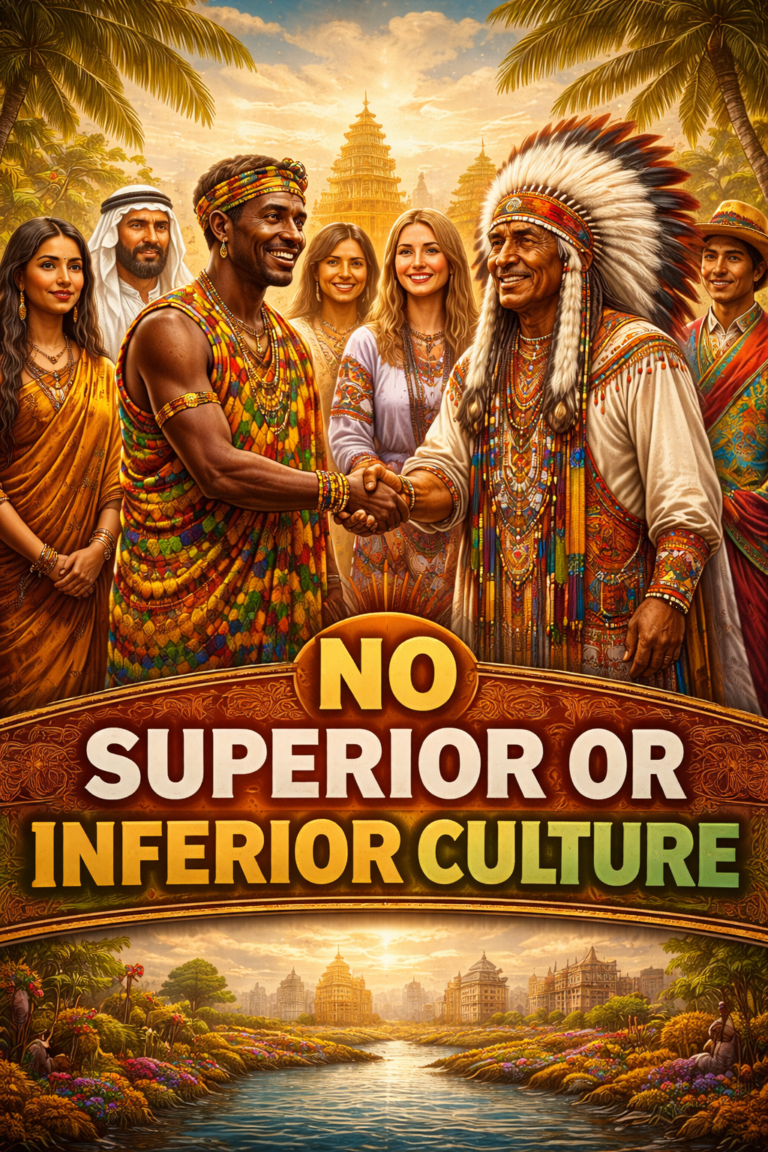




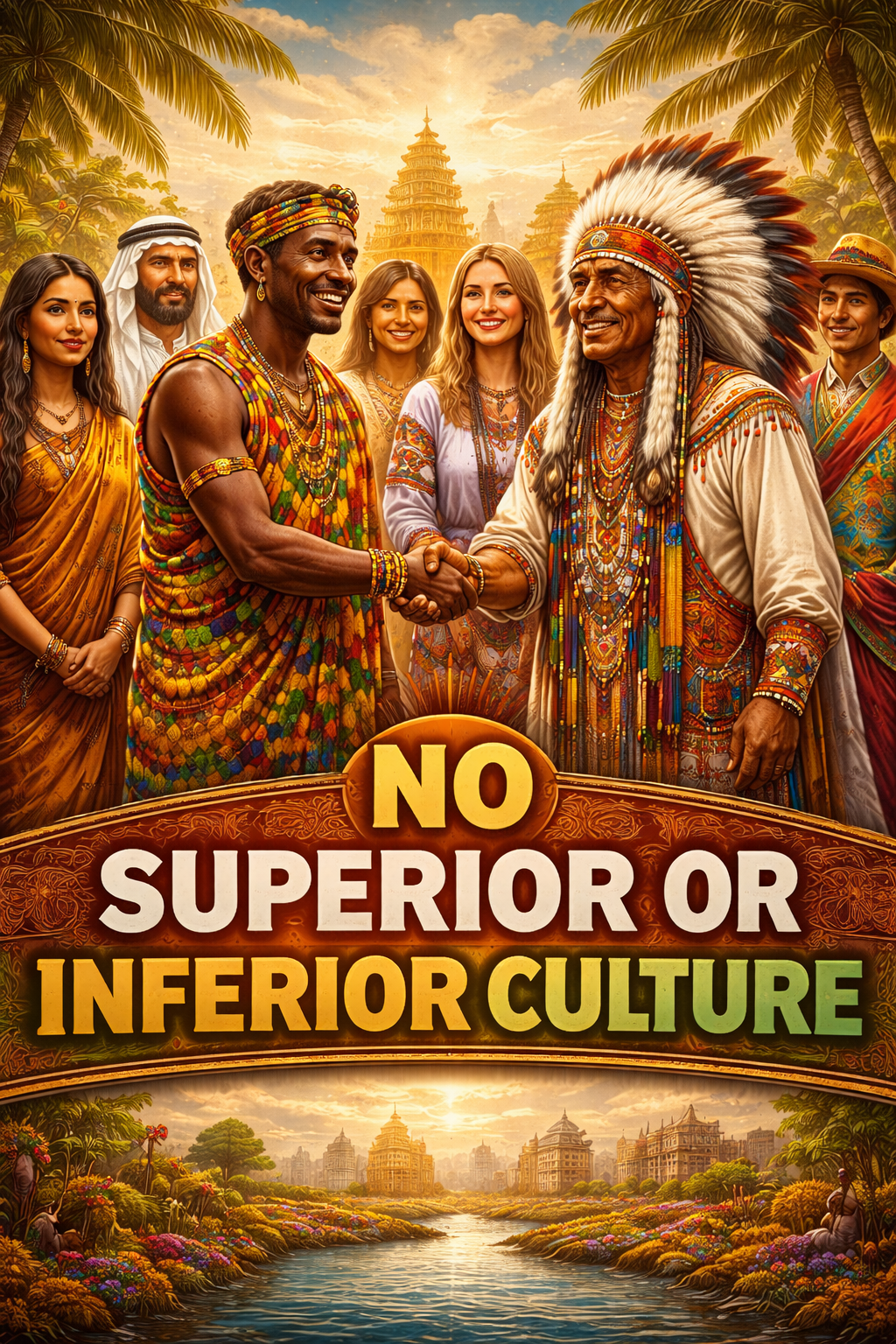
Let’s be clear from the outset: no culture is superior to another, and no culture is inferior. This should not be a controversial statement in the 21st century—yet, in practice, it still is.
Culture remains one of the most misunderstood concepts in public discourse. When people misunderstand culture, they don’t just get definitions wrong—they get people wrong. And when people get people wrong, the consequences can range from subtle prejudice to outright violence.
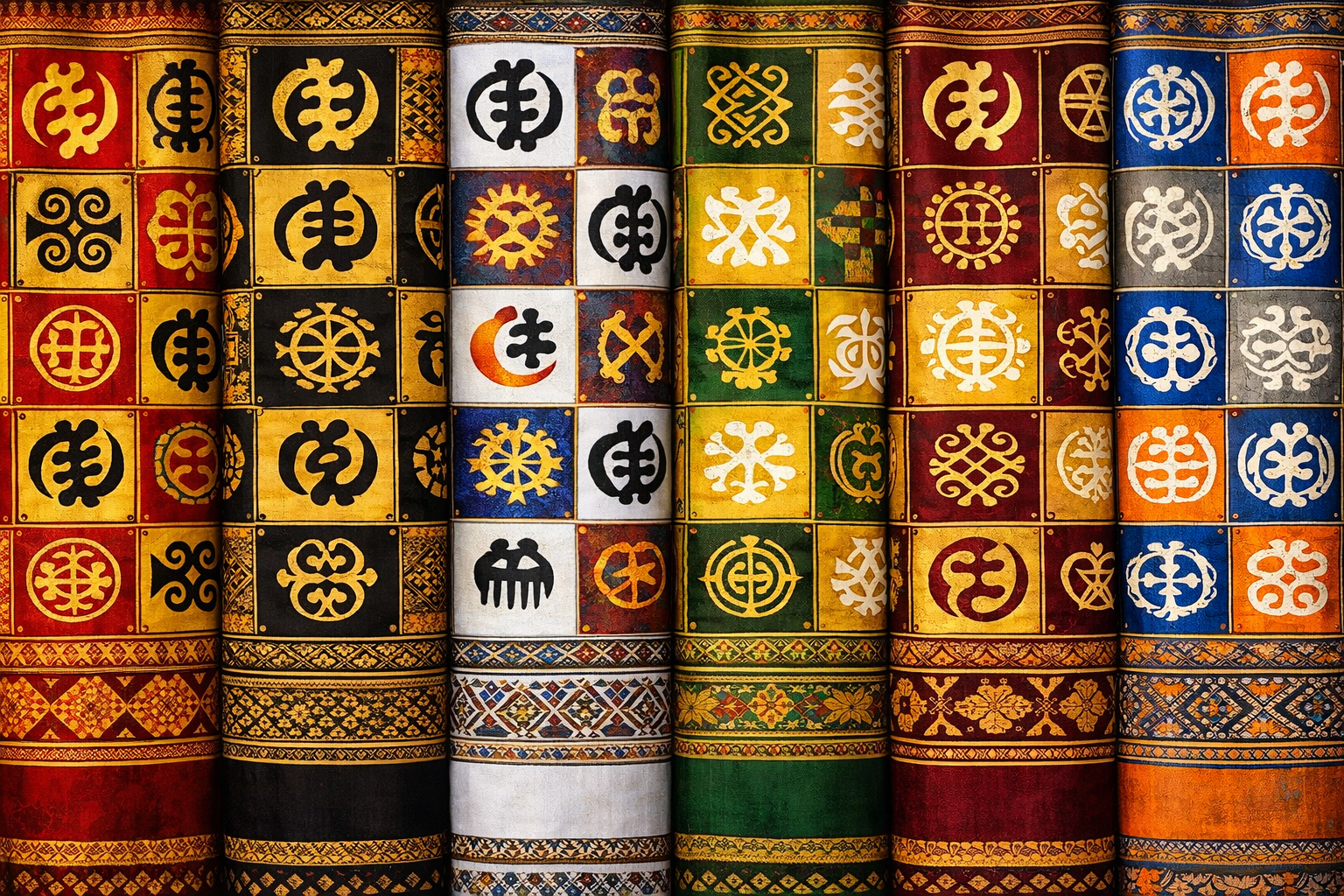
Culture, at its simplest, is a way of life. It is how a people eat, speak, dress, celebrate, mourn, and make meaning of the world around them. It includes both material culture—the visible aspects such as food, clothing, art, and technology—and non-material culture—the invisible but equally powerful elements like values, beliefs, norms, and traditions.
Every human being is shaped by culture. Yet many fail to recognize a basic truth: difference does not equal deficiency.
Around the world, cultural practices vary widely. Some communities eat with their hands; others use utensils. Some prioritize individual achievement; others emphasize collective responsibility. Some greet with a handshake; others bow or embrace. None of these practices is inherently better than the other—they are simply different responses to different historical, social, and environmental conditions.
And here’s another truth we often ignore: no culture is “pure.”
Every society on earth has borrowed from others. What we eat, what we wear, the languages we speak, the technologies we rely on—these are all products of centuries of exchange. Sociologists call this cultural diffusion, but in everyday terms, it simply means that human beings learn from one another. The idea that any culture stands alone, untouched and superior, is not just wrong—it is historically indefensible.
So why does the myth of cultural superiority persist?
The answer lies largely in ethnocentrism—the tendency to use one’s own culture as the standard by which all others are judged. It is an easy trap to fall into. What is familiar feels “right,” and what is unfamiliar feels “wrong.” But mistaking familiarity for superiority is where the danger begins.
Ethnocentrism is not harmless. It fuels stereotypes, justifies discrimination, and has historically been used to rationalize colonization, oppression, and even war. When people believe their way of life is the only “correct” one, they often feel entitled to impose it on others. We have seen this play out across history—and we continue to see its echoes today.
But there is another, less discussed problem: xenocentrism.
This is the opposite error—the belief that one’s own culture is inferior and that other cultures are inherently better. While it may appear more open-minded on the surface, xenocentrism can be just as damaging. It leads to the erosion of cultural identity and fosters a sense of inadequacy among people who begin to see their own traditions as backward or unworthy.
Neither extreme serves us well.
We cannot build a just and peaceful world if we are constantly ranking cultures—placing some above others or beneath them. Culture is not a competition. It is a reflection of human diversity.
What we need instead is cultural literacy—the ability to understand, respect, and engage with cultural differences without rushing to judge them. This does not mean blindly accepting every practice, nor does it mean abandoning critical thinking. It means recognizing that practices must be understood within their own context before they are evaluated.
Most importantly, it means humility.
We must be willing to admit that our way is not the only way. That what works in one society may not work in another. That other cultures have insights, wisdom, and values that can enrich our own lives—just as ours can contribute to theirs.
If we are serious about reducing conflict, prejudice, and division in our world, then we must start with how we think about culture. We must challenge the casual assumptions, the inherited biases, and the unexamined beliefs that tell us some people’s ways of life are more valid than others.
Because they are not.
There is no superior culture. There is no inferior culture. There are only different ways of being human—and each one deserves to be understood on its own terms.