



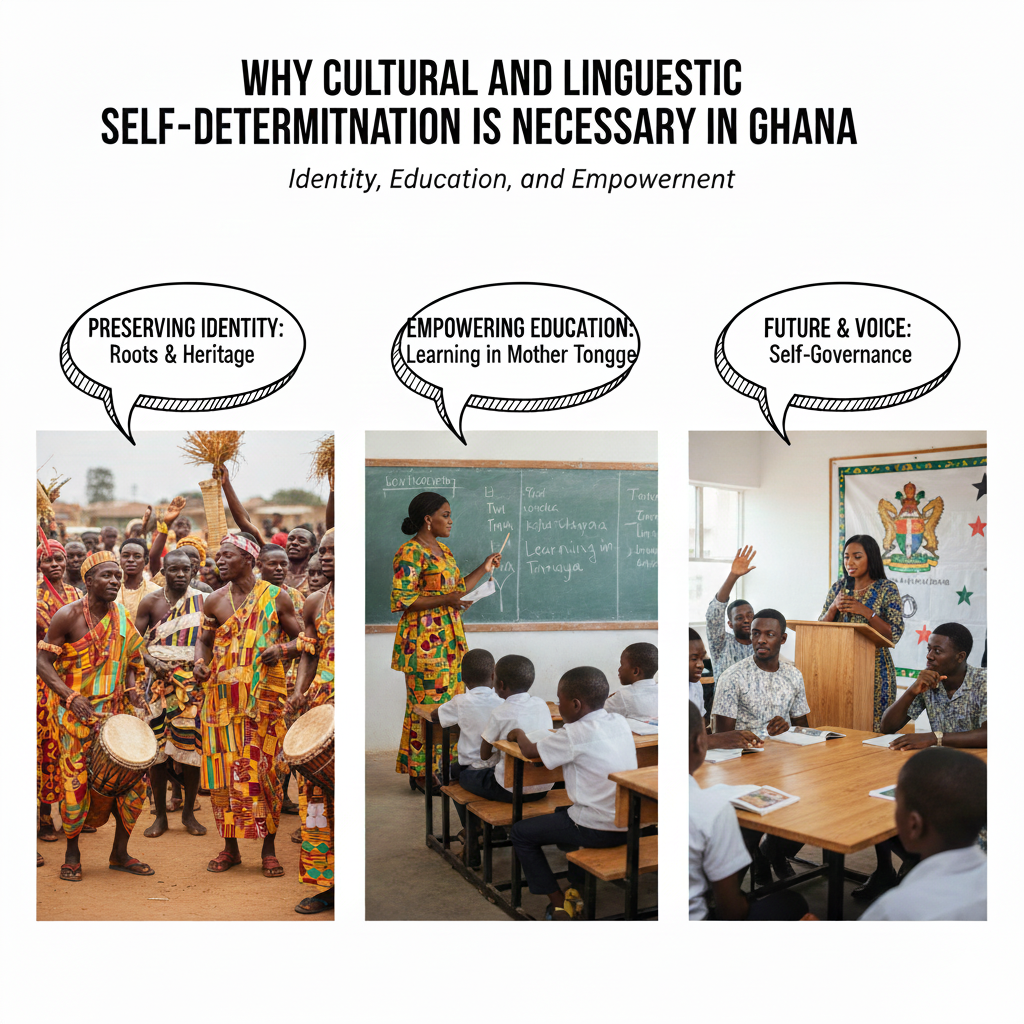
For a long time, Ghanaians have embraced foreign ways and ideas that have not served them well and, in many cases, have undermined national development. For this reason, some Ghanaians are increasingly calling for cultural and linguistic self-determination as a necessary step if the nation is to move forward with confidence and purpose.
They question why the Parliament of Ghana continues to conduct its business in English rather than in local languages, when a significant segment of parliamentarians and the wider Ghanaian population cannot express ideas clearly, debate issues effectively, or make meaningful recommendations in that language. Isn’t it time, they ask, to jettison English in favor of a local language—or better still, to embrace all Ghanaian languages? They argue that the solution is neither radical nor impractical, since interpreters can easily bridge linguistic gaps.
Some members of the group also recounted being compelled to study the German language for three years in secondary school. They described this experience as an utter waste of time, noting that in their forty-plus years since leaving school, they have never had any practical use for the language. They contend that their lives would have been far more positively impacted had those three years been devoted to studying one or more Ghanaian languages instead.
This group also asks why some Ghanaians fly foreign flags on Ghanaian soil. Evidence of this practice, they note, is everywhere—on motor vehicles, signposts, and in public spaces. Where else does this occur? They argue that allegiance to multiple sovereign nations does little to foster national pride, unity, or a sense of collective accomplishment.
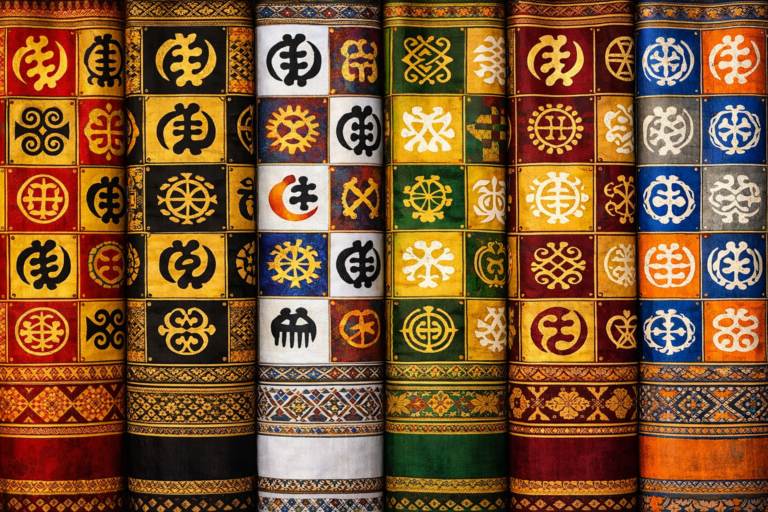
They further question why Ghanaians continue to quote so-called “wise sayings” from foreigners when the country’s own culture is overflowing with wisdom. Ghana possesses a rich tradition of proverb compendia that have guided generations. For every English proverb, they argue, there are twenty or more local proverbs that convey insight, wit, and practical wisdom far more effectively than anything imported.
According to them, it is time for Ghanaians to reclaim their language, culture, and intellectual heritage. Parliament, public spaces, and the national consciousness, they argue, should reflect Ghana’s own history, values, and identity—not a borrowed colonial mindset. Embracing Ghanaian languages and cultural wisdom is not nostalgia; it is the foundation of national pride, effective governance, and genuine self-determination.