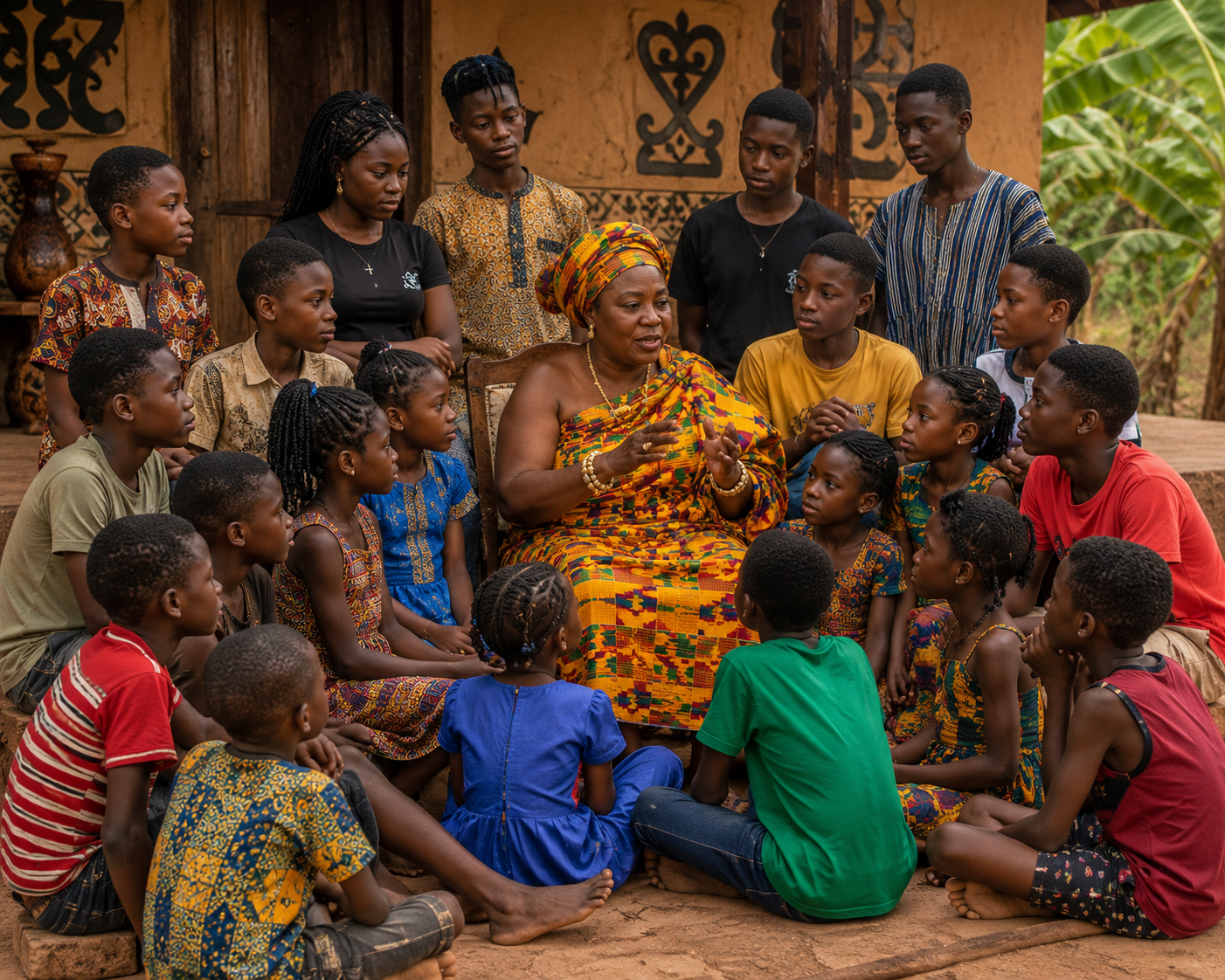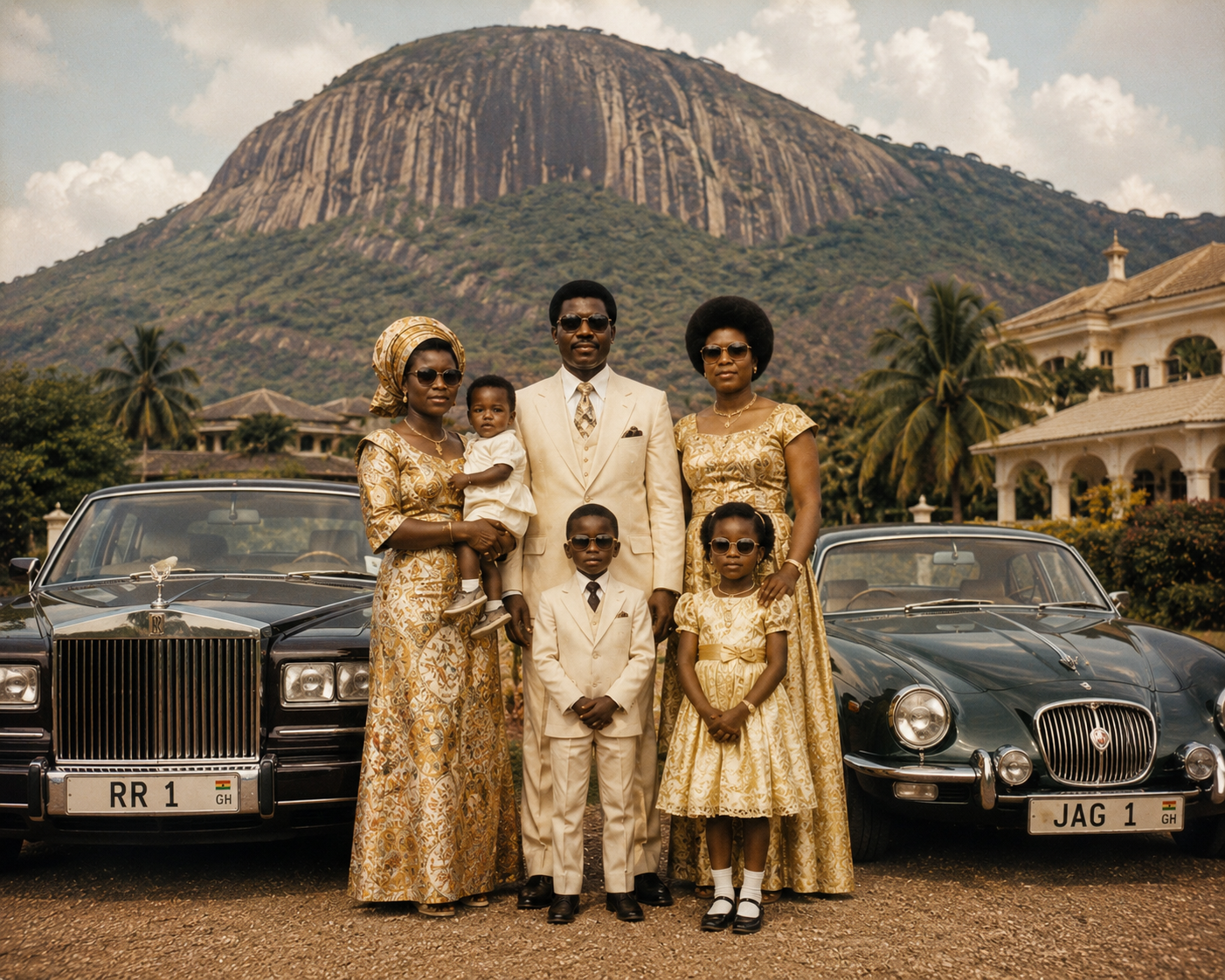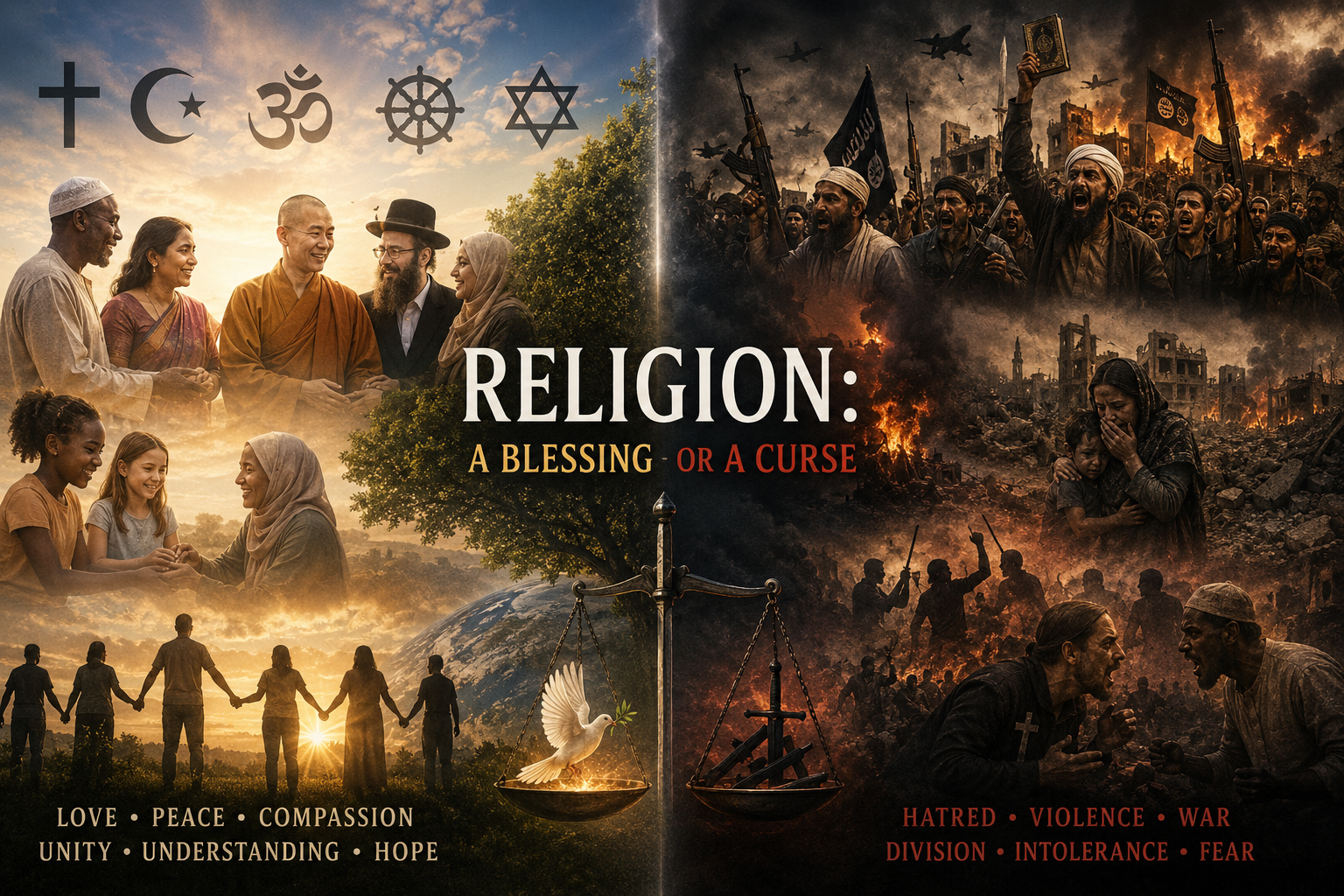










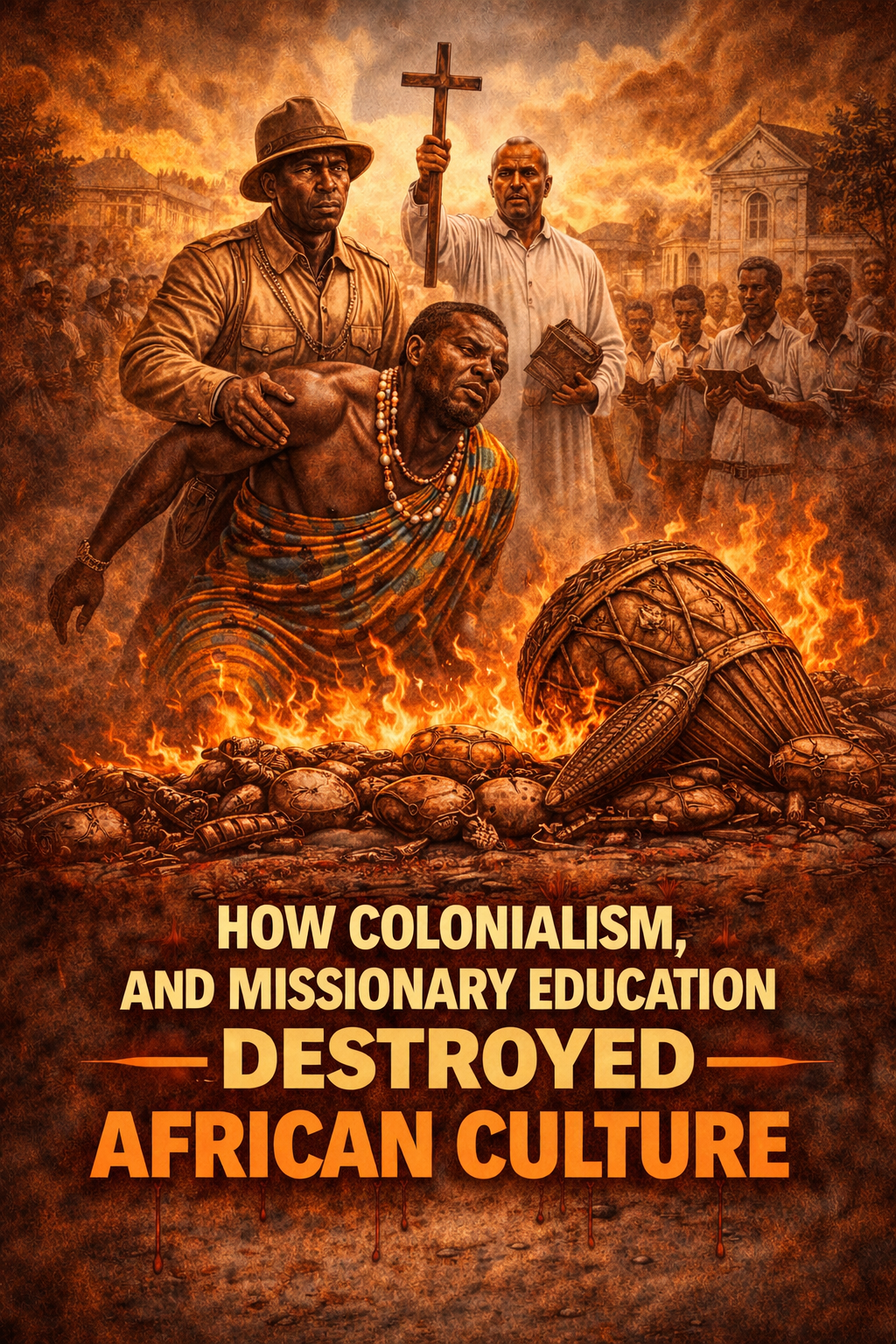
With colonialism came missionaries who sought to convert Africans to Christianity and, in the process, reshape African ways of life. This encounter was not culturally neutral. It involved a systematic attempt—sometimes subtle, often overt—to redefine African identity, values, and social institutions. While missionary education brought literacy and formal schooling, it also carried profound cultural consequences that continue to reverberate across generations.
The Erasure of Indigenous Names
One of the most visible transformations occurred in naming practices. Missionaries encouraged, and in many cases required, African converts to abandon their indigenous names and adopt biblical or European ones as a sign of Christian identity. Names that once reflected lineage, circumstance of birth, spirituality, and cultural philosophy were replaced with foreign alternatives such as Wilberforce, Johnson, Janet, or Janice. This shift was not merely cosmetic; it represented a deeper cultural displacement, severing individuals from the symbolic meanings embedded in African naming traditions and weakening ties to ancestry and heritage.
The Disruption of Polygynous Marriages
Christian doctrine also intervened directly in African family structures. In societies where polygyny was socially legitimate and economically functional, missionaries imposed monogamy as the only acceptable marital form. Men who had multiple wives were often compelled to divorce all but one if they wished to participate fully in church life, particularly in receiving Holy Communion. This demand fractured families, displaced women, and undermined long-standing marital systems that had governed social relations, inheritance, and community stability.
The Suppression of Libation and Ancestral Veneration
Libation, a central feature of many African spiritual systems, was condemned by missionaries as incompatible with Christianity. The ritual of pouring drink to honor and communicate with ancestors was labeled “pagan” or “idolatrous,” despite its deep cultural and philosophical significance. For many Africans, ancestors are not distant figures but active members of the moral community. The discouragement of libation therefore represented an assault on indigenous cosmologies. Yet, resistance persists, as some African Christians continue to reconcile their faith with ancestral reverence.
The Replacement of Indigenous Time Systems
Missionary influence extended even to how Africans understood and organized time. Indigenous calendars, which were closely tied to agricultural cycles, festivals, and cosmological beliefs, were gradually abandoned in favor of European systems of reckoning. This shift altered not only the measurement of time but also the rhythm of life itself, disconnecting communities from temporal frameworks that had long structured social, economic, and spiritual activities.
The Silencing of Indigenous Music and Dance
African expressive culture did not escape missionary scrutiny. Many traditional songs and dances were prohibited on the grounds that they were immoral, indecent, or incompatible with Christian values. These performances, however, were not mere entertainment; they were vital forms of storytelling, historical preservation, and communal identity. Their suppression contributed to the erosion of cultural memory and diminished the role of performance as a medium of social cohesion and spiritual expression.
The Imposition of Foreign Eating Practices
Even everyday practices such as eating were subject to change. Africans were encouraged to abandon eating with their hands—a method deeply embedded in cultural norms—and adopt Western utensils such as forks, knives, and spoons. This shift was often presented as a marker of “civilization” and refinement, implicitly devaluing indigenous practices. Yet, many African cuisines are inherently suited to tactile consumption, making the imposed change both impractical and culturally dissonant.
The Marginalization of Indigenous Languages
Perhaps one of the most enduring consequences of missionary education is the marginalization of African languages. Schools established by missionaries prioritized European languages such as English, French, and Portuguese, often at the expense of local tongues. Over time, this created generations of Africans who are more fluent in colonial languages than in their own mother tongues. Language is not merely a tool of communication; it carries culture, worldview, and identity. Its erosion therefore represents a profound cultural loss.
The Displacement of Indigenous Political Systems
African systems of governance were also profoundly affected. Precolonial political institutions, which varied widely but were often rooted in consensus, kinship, and traditional authority, were sidelined or dismantled. In their place, Western-style democratic systems were introduced, frequently without regard for local contexts. This imposed political transformation disrupted established mechanisms of leadership and accountability, leaving a legacy of tension between traditional authority and modern state structures.
The Reconfiguration of Beauty Standards
Missionary and colonial influence also reshaped perceptions of beauty. European physical features and aesthetics were elevated as ideals, while African features were subtly—or explicitly—devalued. Over time, this contributed to internalized notions that equated whiteness with beauty and blackness with inferiority. The consequences of this transformation are still evident today in practices such as skin bleaching and the global privileging of Eurocentric beauty standards.
The Transformation of Burial Practices
Even in death, African traditions were not left untouched. Whereas many communities traditionally buried their dead directly in the earth, emphasizing a return to nature and ancestral continuity, missionary influence introduced new burial practices involving coffins, vaults, and tiled graves. These practices, often seen as markers of dignity and modernity, reflect foreign conceptions of death and remembrance. In adopting them, many African societies have moved away from indigenous mortuary traditions that once carried deep spiritual and cultural meaning.
Conclusion
The encounter between Africa and missionary Christianity was transformative, but not without cost. While it brought certain forms of education and global connection, it also initiated a systematic reordering of African cultural life. The result is a complex legacy in which elements of indigenous identity have been suppressed, altered, or reinterpreted. Today, efforts to reclaim African culture must grapple with this history, recognizing both the depth of what was lost and the resilience of what endures.